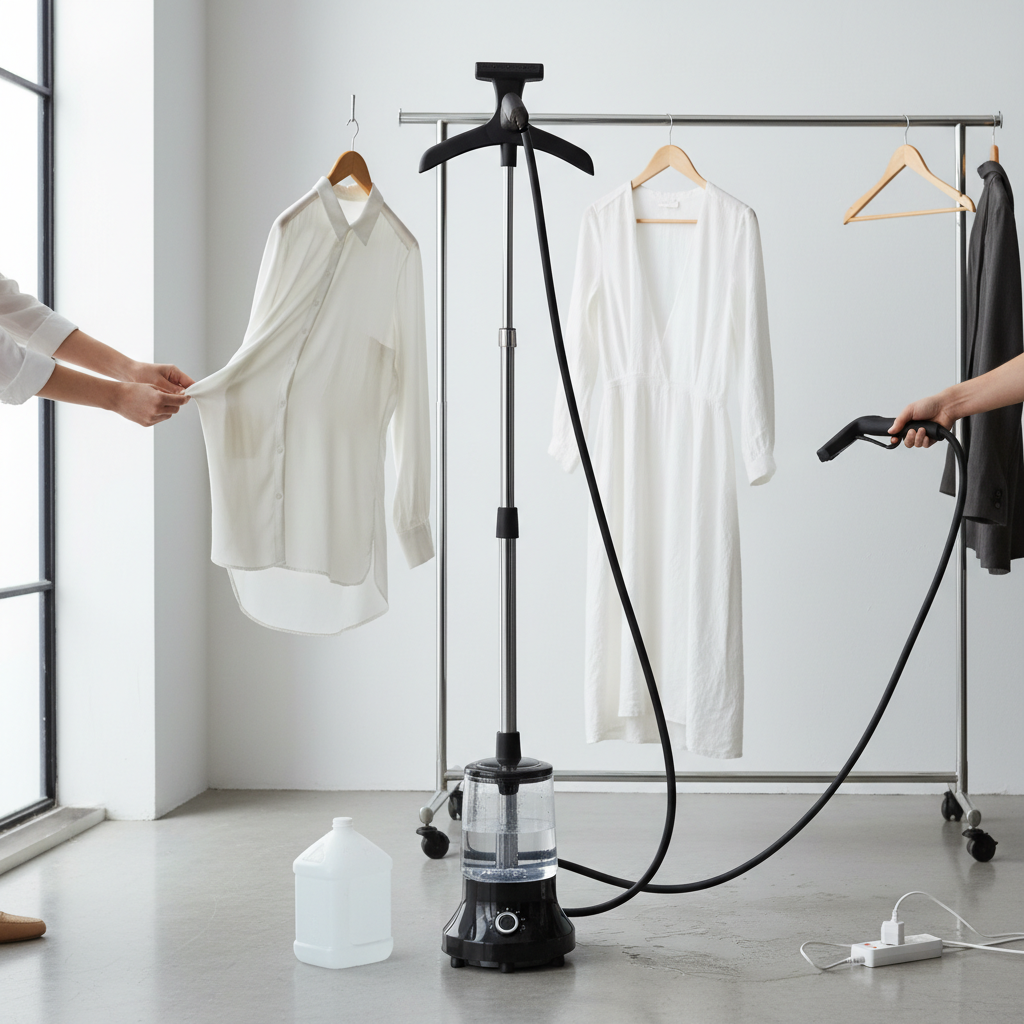
In the quest for perfectly smooth, wrinkle-free clothes, garment steamers have become an indispensable tool for many households. Offering a gentler alternative to traditional irons, these appliances swiftly refresh fabrics, making them ideal for delicate materials and quick touch-ups. However, a crucial decision often arises when selecting a garment steamer: should you opt for a model with a metal steam head or a plastic one? The material of this primary component significantly impacts performance, durability, and suitability for different garment types. Understanding these differences is key to finding the best steamer for your wardrobe and lifestyle.
Understanding Garment Steamers: A Quick Overview
A garment steamer works by heating water to produce a continuous flow of hot steam, which is then directed through a nozzle or head onto hanging clothes. This steam penetrates the fabric fibers, relaxing them and effortlessly smoothing out wrinkles without direct contact or the need for an ironing board. Unlike an iron, which relies on direct heat and pressure, a steamer is celebrated for its ability to handle delicate materials like silk, chiffon, and lace without the risk of scorching or damaging the fabric. They are also incredibly efficient for quick wrinkle removal and refreshing large, awkward items such as curtains or upholstery.
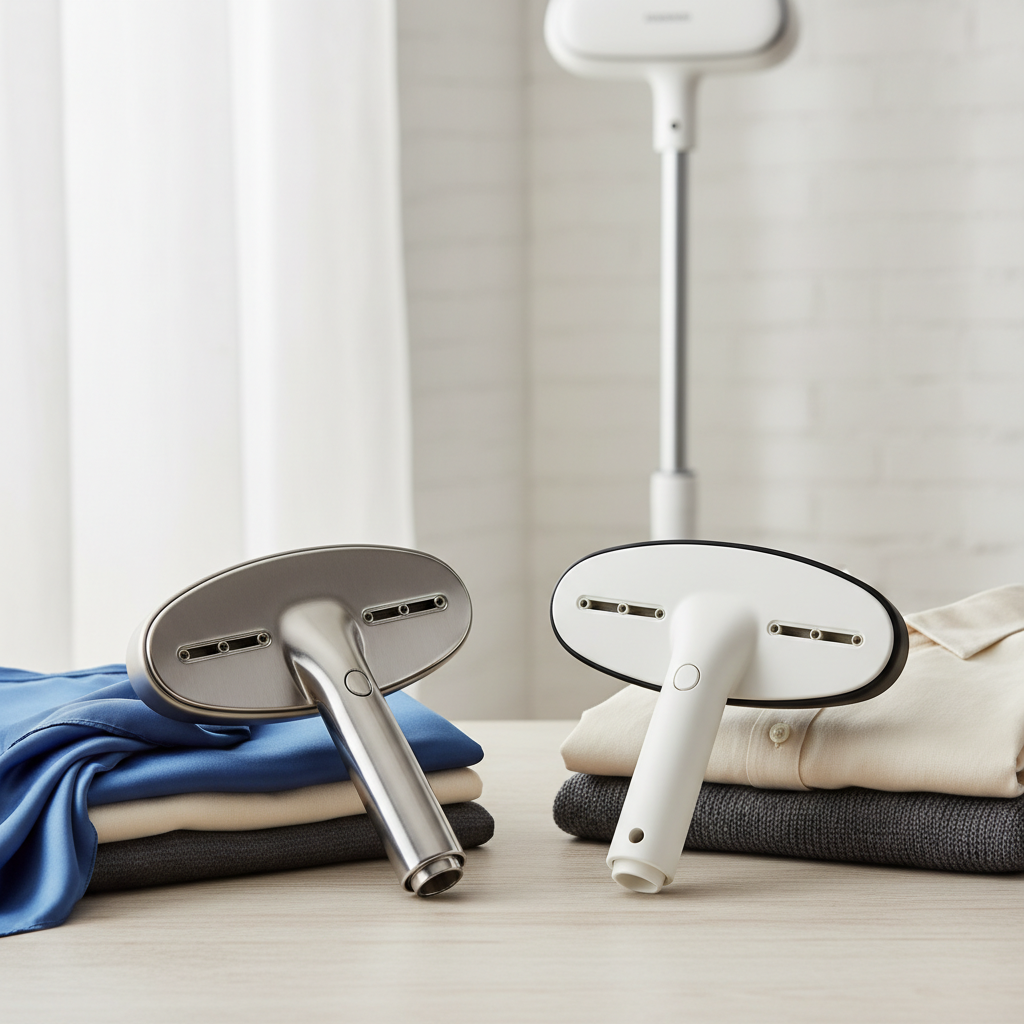
The Heart of the Matter: Metal Steam Heads
Metal steam heads are typically crafted from materials like stainless steel, chosen for their excellent heat conductivity and durability. These heads are often associated with commercial-grade or higher-end domestic steamers, promising robust performance and longevity.
Pros of Metal Steam Heads
- Superior Heat Retention: Metal heats up and stays hot longer, allowing for more consistent steam output and greater efficiency in wrinkle removal. This makes them particularly effective on heavier fabrics like denim, wool, or thick cotton.
- Enhanced Durability: Metal is inherently more resilient to impact and wear compared to plastic, contributing to a longer lifespan for the steam head. They are less prone to cracking or warping.
- Closer to an Iron’s Finish: Due to better heat retention, a metal steam head can offer a slightly “crisper” finish than plastic, especially when gently pressed against the fabric, mimicking some of the benefits of an iron without direct scorching.
- Professional Performance: Many professional-grade garment steamers feature metal heads, indicating their reliability and effectiveness in demanding environments.
|
Our Picks for the Best Standing garment steamer in 2026
As an Amazon Associate I earn from qualifying purchases.
|
||
| Num | Product | Action |
|---|---|---|
| 1 | Garment Steamer for Clothes Standing, 1500W Efficient Clothes Steamer Standing with Wheels, Professional 58OZ Water Tank for Continuous Steaming, Fast Heating Wrinkle Remover |

|
| 2 | SALAV Heavy Duty Commercial Full-Size Garment Steamer with Foot Pedals and Extra Large 3L (101.5 oz) Water Tank, 1800 watts of Poweful Steam (Navy) |
|
| 3 | SALAV Heavy Duty Commercial Full-Size Garment Steamer with Foot Pedals and Extra Large 3L (101.5 oz) Water Tank, 1800 watts, 90+min of Continuous Steam (White) |
|
| 4 | SALAV GS18-DJ Standing Garment Steamer with Roll Wheels for Easy Movement, 1.8L Water Tank for 1 Hour Continuous Steaming, Adjustable Pole for Storage, Includes Descaler Packet, 1500 watts |
|
| 5 | SALAV GS18 Full-Size Clothes Steamer - 1500W Power, 1.8L Water Tank, 60-Min Garment Steam, Iron Clothing, Adjustable Pole & Wheels for Easy Storage, Professional Standing Steamer for Clothes, White |
|
| 6 | Pure Enrichment PureSteam XL Standing Fabric Steamer - Professional Wrinkle Remover Heats in 45 Seconds; 1/2-Gallon Tank for 1 Hour of Steaming; Easy-Roll Wheels, Garment Hanger, & Fabric Brush |
|
| 7 | Upright Steamer for Clothes 1350W Turbo Boiler Standing Garment Steamer 1.6L Water Tank 1h Continuous Steam Flat&Hanging Ironing Double Retractable Rod 10 Modes 30s Fast Preheat for all Fabrics |
|
| 8 | Jiffy Steamer J-2000 Jiffy Garment Steamer with Plastic Steam Head, 120 Volt, Beige |
|
| 9 | True & Tidy Heavy Duty Commercial Full Size Standing Garment Steamer for Clothes with Extra Large 3L (101 oz) Water Tank for 90+ mins of Steam Time, 1800 watts of Powerful Steam, 3 Settings, Gray |
|
| 10 | SALAV® Heavy Duty Smart Auto Shut-off Commercial Full-Size Garment Steamer, Beeping Alert when Water Runs out, Foot Pedal Control, XL 3L (101.5 oz) Tank, 1800 watts, 90+min of Continuous Steam, Navy |
|
Cons of Metal Steam Heads
- Heavier Weight: The metallic construction makes these heads noticeably heavier, which can lead to user fatigue during prolonged steaming sessions, particularly for those with a large volume of clothes to de-wrinkle.
- Higher Risk of Damage: While durable overall, the intense heat of a metal head can pose a greater risk of scorching or damaging delicate fabrics if accidental direct contact occurs or if used incorrectly. Some models include wooden handles to mitigate heat transfer to the user, but metal screws can still get hot.
- Higher Cost: Steamers equipped with metal heads generally come at a higher price point due to the material cost and manufacturing processes involved.
The Lightweight Contender: Plastic Steam Heads
Plastic steam heads are a common choice for many consumer-grade garment steamers, offering a balance of functionality and affordability. These heads are engineered from heat-resistant plastics designed to withstand the rigors of steaming while keeping the appliance lightweight.
Pros of Plastic Steam Heads
- Lightweight and Maneuverable: The primary advantage of plastic is its reduced weight, making the steamer head easier to handle and maneuver for extended periods without fatigue. This is ideal for quick daily touch-ups or for users who prioritize comfort.
- More Affordable: Steamers with plastic heads are typically less expensive, making them an accessible option for budget-conscious consumers or those new to garment steaming.
- Reduced Risk of Fabric Damage: Plastic does not retain heat as intensely as metal, which translates to a lower risk of accidental scorching or damage to delicate fabrics, even with brief direct contact. They also cool down faster.
- Ideal for Intricate Work: The lighter weight and quicker cooling of plastic can make it more suitable for steaming garments with intricate details or acute angles, where precise handling is crucial.
Cons of Plastic Steam Heads
- Lower Durability: Plastic is inherently less durable than metal and can be more susceptible to cracking, warping, or breaking if dropped or subjected to excessive force or prolonged, intense heat.
- Less Effective on Heavy Fabrics: Due to poorer heat retention, plastic heads may be less effective at tackling deep wrinkles in heavy fabrics, potentially requiring more passes or longer steaming times to achieve desired results.
- Potential for Build-up: If not cleaned regularly, plastic surfaces can sometimes be more prone to showing mineral or even mold buildup, which can be unsightly and potentially affect performance.
Metal vs. Plastic: A Detailed Comparison Table
To simplify your decision, here’s a direct comparison of the key features:
| Feature | Metal Steam Head | Plastic Steam Head |
|---|---|---|
| Durability | High (Resistant to impact, long-lasting) | Moderate (Prone to cracking/warping with heavy use) |
| Heat Retention | Excellent (Stays hot longer, more consistent steam) | Moderate (Cools faster) |
| Weight | Heavier (Can lead to user fatigue) | Lighter (Easier for extended use) |
| Cost | Higher (Premium material) | Lower (Budget-friendly) |
| Fabric Suitability | Heavy fabrics, stubborn wrinkles, cotton, linen | Delicate fabrics, quick touch-ups, silk, chiffon |
| Risk of Damage | Higher (Scorching, melting certain materials) | Lower (Gentler on fabrics) |
| Maintenance | Minimal rust risk (stainless steel), wipe clean | Can show mineral/mold buildup, less resilient |
| Professional Use | Often preferred for commercial and heavy-duty tasks | More common for light home use and travel |
Choosing the Right Steam Head for Your Needs
Selecting between a metal and plastic steam head ultimately boils down to your personal steaming habits, the types of garments you own, and your budget.
Identify Your Needs
- Your Wardrobe: If your closet is filled with delicate silks, chiffons, or knitwear, the gentler nature and lower heat risk of a plastic head might be preferable. Conversely, if you frequently steam heavier fabrics like suits, denim, or thick cotton shirts, the superior heat and power of a metal head could be more effective.
- Frequency and Volume of Use: For daily touch-ups on a few items or occasional use, a lightweight plastic head offers convenience. If you anticipate longer, more frequent steaming sessions for a large volume of clothes, a robust metal head might provide the durability and consistent performance you need, despite its weight.
- Desired Finish: While no steamer can fully replicate the crispness of a traditional iron, a metal head gets closer to providing a slightly more “pressed” look on certain fabrics due to its heat retention properties. If absolute crispness is your priority, an iron might still be necessary.
- Budget: Plastic head steamers are generally more budget-friendly, making them an excellent entry-level option. Metal head steamers represent a greater initial investment but often promise greater longevity and professional-grade results.
Factors to Consider
- Power and Heating Speed: Regardless of the head material, consider the steamer’s overall wattage and how quickly it heats up to produce continuous steam.
- Tank Capacity: A larger water tank means longer continuous steaming without refills.
- Safety Features: Look for features like automatic shut-off and overheat protection, which are crucial for any electrical appliance.
- Brand and User Reviews: Reputable brands often offer better quality components and support. Reading user reviews can provide real-world insights into a product’s performance and durability.
Maintenance Tips for Both Steam Head Types
Proper maintenance is crucial for extending the life and efficiency of any garment steamer, regardless of its head material.
Safe and Effective Usage Guide
- Use Distilled Water: Always use distilled or demineralized water to prevent mineral buildup (calcium, magnesium) in the boiler and steam head. Tap water can lead to clogs and damage over time.
- Preheat Properly: Allow the steamer to fully preheat until it produces a steady stream of steam before applying it to garments.
- Hang Garments: Always steam clothes while they are hanging to allow gravity to assist in wrinkle removal.
- Avoid Overfilling: Do not overfill the water tank; leave some space for steam expansion.
Regular Cleaning and Maintenance
- Wipe Down the Head: After each use, ensure the steamer is unplugged and cool, then wipe down the steam head with a damp cloth to remove any residue.
- Descaling: Periodically descale your steamer according to the manufacturer’s instructions. This usually involves flushing the system with a vinegar-water solution to remove mineral deposits.
- Empty and Dry: Always empty the water tank after each use and allow the entire unit to air dry before storing to prevent mold and mildew growth, especially with plastic components.
Common Issues and Troubleshooting
- No Steam: Check water levels, ensure the unit is plugged in, and allow sufficient preheating time. A clogged nozzle due to mineral buildup might require descaling.
- Water Spitting: This can occur if the steamer isn’t fully heated or if there’s excessive mineral buildup. Use distilled water and descale regularly.
“When deciding between metal and plastic steam heads, consider the longevity and robust performance a metal head offers for diverse fabrics, versus the lightweight ease and fabric-friendly nature of a plastic head for delicate items and quick tasks. There’s no single ‘best,’ only the best fit for your specific needs.” – Liam Chen, Senior Garment Care Technologist
Conclusion: Making an Informed Decision
The choice between a metal and plastic steam head for your garment steamer is a nuanced one, with both materials offering distinct advantages and drawbacks. Metal heads excel in durability and heat retention, making them powerhouses for heavier fabrics and commercial use, albeit with added weight and a higher price tag. Plastic heads, on the other hand, provide a lightweight, budget-friendly, and gentler option, ideal for delicate garments and convenient daily use.
Ultimately, the best steam head for you depends on a careful assessment of your wardrobe, your steaming frequency, comfort preferences, and budget. By weighing these factors, you can confidently select a garment steamer that will keep your clothes looking their best for years to come. What kind of fabrics do you steam most often, and how much do you value a lightweight tool versus maximum durability?
Frequently Asked Questions
Can a metal steam head damage delicate clothes?
Yes, a metal steam head, due to its superior heat retention, can pose a higher risk of scorching or damaging delicate fabrics if direct contact is made or if the steamer is not used carefully. Plastic heads are generally considered safer for such materials.
Are plastic steam heads less durable than metal ones?
Generally, yes. Plastic steam heads are more susceptible to cracking, warping, or breaking over time, especially with heavy or improper use. Metal counterparts, often made from stainless steel, are designed for greater longevity and resistance to physical damage.
Does the steam head material affect wrinkle removal effectiveness?
While the primary mechanism of wrinkle removal is the steam itself, a metal steam head’s ability to retain and conduct heat more efficiently can slightly enhance its effectiveness on heavier fabrics and more stubborn wrinkles, potentially yielding a smoother finish than a plastic head.
How do I clean a garment steamer head?
Always consult your steamer’s instruction manual for specific cleaning guidelines. Typically, you should ensure the steamer is unplugged and cool, then wipe the head with a damp cloth. For mineral buildup, some manufacturers recommend a mild vinegar solution, but verify this with your product’s manual first.