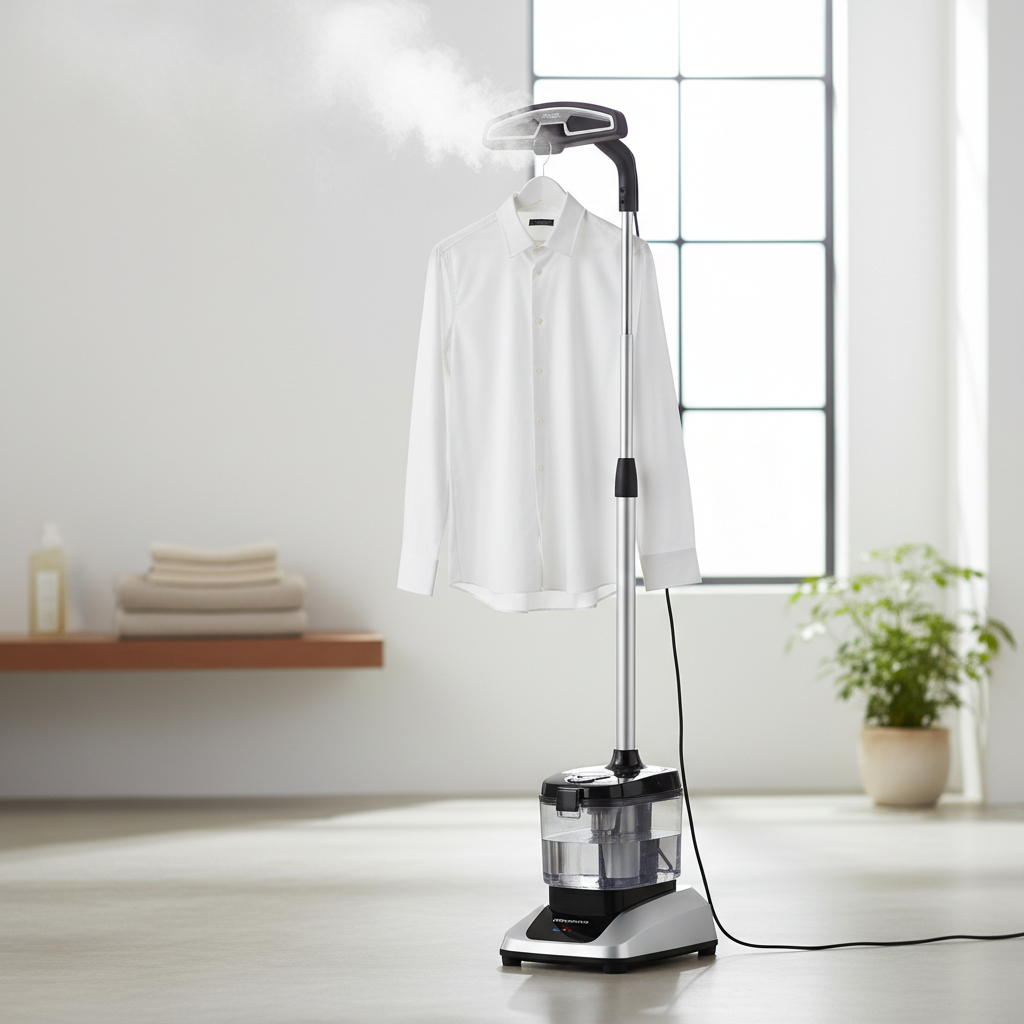
When it comes to the heart of any heating appliance, whether it’s a standing garment steamer, a water heater, or an HVAC system, the heating core material plays a pivotal role in performance, efficiency, and longevity. The choice between aluminium and copper for these crucial components is not simply a matter of preference; it’s a strategic decision based on a complex interplay of thermal properties, cost, weight, and specific application demands. Understanding the inherent strengths and weaknesses of each metal is essential for making an informed choice that delivers optimal results.
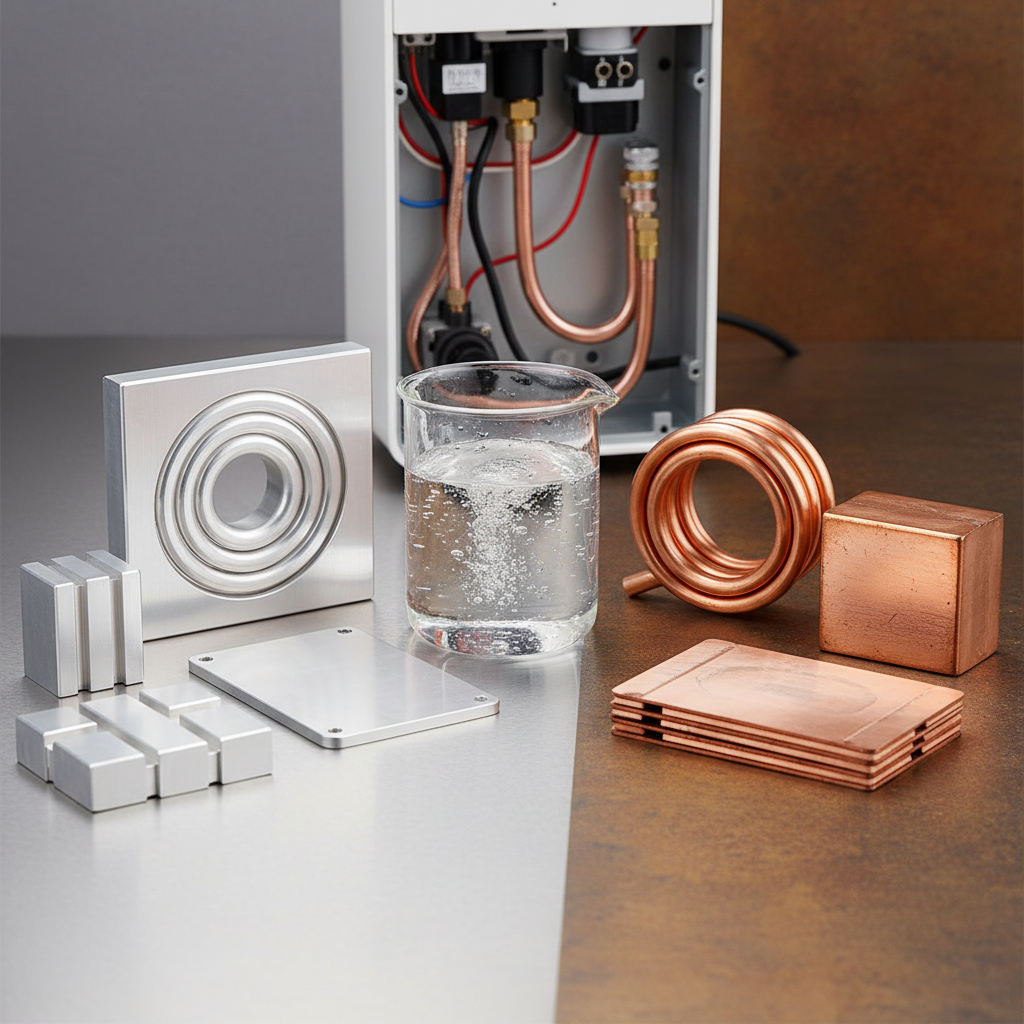
What are Heating Cores and Why Do Materials Matter?
Heating cores, often referred to as heating elements or heat exchangers, are the components responsible for transferring thermal energy within a system. In a standing garment steamer, for instance, the heating core is where water is rapidly heated to produce steam. The material from which these cores are constructed directly influences several critical performance metrics, including how quickly heat is generated, how efficiently it’s transferred, the unit’s overall durability, and its long-term cost of ownership.
The primary function of a heating core is to efficiently convert electrical energy into heat and then transfer that heat to a fluid or surrounding environment. The material’s ability to conduct heat (thermal conductivity), resist corrosion, withstand high temperatures, and its ease of manufacturing are all paramount. A superior material can lead to faster heat-up times, more stable temperature control, and a longer operational lifespan for the appliance.
Aluminium Heating Cores: Advantages and Disadvantages
Aluminium is a widely utilized material in numerous heating applications, valued for its balance of performance and practicality. Its distinctive characteristics make it a popular choice, particularly in consumer-grade products and systems where weight and cost are significant considerations.
Advantages of Aluminium Heating Cores
|
Our Picks for the Best Standing garment steamer in 2026
As an Amazon Associate I earn from qualifying purchases.
|
||
| Num | Product | Action |
|---|---|---|
| 1 | True & Tidy Heavy Duty Commercial Full Size Standing Garment Steamer for Clothes with Extra Large 3L (101 oz) Water Tank for 90+ mins of Steam Time, 1800 watts of Powerful Steam, 3 Settings, Gray |

|
| 2 | SALAV Heavy Duty Commercial Full-Size Garment Steamer with Foot Pedals and Extra Large 3L (101.5 oz) Water Tank, 1800 watts, 90+min of Continuous Steam (White) |
|
| 3 | SALAV® Heavy Duty Smart Auto Shut-off Commercial Full-Size Garment Steamer, Beeping Alert when Water Runs out, Foot Pedal Control, XL 3L (101.5 oz) Tank, 1800 watts, 90+min of Continuous Steam, Navy |
|
| 4 | Garment Steamer for Clothes Standing, 1500W Efficient Clothes Steamer Standing with Wheels, Professional 58OZ Water Tank for Continuous Steaming, Fast Heating Wrinkle Remover |
|
| 5 | Upright Steamer for Clothes 1350W Turbo Boiler Standing Garment Steamer 1.6L Water Tank 1h Continuous Steam Flat&Hanging Ironing Double Retractable Rod 10 Modes 30s Fast Preheat for all Fabrics |
|
| 6 | SALAV GS18-DJ Standing Garment Steamer with Roll Wheels for Easy Movement, 1.8L Water Tank for 1 Hour Continuous Steaming, Adjustable Pole for Storage, Includes Descaler Packet, 1500 watts |
|
| 7 | Pure Enrichment PureSteam XL Standing Fabric Steamer - Professional Wrinkle Remover Heats in 45 Seconds; 1/2-Gallon Tank for 1 Hour of Steaming; Easy-Roll Wheels, Garment Hanger, & Fabric Brush |
|
| 8 | SALAV Heavy Duty Commercial Full-Size Garment Steamer with Foot Pedals and Extra Large 3L (101.5 oz) Water Tank, 1800 watts of Poweful Steam (Navy) |
|
| 9 | SALAV GS18 Full-Size Clothes Steamer - 1500W Power, 1.8L Water Tank, 60-Min Garment Steam, Iron Clothing, Adjustable Pole & Wheels for Easy Storage, Professional Standing Steamer for Clothes, White |
|
| 10 | Jiffy Steamer J-2000 Jiffy Garment Steamer with Plastic Steam Head, 120 Volt, Beige |
|
Aluminium offers several compelling benefits that contribute to its widespread adoption. Firstly, its cost-effectiveness makes it an attractive option for manufacturers, translating to more affordable products for consumers. Aluminium is generally more budget-friendly than copper, often costing about one-third as much.
Secondly, aluminium is remarkably lightweight. With a density significantly lower than copper, it contributes to the overall portability and reduced shipping costs of appliances. This is particularly beneficial for devices like portable standing garment steamers where ease of handling is a key feature.
Furthermore, aluminium boasts ease of manufacturing and fabrication. It can be readily extruded and formed into various shapes and designs, offering manufacturers considerable flexibility in product development. This simplifies production processes and can lead to innovative design configurations. Aluminium also exhibits good corrosion resistance in many environments, especially when treated with protective coatings. It naturally forms a passive oxide layer that helps prevent further corrosion. Additionally, aluminium alloys are known for their resistance to thermal shock, meaning they can withstand rapid temperature changes without cracking or warping, contributing to their durability.
Disadvantages of Aluminium Heating Cores
Despite its many advantages, aluminium does have notable limitations when compared to copper, primarily concerning its thermal performance. The most significant drawback is its lower thermal conductivity. While aluminium is a good conductor of heat, its capacity is substantially less than that of copper. Copper’s thermal conductivity is approximately 60-64% higher than aluminium. This means that aluminium heating cores may take longer to heat up and may not distribute heat as uniformly or as quickly as their copper counterparts, which can impact the efficiency of certain applications where rapid and precise heat transfer is critical.
Copper Heating Cores: Advantages and Disadvantages
Copper has long been celebrated as a premium material for thermal management due to its exceptional properties. It often represents the benchmark for heat transfer performance, particularly in demanding environments and high-performance applications.
Advantages of Copper Heating Cores
Copper’s most significant advantage lies in its superior thermal conductivity. It is one of the best heat conductors available (second only to silver), allowing for incredibly fast heat-up times and highly efficient heat distribution. This translates to quicker steam generation in a garment steamer or faster water heating, which can be a considerable benefit for users. The high thermal conductivity also enables copper cores to maintain a more uniform heat distribution, effectively utilizing the entire radiating area.
Another key strength of copper is its excellent corrosion resistance, particularly in moist, high-pressure, or hygienic applications. Copper naturally forms a protective patina that resists rust and biofouling far better than aluminium. This resilience can lead to a longer service life and reduced maintenance, especially in environments prone to moisture or contaminants like those found in steam-generating appliances. In fact, copper water heaters are renowned for their impressive lifespan, often exceeding 20 years with proper care, attributed to their corrosion resistance and efficient heat transfer.
Copper’s inherent softness also makes it easier to fabricate intricate designs, such as microchannel heat exchangers, which can be crucial for achieving compact, high-performance thermal solutions.
Disadvantages of Copper Heating Cores
The premium performance of copper comes with certain trade-offs. The most prominent disadvantage is its higher cost. Copper is a significantly more expensive material than aluminium, which directly impacts the manufacturing cost and, consequently, the retail price of appliances using copper heating cores.
Furthermore, copper is considerably heavier and denser than aluminium. This added weight can be a drawback in applications where portability is key, or where overall system weight needs to be minimized. The density of copper is roughly 3.3 times that of aluminium, which can make a noticeable difference in product heft.
Manufacturing with copper can also be more complex and costly. While its softness allows for intricate designs, the overall fabrication process can be more demanding than for aluminium, leading to increased production expenses.
Finally, while copper generally offers excellent durability, in certain specific high-heat or highly corrosive environments (for some general heating element types), its lower melting point compared to some specialized alloys can sometimes lead to a shorter lifespan if not properly managed. However, for applications like standing garment steamers, its resistance to water-related corrosion often makes it a more durable choice.
A Head-to-Head Comparison: Aluminium vs. Copper
To encapsulate the differences, let’s look at a direct comparison of the key properties of aluminium and copper heating cores:
| Feature | Aluminium Heating Cores | Copper Heating Cores |
|---|---|---|
| Thermal Conductivity | Good (~237 W/mK), but significantly lower than copper | Excellent (~401 W/mK), highest among common metals |
| Heat-up Speed | Slower than copper | Faster and more efficient |
| Weight | Lightweight (approx. 30% the density of copper) | Heavy (approx. 3.3 times denser than aluminium) |
| Cost | More cost-effective (approx. 1/3 the cost of copper) | Higher cost |
| Corrosion Resistance | Good, especially with protective coatings; susceptible to deterioration in humid conditions without protection | Excellent, forms a protective layer, ideal for moist environments |
| Fabrication | Easy to extrude, flexible for various designs | Softer for intricate designs, but overall more complex |
| Durability/Lifespan | Good, resistant to thermal shock, typical lifespan 5-15 years for general elements | Excellent in water heating applications (20+ years), but some specific elements can be shorter in harsh high-heat scenarios |
| Typical Applications | General-purpose, portable devices, cost-sensitive, LED lighting, consumer electronics | High-performance, compact, high-heat-flux, HVAC, water heaters, high-pressure, moist environments |
Choosing the Right Heating Core: Factors to Consider
Selecting between aluminium and copper heating cores requires a careful evaluation of several factors to ensure the material aligns perfectly with your needs. There’s no single “best” material; rather, it’s about finding the optimal fit for the specific application.
Application Requirements
Consider the demands of your heating system. For high-performance applications where rapid heating, precise temperature control, and maximum heat transfer in a compact space are paramount (e.g., professional-grade standing garment steamers or industrial heat exchangers), copper is often the superior choice. Its unmatched thermal conductivity ensures quick and efficient operation.
Conversely, for general household use or appliances where moderate heating speed is sufficient and cost is a primary concern, aluminium often provides excellent value. Factors like space constraints also play a role; copper can achieve similar thermal performance with smaller dimensions due to its higher conductivity. Moreover, environmental conditions are critical: if the core will be exposed to significant moisture, high humidity, or potentially corrosive agents, copper’s natural corrosion resistance offers a distinct advantage, contributing to long-term reliability.
Budget and Cost-Effectiveness
The financial aspect is always a major consideration. While copper heating cores typically have a higher initial purchase price due to the material cost and manufacturing complexity, their superior efficiency and durability in certain environments can lead to lower long-term operating costs and a longer lifespan, potentially offsetting the initial investment. Aluminium, with its lower upfront cost, is ideal for budget-sensitive installations and consumer products where maximizing initial affordability is key. It’s crucial to consider the total cost of ownership, including potential energy savings and maintenance over the product’s expected life.
Weight and Portability
For devices where weight is a critical factor, such as portable standing garment steamers or compact electronics, aluminium’s lightweight nature makes it a clear winner. A lighter heating core contributes to easier handling, reduced strain, and potentially lower shipping costs. Copper, being significantly denser, will add considerable weight to an appliance, which might be acceptable for stationary units but less desirable for portable ones.
Manufacturing and Design Complexity
The ease of manufacturing can also influence the choice. Aluminium’s flexibility in forming and extrusion processes makes it versatile for a wide range of designs and can streamline production. While copper can be fabricated into intricate microchannels, its higher density and hardness can make machining and shaping more challenging and expensive than aluminium, especially for complex geometries.
Hybrid Solutions and Future Trends
The debate between aluminium and copper isn’t always about choosing one over the other. In many modern thermal management systems, hybrid solutions leverage the strengths of both materials. For instance, some heat exchangers feature copper cores with aluminium fins, balancing the superior heat conductivity of copper with the lightweight and cost-effectiveness of aluminium for heat dissipation. This approach aims to achieve optimal performance while managing costs and weight.
The field of material science is continually evolving, with ongoing research into advanced alloys and composite materials that promise even better thermal performance, durability, and cost-efficiency. These innovations will continue to push the boundaries of what’s possible in heating core technology, offering increasingly tailored solutions for diverse application needs.
Conclusion
The decision between aluminium and copper heating cores is a nuanced one, devoid of a universally “better” answer. Each metal brings a distinct set of advantages and disadvantages to the table, making the optimal choice highly dependent on the specific application. Copper excels in scenarios demanding maximum thermal conductivity, rapid heating, superior corrosion resistance, and longevity in moist environments, often justifying its higher cost and weight. Aluminium, conversely, shines where cost-effectiveness, lightweight design, and ease of manufacturing are paramount, providing a reliable and efficient solution for a broader range of general-purpose and portable applications.
By carefully evaluating your project’s thermal requirements, budget constraints, weight considerations, and environmental factors, you can confidently select the heating core material that will deliver the best performance and value for your specific needs. Understanding these fundamental differences is key to engineering efficient, durable, and cost-effective heating solutions. What aspects of your heating system are most critical to you?
Frequently Asked Questions
Is copper always better than aluminium for heating?
No, copper is not always better than aluminium for heating. While copper offers superior thermal conductivity and excellent corrosion resistance, making it ideal for high-performance and moist environments, aluminium is more cost-effective, lighter, and easier to manufacture. The “better” material depends entirely on the specific application’s requirements, budget, and design constraints.
How does lifespan compare for heating elements made of these materials?
The lifespan of a heating element, whether made of copper or aluminium, generally ranges from 5 to 15 years and is influenced by factors such as usage patterns, operating temperature, power density, and maintenance. Copper cores in water heating applications can often exceed 20 years due to their corrosion resistance. Aluminium cores are durable and resistant to thermal shock. The key is proper design and maintenance for both.
What are hybrid heating cores?
Hybrid heating cores combine different materials, typically aluminium and copper, to optimize performance, cost, and weight. For example, a common hybrid design might use a copper core for its superior heat transfer capabilities and pair it with lightweight, cost-effective aluminium fins for efficient heat dissipation. This approach allows manufacturers to leverage the best properties of each material.