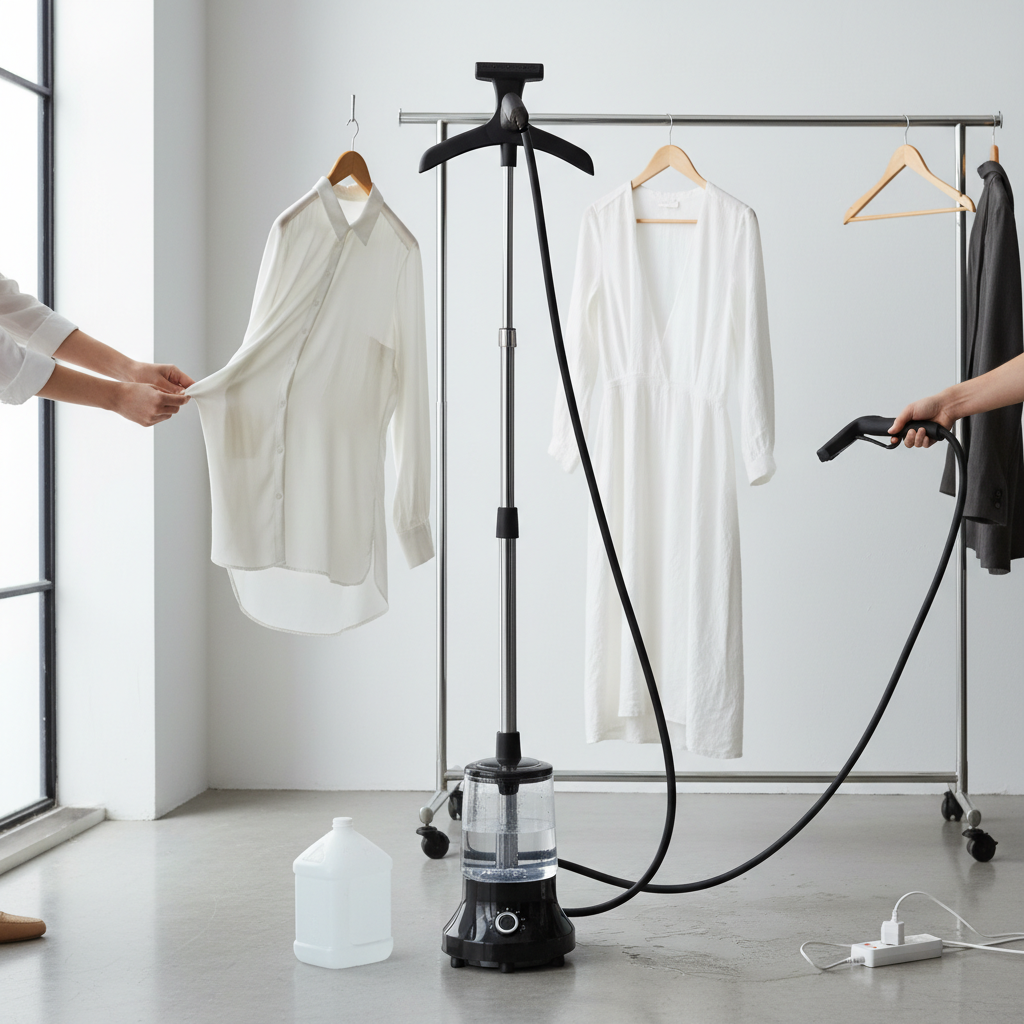
An upright garment steamer is an invaluable tool for keeping your clothes looking crisp and wrinkle-free. But like any appliance that uses water and heat, your steamer is susceptible to mineral buildup, often referred to as scale. This unseen enemy can dramatically reduce your steamer’s efficiency, shorten its lifespan, and even stain your garments. The good news? A simple, natural, and highly effective solution is likely sitting in your pantry: white vinegar. Descaling your upright steamer with vinegar is a straightforward process that can restore its powerful steam and keep your wardrobe impeccable.
Why Descale Your Upright Steamer?
Over time, the water you use in your upright steamer, especially tap water, contains minerals like calcium and magnesium. As water heats and turns into steam, these minerals don’t evaporate; instead, they accumulate on the heating elements, in the water lines, and around the nozzle of your steamer. This process creates what is known as mineral buildup or scale.
Understanding Mineral Buildup (Calcium Deposits)
|
Our Picks for the Best Standing garment steamer in 2026
As an Amazon Associate I earn from qualifying purchases.
|
||
| Num | Product | Action |
|---|---|---|
| 1 | SALAV GS18 Full-Size Clothes Steamer - 1500W Power, 1.8L Water Tank, 60-Min Garment Steam, Iron Clothing, Adjustable Pole & Wheels for Easy Storage, Professional Standing Steamer for Clothes, White |

|
| 2 | True & Tidy Heavy Duty Commercial Full Size Standing Garment Steamer for Clothes with Extra Large 3L (101 oz) Water Tank for 90+ mins of Steam Time, 1800 watts of Powerful Steam, 3 Settings, Gray |
|
| 3 | SALAV Heavy Duty Commercial Full-Size Garment Steamer with Foot Pedals and Extra Large 3L (101.5 oz) Water Tank, 1800 watts, 90+min of Continuous Steam (White) |
|
| 4 | Upright Steamer for Clothes 1350W Turbo Boiler Standing Garment Steamer 1.6L Water Tank 1h Continuous Steam Flat&Hanging Ironing Double Retractable Rod 10 Modes 30s Fast Preheat for all Fabrics |
|
| 5 | SALAV® Heavy Duty Smart Auto Shut-off Commercial Full-Size Garment Steamer, Beeping Alert when Water Runs out, Foot Pedal Control, XL 3L (101.5 oz) Tank, 1800 watts, 90+min of Continuous Steam, Navy |
|
| 6 | Pure Enrichment PureSteam XL Standing Fabric Steamer - Professional Wrinkle Remover Heats in 45 Seconds; 1/2-Gallon Tank for 1 Hour of Steaming; Easy-Roll Wheels, Garment Hanger, & Fabric Brush |
|
| 7 | Garment Steamer for Clothes Standing, 1500W Efficient Clothes Steamer Standing with Wheels, Professional 58OZ Water Tank for Continuous Steaming, Fast Heating Wrinkle Remover |
|
| 8 | SALAV GS18-DJ Standing Garment Steamer with Roll Wheels for Easy Movement, 1.8L Water Tank for 1 Hour Continuous Steaming, Adjustable Pole for Storage, Includes Descaler Packet, 1500 watts |
|
| 9 | SALAV Heavy Duty Commercial Full-Size Garment Steamer with Foot Pedals and Extra Large 3L (101.5 oz) Water Tank, 1800 watts of Poweful Steam (Navy) |
|
| 10 | Jiffy Steamer J-2000 Jiffy Garment Steamer with Plastic Steam Head, 120 Volt, Beige |
|
Calcium deposits are hard, chalky residues that cling to the internal components of your steamer. This buildup is not just unsightly; it directly interferes with the steamer’s ability to generate and expel steam efficiently. Think of it as plaque in an artery – it restricts flow and makes the system work harder. These deposits are more prevalent in areas with hard water, where mineral content is naturally higher.
The Impact on Performance and Longevity
The consequences of neglected mineral buildup are significant. You might notice your steamer:
- Producing less steam than usual.
- Sputtering or spitting water instead of a continuous stream of steam.
- Taking longer to heat up, wasting your precious time.
- Leaving white mineral stains on your clothes.
- Eventually, failing completely due to clogged components or overheating.
Regular descaling prevents these issues, ensuring your steamer operates at its optimal performance and extends its overall lifespan.
When to Descale Your Steamer
Knowing when to descale is crucial for maintaining your steamer’s health. It’s a preventive measure that should be part of your regular appliance care routine, not just a fix for when things go wrong.
Recommended Frequency
The frequency of descaling largely depends on how often you use your steamer and the hardness of your water. As a general guideline, it’s advisable to descale your upright steamer every 45 to 60 days for optimal performance. If you’re a frequent steamer or live in an area with particularly hard water, you might consider descaling even more often.
Warning Signs
Your steamer will often tell you when it’s due for a cleaning. Keep an eye (and ear) out for these common warning signs:
- Reduced steam output: The most obvious sign is a noticeable decrease in the volume or intensity of steam.
- Sputtering or spitting: Instead of a smooth, continuous flow, the steamer may emit bursts of water droplets along with steam.
- Noises: Unusual gurgling, hissing, or bubbling sounds can indicate mineral obstruction.
- White residue: If you start seeing white flakes or residue on your clothes after steaming, it’s a clear indication of internal scale dislodging.
- Longer heating time: If your steamer takes significantly longer to heat up than it used to, mineral buildup could be making the heating element less efficient.
The Power of Vinegar: Why It’s the Go-To Solution
When it comes to tackling mineral buildup, white vinegar is an unsung hero. Its natural acidity makes it a highly effective and safe descaling agent for most household appliances, including your upright steamer.
How Vinegar Works to Break Down Scale
White vinegar contains acetic acid, a mild acid that reacts with the alkaline mineral deposits (like calcium carbonate) found in hard water. This chemical reaction breaks down and dissolves the scale, making it easy to flush out of your steamer. Unlike harsh chemical descalers, vinegar is non-toxic and leaves no harmful residues, making it ideal for an appliance used on clothing.
Choosing the Right Vinegar
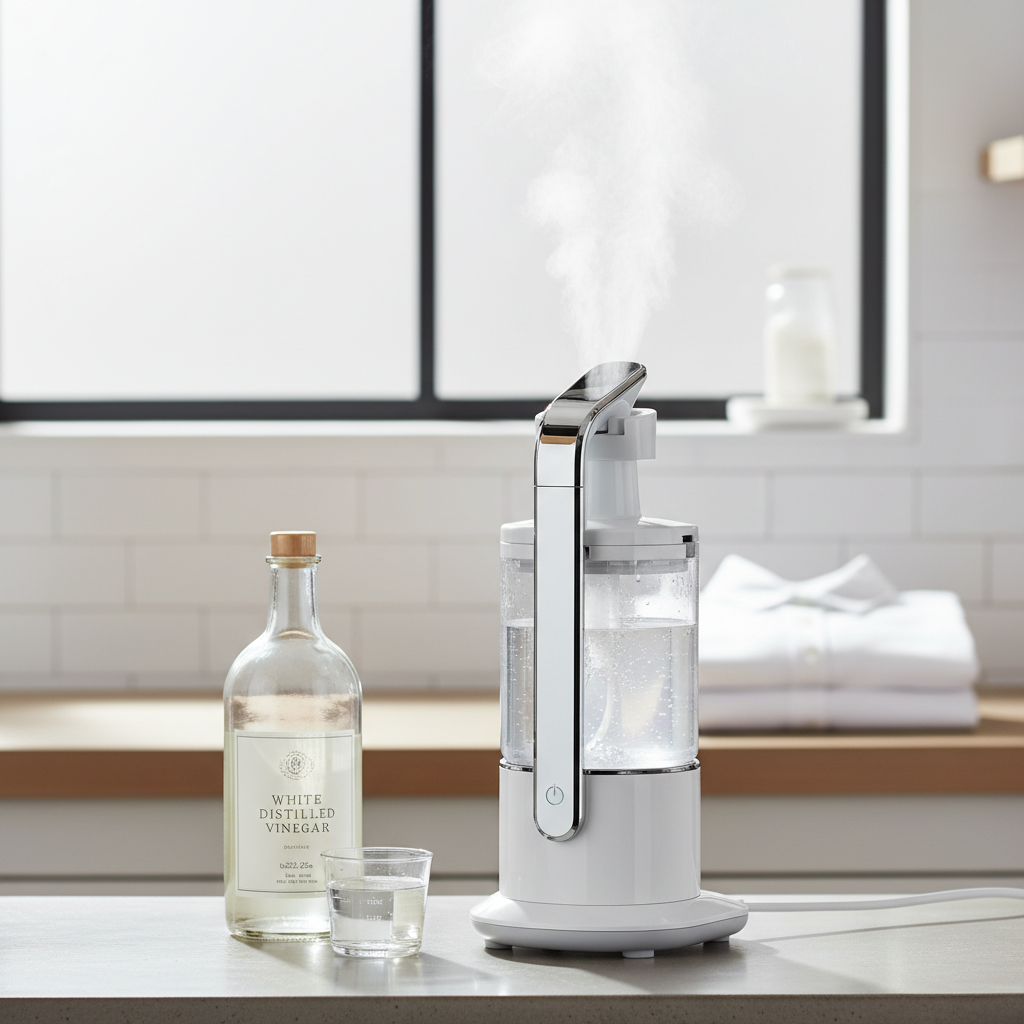
For descaling, distilled white vinegar is your best friend. It has a consistent acidity level and is clear, meaning it won’t leave any color or residue inside your steamer. Avoid using apple cider vinegar or any other colored vinegars, as they can leave behind a brownish tint or sticky residue that might transfer to your clothes. Stick to the plain white variety for the safest and most effective results.
Step-by-Step Guide: Descaling Your Upright Steamer with Vinegar
Descaling your upright steamer with vinegar is a straightforward process that requires minimal effort and household supplies. Follow these steps carefully to ensure a thorough cleaning.
Preparation: Gathering Your Materials
Before you begin, make sure you have everything you need:
- Distilled white vinegar
- Distilled water (for mixing and rinsing)
- A measuring cup
- An empty basin or sink for draining
- A well-ventilated area (near an open window or with an exhaust fan)
- Old towels or rags (to protect surfaces from drips)
Creating the Descaling Solution (Vinegar-to-Water Ratios)
Most manufacturers recommend a vinegar-to-water ratio of 1:2 or 1:3. For general maintenance and moderate buildup, a 1 part white vinegar to 2 parts distilled water mixture works well. If you suspect heavy buildup or haven’t descaled in a long time, you can opt for a stronger 1:1 ratio of vinegar to distilled water.
“A regular descaling routine with a mild vinegar solution is key to preventing major performance issues and extending the life of your steamer. Don’t wait until the steam is barely trickling.” – Admin, reviewtym.com, Garment Steamer Specialist
The Descaling Process (Running the Steamer)
- Unplug and Empty: Always ensure your steamer is unplugged and completely cool. Empty any remaining water from the water tank.
- Fill with Solution: Carefully pour your chosen vinegar-and-distilled-water solution into the steamer’s water tank. Do not overfill.
- Steam the Solution: Plug in your steamer and turn it on. Allow it to heat up fully. Once hot, run the steamer, directing the steam into a sink or an empty basin. Continue steaming until about half of the solution has been expelled, or for about 15-30 minutes, depending on the severity of the buildup. The goal is to allow the hot vinegar to work its way through the internal components.
- Soak and Rest: Unplug the steamer and let it sit for at least 30 minutes. For heavy buildup, you can let it soak for a few hours or even overnight. This allows the acetic acid to further dissolve stubborn mineral deposits.
- Drain and Rinse: After soaking, carefully pour out any remaining vinegar solution from the water tank. Rinse the tank thoroughly with fresh, clean water multiple times to remove any lingering vinegar smell or loosened debris.
- Repeat if Necessary: If you notice significant mineral discharge or if steam output is still weak, repeat steps 2-5 one or two more times until the steam flows strongly and cleanly.
Rinsing and Final Steps
Once you’ve completed the vinegar treatment, a crucial step is to thoroughly rinse your steamer to remove any remaining vinegar and dislodged scale.
- Run with Distilled Water: Fill the water tank with only fresh, distilled water.
- Steam and Rinse: Plug in the steamer and run it, directing the steam into a sink or basin, until the entire tank of distilled water has been expelled. This effectively flushes out any residual vinegar or loosened mineral particles.
- Cool and Store: Unplug the steamer and allow it to cool completely before emptying any remaining water and storing it.
Essential Tips for Ongoing Steamer Maintenance
Descaling is vital, but consistent good habits can significantly reduce the need for frequent deep cleaning and keep your steamer in top condition.
Preventing Future Buildup (Using Distilled Water)
The simplest and most effective way to prevent mineral buildup is to use distilled water in your steamer. Distilled water has had its minerals removed, meaning there’s nothing to accumulate inside your appliance. While tap water might be convenient, the long-term benefits of using distilled water far outweigh the minor inconvenience. If distilled water isn’t always an option, consider using filtered water, though it’s less effective than distilled.
Safe Practices and Troubleshooting Common Issues
- Always Unplug: Before cleaning or performing any maintenance, always ensure the steamer is unplugged and cool to prevent electrical hazards and burns.
- Good Ventilation: When using vinegar, work in a well-ventilated area to avoid inhaling strong fumes.
- Empty After Each Use: Don’t leave water sitting in the tank after you’re done steaming. Emptying and drying the tank prevents stagnant water buildup and bacterial growth.
- Clean Exterior: Wipe down the steamer’s exterior and nozzle regularly with a damp cloth to remove any dust or external residue.
- Troubleshooting: If steam flow is still an issue after descaling, consult your steamer’s user manual. There might be other specific components, like a filter or hose, that require cleaning or attention based on your model.
Conclusion
Descaling your upright steamer with white vinegar is a simple yet profoundly effective maintenance task that ensures your appliance remains a reliable workhorse for your wardrobe. By regularly removing mineral buildup, you not only preserve the quality of your steam and protect your garments from unsightly stains but also significantly extend the life of your steamer. Embrace this easy, eco-friendly cleaning method, and enjoy the consistently powerful, wrinkle-removing performance that keeps your clothes looking their best. How often will you commit to giving your steamer the care it deserves?
Câu Hỏi Thường Gặp
How often should I descale my upright steamer?
It’s recommended to descale your upright steamer every 45 to 60 days, especially if you use it frequently or live in an area with hard water. However, if you notice reduced steam, sputtering, or white residue on clothes, it’s time for a cleaning regardless of the last descaling date.
Can I use any type of vinegar to descale my steamer?
No, it’s best to use distilled white vinegar. Other types of vinegar, such as apple cider vinegar, can leave behind colored residues or odors that might transfer to your clothes or stain the inside of your steamer.
Is descaling with vinegar safe for all upright steamer models?
For most upright steamers, descaling with a diluted white vinegar solution is safe and recommended by manufacturers. However, always check your steamer’s instruction manual first to confirm specific cleaning recommendations and any materials that might be incompatible with vinegar.
What if my steamer still isn’t working after descaling?
If your steamer continues to perform poorly after a thorough descaling, there might be other issues. Ensure you’ve completed the rinsing cycles fully. If problems persist, consult your steamer’s user manual for specific troubleshooting steps or contact the manufacturer’s customer support.
Can I use tap water instead of distilled water for descaling?
While some methods suggest using tap water mixed with vinegar for descaling, using distilled water for both the descaling solution and the final rinse is highly recommended. Distilled water is free of minerals, ensuring no new deposits are introduced during the cleaning process and helping to flush out all dissolved scale effectively.