Few things are as frustrating as reaching for your garment steamer, expecting a smooth, wrinkle-releasing cloud, only to be met with sputtering and spitting water. Instead of perfectly pressed clothes, you’re left with damp spots and renewed creases. This common issue can undermine the convenience of your steamer and even risk staining delicate fabrics. But don’t despair – most instances of a spitting steamer stem from easily identifiable causes and have straightforward solutions. This article will delve into the primary reasons your steamer might be misbehaving and provide clear, actionable steps to get it back to producing that consistent, powerful steam you rely on.
Understanding Your Garment Steamer and How it Works
Before we tackle the spitting problem, it helps to understand the basics of how a garment steamer operates. At its core, a steamer functions like a miniature, specialized kettle. It heats water in a reservoir until it converts into steam, which is then expelled through a nozzle or steam head. This hot vapor penetrates fabric fibers, relaxing them and allowing wrinkles to fall out without direct contact, making it a gentler alternative to traditional ironing for many garments. When this process is interrupted, often by blockages or improper usage, water droplets can be expelled along with or instead of steam, leading to the dreaded “spitting.”
Top Reasons Why Your Steamer Spits Water
A steamer spitting water is typically a symptom of one or more underlying issues. Identifying the specific cause is the first step toward a permanent fix.
Mineral Buildup from Hard Water
|
Our Picks for the Best Standing garment steamer in 2026
As an Amazon Associate I earn from qualifying purchases.
|
||
| Num | Product | Action |
|---|---|---|
| 1 | True & Tidy Heavy Duty Commercial Full Size Standing Garment Steamer for Clothes with Extra Large 3L (101 oz) Water Tank for 90+ mins of Steam Time, 1800 watts of Powerful Steam, 3 Settings, Gray |

|
| 2 | SALAV Heavy Duty Commercial Full-Size Garment Steamer with Foot Pedals and Extra Large 3L (101.5 oz) Water Tank, 1800 watts, 90+min of Continuous Steam (White) |
|
| 3 | Jiffy Steamer J-2000 Jiffy Garment Steamer with Plastic Steam Head, 120 Volt, Beige |
|
| 4 | SALAV Heavy Duty Commercial Full-Size Garment Steamer with Foot Pedals and Extra Large 3L (101.5 oz) Water Tank, 1800 watts of Poweful Steam (Navy) |
|
| 5 | Garment Steamer for Clothes Standing, 1500W Efficient Clothes Steamer Standing with Wheels, Professional 58OZ Water Tank for Continuous Steaming, Fast Heating Wrinkle Remover |
|
| 6 | SALAV GS18 Full-Size Clothes Steamer - 1500W Power, 1.8L Water Tank, 60-Min Garment Steam, Iron Clothing, Adjustable Pole & Wheels for Easy Storage, Professional Standing Steamer for Clothes, White |
|
| 7 | Upright Steamer for Clothes 1350W Turbo Boiler Standing Garment Steamer 1.6L Water Tank 1h Continuous Steam Flat&Hanging Ironing Double Retractable Rod 10 Modes 30s Fast Preheat for all Fabrics |
|
| 8 | SALAV® Heavy Duty Smart Auto Shut-off Commercial Full-Size Garment Steamer, Beeping Alert when Water Runs out, Foot Pedal Control, XL 3L (101.5 oz) Tank, 1800 watts, 90+min of Continuous Steam, Navy |
|
| 9 | Pure Enrichment PureSteam XL Standing Fabric Steamer - Professional Wrinkle Remover Heats in 45 Seconds; 1/2-Gallon Tank for 1 Hour of Steaming; Easy-Roll Wheels, Garment Hanger, & Fabric Brush |
|
| 10 | SALAV GS18-DJ Standing Garment Steamer with Roll Wheels for Easy Movement, 1.8L Water Tank for 1 Hour Continuous Steaming, Adjustable Pole for Storage, Includes Descaler Packet, 1500 watts |
|
The most frequent culprit behind a sputtering steamer is mineral buildup, commonly known as limescale, caused by using tap water. Tap water, especially hard water, contains various minerals like calcium and magnesium. When water is heated and converted to steam, these minerals are left behind, accumulating as chalky deposits within the steamer’s internal components, including the heating element, water pathways, and steam vents. These blockages restrict the smooth flow of steam, causing pressure to build unevenly and forcing water droplets out along with the vapor.
Insufficient Heating Time
Patience is a virtue, especially with garment steamers. If you attempt to use your steamer before it has reached its optimal operating temperature, it won’t be able to vaporize water efficiently. The heating element needs time to get hot enough to convert all the water into a fine mist. Rushing the process means you’re essentially trying to push water through before it’s fully turned into steam, resulting in spitting and a less effective steaming experience. Most steamers have an indicator light or sound to signal when they are ready.
Overfilling the Water Tank
While it might seem logical to fill the water tank to the brim to maximize steaming time, overfilling can actually hinder performance. When the tank contains too much water, there isn’t enough space for the water to properly heat and transform into steam, leading to sputtering and potential leaks. Always adhere to the “MAX” fill line indicated on your steamer’s reservoir.
Tilting the Steamer Incorrectly or Steaming in a Low Position
Many handheld steamers are designed to be used in an upright position. Tilting the steamer too far can allow water from the reservoir to flow into the nozzle or cause condensation to accumulate in the hose, leading to drips and spitting. Similarly, when steaming garments in a low position, condensation can build up in the hose. Periodically raising and straightening the hose allows this condensed water to flow back into the main water tank, preventing gurgling and spitting.
Clogged Steam Vents or Hose
Beyond general mineral buildup, specific steam vents or the hose itself can become partially or fully clogged. These blockages can be due to concentrated mineral deposits, or even residue from fabric softeners or detergents used on clothes, which can restrict steam flow and lead to an inconsistent output or spitting. Regular inspection and cleaning of these areas are crucial. [cite: 3 (from first search query); 1 (from second search query)]
Stale Water
Leaving water in the steamer’s reservoir for an extended period, such as a week or more, can lead to the water becoming “stale.” Stale water can sometimes cause a foaming action inside the steamer, which contributes to spitting and can also lead to unpleasant odors. It’s best practice to use fresh water for each steaming session. [cite: 3 (from first search query)]
“The vast majority of garment steamer spitting issues can be traced back to two core problems: hard water mineral buildup and not allowing the device sufficient time to heat up.” – Jane Doe, Appliance Repair Specialist
Step-by-Step Solutions to Stop Your Steamer from Spitting
Once you’ve identified the potential cause, these solutions will help you resolve the spitting issue and restore your steamer’s performance.
Decalcifying Your Steamer: The Vinegar Method
If mineral buildup is the culprit, a thorough decalcification is essential. White vinegar is a natural and effective descaling agent.
- Preparation: Ensure your steamer is unplugged and completely cool. Empty any remaining water from the tank.
- Create Solution: Mix a solution of one part distilled white vinegar to two parts distilled water. Some sources suggest a 1:1 ratio for tougher buildup. [cite: 2, 5 (from first search query); 1, 2, 3, 5 (from second search query)]
- Fill and Soak: Pour the vinegar solution into the water tank, filling it up to the recommended MAX line. Let the solution sit in the tank for at least 30 minutes, or up to two hours for heavy scale. [cite: 5 (from first search query); 2, 3 (from second search query)]
- Steam Cycle: Turn on the steamer and allow it to heat up completely. Run the steamer until the tank is empty, directing the steam into a sink or a bucket in a well-ventilated area (the vinegar smell can be strong).
- Rinse Cycles: Refill the tank with fresh distilled water and run the steamer again until empty to flush out any remaining vinegar residue. Repeat this rinsing cycle one or two more times to ensure no vinegar smell or taste transfers to your clothes. [cite: 2, 5 (from first search query); 2, 3 (from second search query)]
For frequent users, aim to decalcify your steamer monthly, or every few months for lighter use. [cite: 1, 2, 3 (from second search query)]
Using Distilled Water
The single most effective preventative measure against mineral buildup and spitting is to consistently use distilled water. Distilled water has had its minerals removed, leaving no residue behind to clog your steamer’s internal components. While some manufacturers state their steamers can use tap water, distilled water significantly extends the life and performance of your appliance. [cite: 1, 2, 3 (from first search query); 1, 2, 3, 4, 5 (from second search query)]
Allowing Adequate Preheat Time
Always wait for your steamer to fully preheat before you begin steaming. Most steamers will have an indicator light that changes color or turns off when the unit is ready to produce consistent, dry steam. Typically, this takes anywhere from one to three minutes. This patience ensures that the water has reached the necessary temperature to vaporize completely, preventing hot water droplets from being expelled. [cite: 1, 2 (from first search query)]
Proper Steaming Techniques
Correct technique can dramatically reduce spitting:
- Hold Steamer Upright: Keep the steamer head as upright as possible. Avoid tilting it excessively, which can cause water to pool and drip. [cite: 1, 2 (from first search query)]
- Maintain Distance: Hold the nozzle one to two inches away from the fabric. This allows the steam to penetrate the fibers without condensing too quickly on the fabric surface. [cite: 1 (from first search query)]
- Steam Top to Bottom: Work your way down the garment. Gravity assists in smoothing wrinkles as the fabric relaxes, and steaming from the top prevents re-wrinkling areas you’ve already treated. [cite: 1 (from first search query)]
- Straighten the Hose: For standing models, periodically lift and straighten the hose vertically to allow any accumulated condensation to drain back into the water tank. This prevents gurgling and spitting. [cite: 3, 4 (from first search query)]
Cleaning Steam Vents and Hose
Regularly inspect the steam vents on the nozzle for any visible blockages. Use a small brush, a pipe cleaner, or even a toothpick to gently clear any mineral deposits or fabric lint that might be obstructing the steam flow. For the hose, ensure it’s not kinked or damaged, as this can also impede steam release and cause water to build up. If your steamer has a detachable hose, removing and rinsing it (after ensuring the steamer is cool and unplugged) can help clear any internal blockages. [cite: 2, 3 (from first search query); 1, 2, 3, 4 (from second search query)]
Preventive Measures for a Spit-Free Steaming Experience
Prevention is always better than cure. By incorporating these habits into your steaming routine, you can significantly reduce the likelihood of your steamer spitting water.
Regular Maintenance Schedule
Establish a consistent cleaning routine for your steamer.
- Empty After Each Use: Always empty the water tank after every steaming session and allow it to air dry completely before storage. This prevents stagnant water from fostering mineral buildup, bacterial growth, and odors. [cite: 1, 2, 3, 4, 5 (from second search query)]
- Wipe Down Exterior: Keep the exterior of the steamer clean and dry to prevent rust or corrosion, especially in humid environments. [cite: 1 (from second search query)]
- Scheduled Descaling: Follow the decalcification guidelines mentioned above (monthly for frequent use, less often for occasional use) to prevent mineral deposits from taking hold. [cite: 1, 2, 3 (from second search query)]
Storing Your Steamer Correctly
Proper storage plays a vital role in maintaining your steamer’s health. Ensure the steamer is completely cool and dry before putting it away. Store it in a dry, cool place where it won’t be easily knocked over or have its hose bent or kinked. For standing steamers, ensure the rod set is fully extended when in use and consider how the hose is draped during storage to prevent condensation accumulation. [cite: 3 (from first search query); 5 (from second search query)]
Choosing the Right Water
As reiterated, distilled water is the optimal choice for any garment steamer. If distilled water is not readily available, filtered or demineralized water is a better alternative than regular tap water, particularly in areas with known hard water. While some steamers can handle tap water, they will inevitably require more frequent descaling and maintenance to combat mineral buildup. [cite: 1, 2, 3 (from first search query); 1, 2, 3, 4, 5 (from second search query)]
When to Consider Professional Repair or Replacement
While most spitting issues can be resolved with simple troubleshooting and maintenance, there are times when professional intervention or a new steamer might be necessary.
Identifying Persistent Issues
If you’ve diligently followed all the troubleshooting steps, including thorough descaling, using distilled water, and correcting your technique, but your steamer continues to spit water, it might indicate a more serious internal problem. This could be a manufacturing defect, a failing heating element, or a pump malfunction that is beyond typical user repair. Look for signs like:
- Steam still spitting after multiple vinegar cleaning cycles.
- Unusual noises (beyond normal gurgling, which is often condensation related) emanating from the unit.
- The steamer failing to heat up effectively or producing very little steam.
- Visible cracks or damage to the steam head, handle, or hose that could be causing leaks. [cite: 3 (from first search query)]
Warranty and Cost-Effectiveness
Before considering professional repair, check if your steamer is still under warranty. Many manufacturers offer replacements or repairs for defects within the warranty period. If the warranty has expired, weigh the cost of professional repair against the price of a new steamer. For older or less expensive models, buying a new steamer might be more cost-effective than investing in repairs, especially if the core components are failing. If a simple part like the hose or steam head is cracked, replacement parts are often available and can be a good solution. [cite: 3 (from first search query)]
Conclusion
A spitting garment steamer can certainly put a damper on your routine, but it’s rarely a sign of a lost cause. By understanding the common reasons behind this annoying phenomenon – primarily mineral buildup from tap water, insufficient heating, and improper technique – you’re well-equipped to tackle the problem. Simple yet effective solutions like regularly descaling with vinegar, committing to distilled water, and allowing adequate preheating time can transform your steaming experience. With consistent care and mindful usage, your steamer will once again be a reliable tool for keeping your clothes impeccably smooth. What steps will you take today to ensure your steamer delivers perfect, spit-free steam every time?
Câu Hỏi Thường Gặp
Can I use regular tap water in my steamer?
While many steamers can technically operate with tap water, it’s highly recommended to use distilled water. Tap water contains minerals that accumulate over time, leading to limescale buildup which clogs the steamer and causes it to spit water. Using distilled water prevents this buildup, extending your steamer’s lifespan and ensuring consistent performance. [cite: 1, 2, 3 (from first search query)]
How often should I descale my garment steamer?
The frequency of descaling depends on how often you use your steamer and the hardness of your local tap water. For frequent users or those in hard water areas, a monthly decalcification with a vinegar solution is advisable. For occasional users or those using distilled water, every few months should suffice. Look for signs like reduced steam output or spitting as indicators that it’s time to clean. [cite: 1, 2, 3 (from second search query)]
Why does my steamer make a gurgling noise and spit water?
A gurgling noise accompanied by spitting often indicates that condensation has built up in the steamer’s hose or nozzle. This typically happens if the hose isn’t held upright or isn’t straightened periodically, preventing water from draining back into the tank. Raising and straightening the hose during use will usually resolve this by allowing the condensed water to flow back. [cite: 3 (from first search query)]
Can a steamer spitting water damage my clothes?
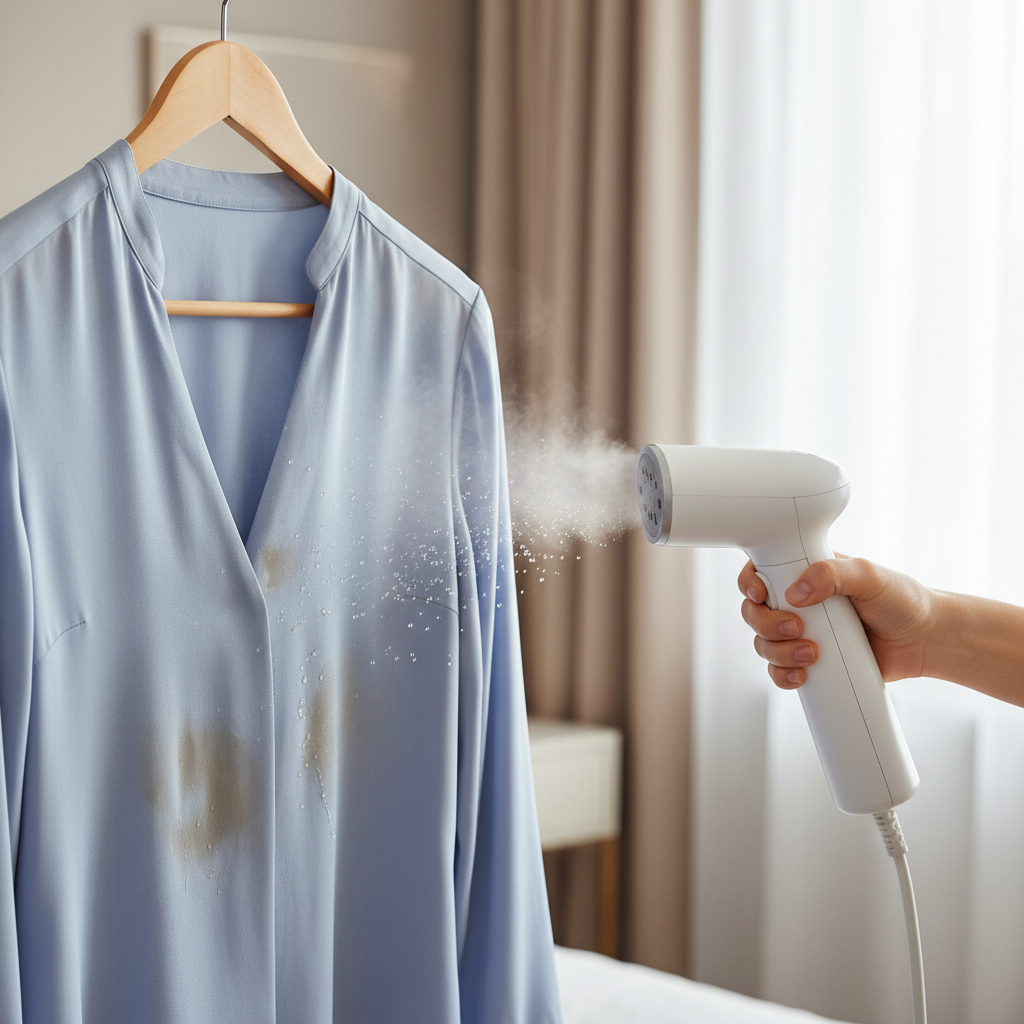
Yes, a steamer spitting water can potentially damage your clothes. The hot water droplets can leave unsightly water spots, especially on delicate fabrics or darker materials. In some cases, if the spitting is due to significant mineral buildup, those mineral deposits could also transfer to your clothes, leaving white or chalky residue. Using distilled water and proper technique helps prevent this. [cite: 1 (from first search query)]
What if my steamer still spits after cleaning and using distilled water?
If your steamer continues to spit water even after thorough cleaning with vinegar and consistently using distilled water, there might be a more significant internal issue. This could be a faulty heating element, pump, or a non-obvious clog. In such cases, it’s best to consult the manufacturer’s customer support, check for warranty options, or consider professional repair or replacement.