Wrinkles are an inevitable part of life, often appearing at the most inconvenient times, marring an otherwise perfect outfit or presenting a less-than-polished appearance. For many, the traditional iron and ironing board are cumbersome, time-consuming, and can even be harsh on delicate fabrics. This is where garment steamers step in, offering a quicker, gentler, and often more convenient solution to keep clothes looking pristine. But with two primary types—standing and handheld—choosing the right one, especially considering their underlying power dynamics, can be perplexing. This comprehensive guide will delve into the core differences, focusing on wattage, steam output, and overall performance, to help you make an informed decision tailored to your lifestyle and garment care needs.
What is a Standing Garment Steamer?
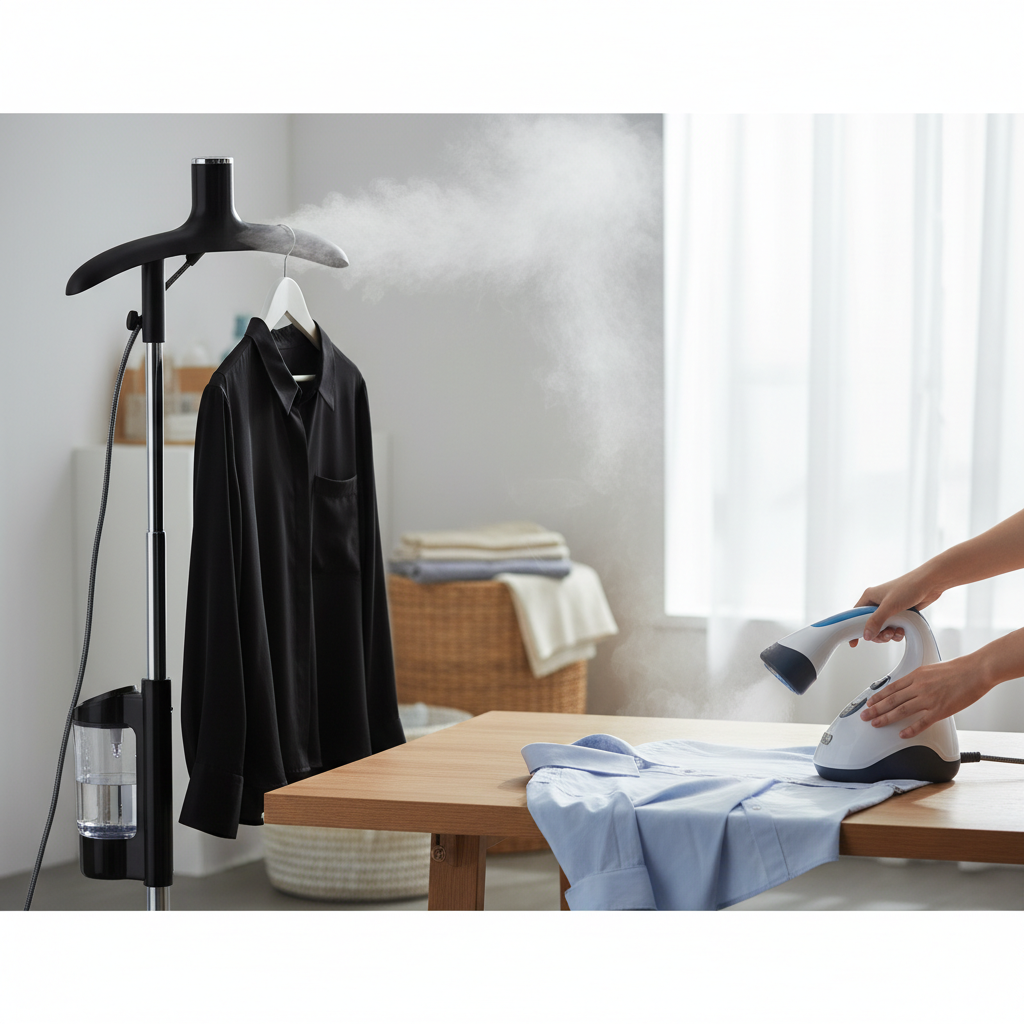
A standing garment steamer, also known as an upright or full-size steamer, is a larger appliance designed for heavy-duty and continuous use. Typically featuring a base unit that houses a substantial water tank and heating element, it connects to a flexible hose ending in a steaming nozzle, often accompanied by an adjustable pole with a built-in hanger. These units are engineered to produce a consistent, powerful flow of steam, effectively relaxing fibers and removing wrinkles from a variety of fabrics without direct contact. Their primary advantage over traditional irons lies in their gentleness, making them ideal for delicate materials like silk, chiffon, and lace, as well as larger items such as suits, drapes, and upholstery that would be difficult to manage on an ironing board.
What is a Handheld Garment Steamer?
Conversely, a handheld garment steamer is a compact, portable device where the water tank, heating element, and nozzle are integrated into a single, ergonomic unit. Designed for convenience and speed, these lightweight steamers are perfect for quick touch-ups, de-wrinkling a single garment before heading out, or freshening clothes while traveling. While they may not offer the continuous steaming power of their standing counterparts, handheld models excel in rapid heat-up times and ease of storage. Like standing steamers, they provide a gentle alternative to ironing, preventing scorch marks and protecting the integrity of sensitive fabrics. The portability of handheld steamers makes them an invaluable tool for busy individuals who need wrinkle-free clothes on the go.
The Power Play: Standing vs. Handheld Steamer Metrics
Understanding the “power” behind each type of steamer is crucial for selecting a model that meets your specific demands. This isn’t just about raw wattage but encompasses heating speed, steam output, and the duration of continuous use.
Wattage and Heating Speed
Wattage is a direct indicator of a steamer’s heating capability. Higher wattage generally translates to faster heat-up times and a more robust steam production.
- Standing Steamers: These units typically boast higher wattages, ranging from 1500W to over 2000W. This substantial power allows them to heat larger water tanks efficiently and maintain a consistent, high-volume steam output. Heat-up times for standing steamers usually fall within 35 to 60 seconds, though some advanced models can be quicker. Their design prioritizes sustained performance for significant steaming tasks.
- Handheld Steamers: Handheld models vary widely in wattage, from 700W for basic travel units to 1875W for more powerful versions designed for home use. The lower wattage contributes to their compact size and quick heat-up, often ready to use in 25 to 45 seconds. While some powerful handhelds can rival the speed of standing units, their smaller heating elements mean they might struggle with extremely dense fabrics over prolonged periods.
|
Our Picks for the Best Standing garment steamer in 2026
As an Amazon Associate I earn from qualifying purchases.
|
||
| Num | Product | Action |
|---|---|---|
| 1 | SALAV GS18 Full-Size Clothes Steamer - 1500W Power, 1.8L Water Tank, 60-Min Garment Steam, Iron Clothing, Adjustable Pole & Wheels for Easy Storage, Professional Standing Steamer for Clothes, White |

|
| 2 | Upright Steamer for Clothes 1350W Turbo Boiler Standing Garment Steamer 1.6L Water Tank 1h Continuous Steam Flat&Hanging Ironing Double Retractable Rod 10 Modes 30s Fast Preheat for all Fabrics |
|
| 3 | True & Tidy Heavy Duty Commercial Full Size Standing Garment Steamer for Clothes with Extra Large 3L (101 oz) Water Tank for 90+ mins of Steam Time, 1800 watts of Powerful Steam, 3 Settings, Gray |
|
| 4 | Pure Enrichment PureSteam XL Standing Fabric Steamer - Professional Wrinkle Remover Heats in 45 Seconds; 1/2-Gallon Tank for 1 Hour of Steaming; Easy-Roll Wheels, Garment Hanger, & Fabric Brush |
|
| 5 | Jiffy Steamer J-2000 Jiffy Garment Steamer with Plastic Steam Head, 120 Volt, Beige |
|
| 6 | SALAV Heavy Duty Commercial Full-Size Garment Steamer with Foot Pedals and Extra Large 3L (101.5 oz) Water Tank, 1800 watts, 90+min of Continuous Steam (White) |
|
| 7 | SALAV Heavy Duty Commercial Full-Size Garment Steamer with Foot Pedals and Extra Large 3L (101.5 oz) Water Tank, 1800 watts of Poweful Steam (Navy) |
|
| 8 | SALAV® Heavy Duty Smart Auto Shut-off Commercial Full-Size Garment Steamer, Beeping Alert when Water Runs out, Foot Pedal Control, XL 3L (101.5 oz) Tank, 1800 watts, 90+min of Continuous Steam, Navy |
|
| 9 | SALAV GS18-DJ Standing Garment Steamer with Roll Wheels for Easy Movement, 1.8L Water Tank for 1 Hour Continuous Steaming, Adjustable Pole for Storage, Includes Descaler Packet, 1500 watts |
|
| 10 | Garment Steamer for Clothes Standing, 1500W Efficient Clothes Steamer Standing with Wheels, Professional 58OZ Water Tank for Continuous Steaming, Fast Heating Wrinkle Remover |
|
Steam Output and Pressure (GPM)
Steam output, often measured in grams per minute (GPM), dictates how effectively and quickly a steamer can remove wrinkles. A higher GPM indicates a more forceful and voluminous steam flow.
- Standing Steamers: These units are designed for superior steam output and often offer continuous, high-pressure steam. They can typically produce 25-45 grams of steam per minute (GPM), with some commercial-grade models exceeding this. This powerful steam flow is highly effective on thick, heavy fabrics like denim, wool, and linen, making light work of stubborn creases and large surface areas. The consistent output ensures deep penetration into fabric fibers, leading to quick and thorough wrinkle removal.
- Handheld Steamers: The steam output of handheld steamers is generally lower than that of standing models, typically ranging from 18-28 GPM. While this is sufficient for quick touch-ups, delicate fabrics, and everyday garments like cotton shirts or blouses, they may require more passes or struggle with very thick materials. Some advanced handheld steamers do offer enhanced steam output, sometimes incorporating dual-heat or turbo modes to boost performance when needed.
Water Tank Capacity and Continuous Steaming Time
The size of the water tank directly impacts how long you can steam before needing a refill, which is a critical factor for efficiency.
- Standing Steamers: These models feature significantly larger water tanks, typically ranging from 1.8 liters to 3 liters or more. This generous capacity allows for extended periods of continuous steaming, often between 60 to 90 minutes, or even longer for professional units. This makes them ideal for steaming multiple garments, large household items like curtains, or preparing a week’s worth of outfits in one session.
- Handheld Steamers: Handheld steamers are equipped with much smaller water tanks, usually between 100 milliliters and 400 milliliters. This reduced capacity means a shorter continuous steaming time, typically ranging from 5 to 20 minutes. While this is perfectly adequate for a quick refresh of one or two items, frequent refills will be necessary for larger loads. The smaller tank contributes to their lightweight and portable design.
Key Differences: Standing vs. Handheld Steamers
Beyond raw power metrics, several other distinctions define the functionality and user experience of standing and handheld steamers.
Portability and Storage
The most apparent difference lies in their design and ease of movement.
- Standing Steamers: These are inherently less portable due to their larger size and weight. They require dedicated storage space and are not designed for travel. Their stability and integrated features like adjustable poles and hangers are built for stationary home or commercial use.
- Handheld Steamers: Praised for their compact size and lightweight construction, handheld steamers are the epitome of portability. Many models feature foldable handles and come with travel pouches, making them perfect companions for business trips, vacations, or simply moving around the house for quick wrinkle fixes. They fit easily into drawers or luggage.
Fabric Suitability and Versatility
Both types are gentle on fabrics, but their optimal use cases differ.
- Standing Steamers: Excelling in versatility, standing steamers are adept at handling a wide array of fabrics, from robust cottons and wools to delicate silks and even heavily embellished garments. Their powerful, continuous steam is perfect for structured pieces like suits and jackets, as well as large textiles like drapes, bedding, and upholstery. Many come with attachments for different fabric types.
- Handheld Steamers: While also versatile, handheld steamers are particularly well-suited for quick refreshes of everyday clothing, delicate garments that require a lighter touch, and fabrics that don’t have deep-set wrinkles. They are excellent for fine fabrics, synthetics, and knits, providing a gentle smoothing without the risk of scorching.
Ease of Use and Features
The operational aspects and additional functionalities can influence your choice.
- Standing Steamers: These often offer a hands-free steaming experience with built-in hangers and sometimes even ironing boards, allowing users to stretch and steam garments with ease. They may include multiple steam settings, auto shut-off, and specialized attachments for different fabric needs. While their initial setup might take a bit longer, they offer a more comprehensive garment care station.
- Handheld Steamers: Valued for their simplicity, handheld steamers are typically very easy to operate—just fill, heat, and steam. While some come with basic attachments like fabric brushes, they generally have fewer features than standing models. Their ergonomic design aims for comfort and effortless maneuvering for quick tasks.
Cost and Durability
Investment and longevity are significant considerations.
- Standing Steamers: Generally more expensive upfront, standing steamers are often built with more robust components designed for greater durability and longer lifespan, especially commercial-grade models. Their larger build can imply a more substantial investment but promises a powerful and long-lasting solution for extensive use.
- Handheld Steamers: Typically more budget-friendly, handheld steamers offer an accessible entry point into garment care. While some high-end models can be pricier, the majority are affordable. Their durability can vary significantly by brand, but they are generally seen as a convenient, cost-effective option for lighter, occasional use.
Choosing Your Steamer: Identifying Your Needs
The “best” steamer isn’t universal; it’s the one that aligns perfectly with your individual needs and lifestyle.
Daily Quick Touch-ups vs. Batch Steaming
- For Daily Quick Touch-ups: If you primarily need to smooth out a few wrinkles from an outfit before leaving the house, a handheld steamer is your ideal choice. Its rapid heat-up and portability make it perfect for on-demand use, saving you precious minutes.
- For Batch Steaming: If you regularly steam a large volume of clothes, formal wear, or household linens, a standing garment steamer will offer the power and capacity for uninterrupted, efficient work. Its larger water tank and continuous steam output will significantly reduce your effort and time.
Home Use vs. Travel
- For Home Use: For a dedicated home garment care station, particularly if you have space, a standing steamer provides robust performance for all fabric types and large items.
- For Travel: When space is limited, or you need wrinkle-free clothes on the go, a handheld steamer is indispensable. Look for lightweight, compact, and dual-voltage models for international travel.
Fabric Types (Delicates, Heavy Fabrics, Upholstery)
- Delicate Fabrics & Quick Refreshes: Both steamers are gentle, but handhelds offer controlled, quick passes ideal for delicate materials like silk or chiffon.
- Heavy Fabrics & Structured Garments: The consistent, powerful steam of a standing steamer is superior for penetrating thick fabrics like denim, wool coats, or structured blazers, providing a crisp finish.
- Upholstery & Drapes: For large household items, the extended reach and greater steam volume of a standing steamer are far more effective and practical.
Space and Budget Considerations
- Limited Space: A handheld steamer is the clear winner for small apartments or minimalist living, as it stores away easily.
- Budget-Friendly Option: Handheld steamers generally offer a lower entry price, making them a cost-effective solution for casual users.
- Investment in Performance: If budget allows and extensive garment care is a priority, a standing steamer represents a valuable long-term investment in power and versatility.
Top Standing and Handheld Steamer Features to Look For
When exploring specific models, consider these features to maximize your steaming experience:
- Adjustable Steam Settings: Essential for versatility, allowing you to tailor steam output to different fabric types, from a gentle mist for silk to a powerful blast for denim.
- Safety Features: Automatic shut-off when the water tank is empty or if the steamer overheats is crucial for peace of mind and device longevity.
- Attachments: Look for brushes to loosen fibers and remove lint, creasing tools for sharp pleats, and fabric spacers for ultra-delicate materials.
- Ergonomic Design: For handhelds, a comfortable grip and balanced weight are important for extended use. For standing models, a lightweight nozzle and flexible hose reduce user fatigue.
- Dual Voltage: A must-have for travel-focused handheld steamers, enabling use in various countries without needing a voltage converter.
Maximizing Your Steamer’s Life: Usage and Maintenance Tips
Proper care ensures your garment steamer remains a reliable tool for years to come.
Safe and Effective Usage Guide
- Use Distilled Water: Always use distilled or demineralized water to prevent mineral buildup and extend your steamer’s lifespan. Tap water, especially hard water, can lead to clogging and sputtering.
- Pre-heat Properly: Allow your steamer to fully heat up until the steam is consistent before applying it to garments. This prevents water spitting and ensures optimal performance.
- Steam Vertically: For best results, hang garments on a hanger and steam from top to bottom. Pull the fabric taut with your free hand (using a heat-resistant mitt) to smooth wrinkles more effectively.
- Keep Nozzle Moving: Avoid holding the nozzle in one spot for too long, especially on delicate fabrics, to prevent oversaturation and potential damage.
Regular Cleaning and Descaling
Mineral buildup from water is the enemy of steamers. Regular cleaning is vital.
- Empty After Each Use: Always empty the water tank after each steaming session to prevent stagnant water and mineral deposits.
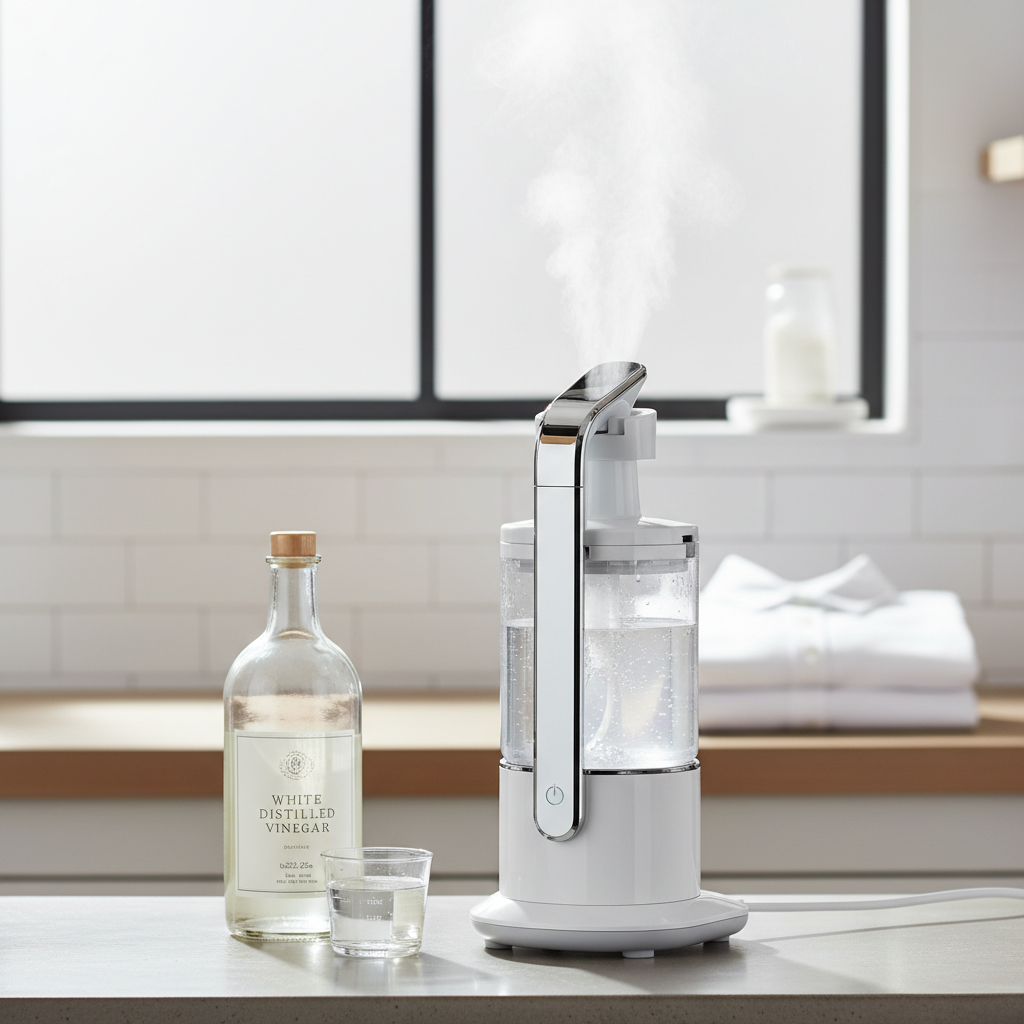
- Descaling: Every few months, descale your steamer. You can typically do this by filling the tank with a solution of equal parts white vinegar and distilled water. Run the steamer until half the solution is used, then turn it off and let it sit for 30 minutes before steaming the rest of the solution through. Finish by running a few tanks of plain distilled water to rinse thoroughly.
- Clean Nozzle: Use a cotton swab or a soft brush to clean any residue from the steam nozzle.
Common Issues and Troubleshooting
- Sputtering/Water Droplets: This often indicates the steamer isn’t fully heated or has mineral buildup. Ensure it’s pre-heated, and if the problem persists, descale the unit.
- No Steam: Check if the water tank is empty, if the power cord is securely plugged in, and if there’s any blockage in the nozzle.
- Weak Steam: This could be due to low water levels, mineral buildup, or simply the unit’s wattage not being sufficient for the task.
The choice between a standing and handheld garment steamer ultimately hinges on your unique requirements for power, portability, and garment care volume. While handheld models offer unparalleled convenience for quick fixes and travel, standing steamers provide robust, continuous power for extensive use and demanding fabrics. Both are excellent alternatives to traditional ironing, offering a gentler, quicker way to maintain a wrinkle-free wardrobe. By understanding the critical metrics of wattage, steam output, and capacity, you can confidently select the perfect steaming companion.
What specific garment challenges do you face most often, and how might a steamer transform your routine?
Frequently Asked Questions
Is higher wattage always better for a garment steamer?
While higher wattage generally means faster heat-up and more powerful steam output, it’s not always “better” if your needs are for quick, delicate touch-ups or travel. A 1000W handheld might be perfect for light garments, whereas a 1800W standing steamer is better for heavy fabrics.
Can I use tap water in my garment steamer?
It is strongly recommended to use distilled or demineralized water in your garment steamer. Tap water contains minerals that can build up inside the heating element and nozzle, leading to clogs, reduced steam output, and potentially shortening the lifespan of your appliance.
How often should I descale my steamer?
The frequency of descaling depends on how often you use your steamer and the hardness of your water. If using distilled water, descaling every 2-3 months is generally sufficient. If you use tap water (not recommended), you may need to descale more frequently, possibly once a month, or whenever you notice sputtering or reduced steam.
Are garment steamers safe for all fabrics?
Garment steamers are generally safe for almost all fabrics, including delicates like silk, chiffon, and lace, as well as synthetics and wool. Unlike irons, they don’t apply direct heat and pressure, minimizing the risk of scorching or damaging materials. However, always check the garment’s care label.
Can a handheld steamer replace an iron entirely?
For many people and most garments, a handheld steamer can effectively replace an iron for wrinkle removal and freshening. However, an iron might still be preferred for achieving crisp pleats, sharp creases on collars or trousers, or pressing very structured garments where a flat, pressed look is desired.
Why is my steamer spitting water instead of steam?
Water spitting usually occurs if the steamer has not fully heated up, if there is mineral buildup in the system, or if the water tank is overfilled. Ensure the steamer is ready, descale it if needed, and don’t fill the tank beyond the maximum line.