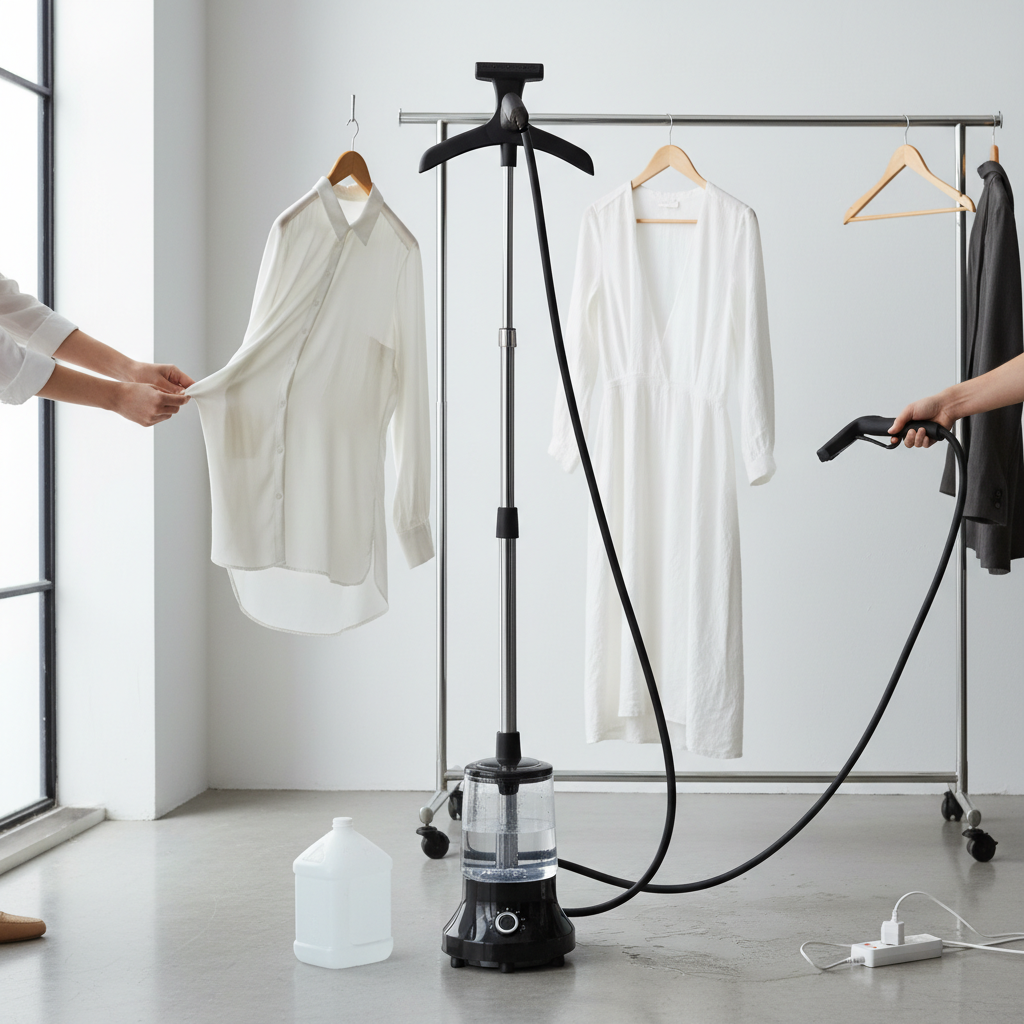
There’s little more frustrating than preparing for a smooth, wrinkle-free start to your day, only to discover your standing garment steamer isn’t producing any steam. This common issue can put a damper on your routine, leaving you with creased clothes and a sense of helplessness. But before you panic or consider replacing your appliance, know that many “no steam” problems have simple, identifiable solutions. Understanding the potential causes, from basic operational oversights to more complex internal blockages, is the first step toward restoring your steamer’s full functionality. This comprehensive guide will walk you through common culprits and provide actionable troubleshooting steps to get your standing garment steamer back to producing powerful steam, helping you maintain a polished wardrobe with ease.
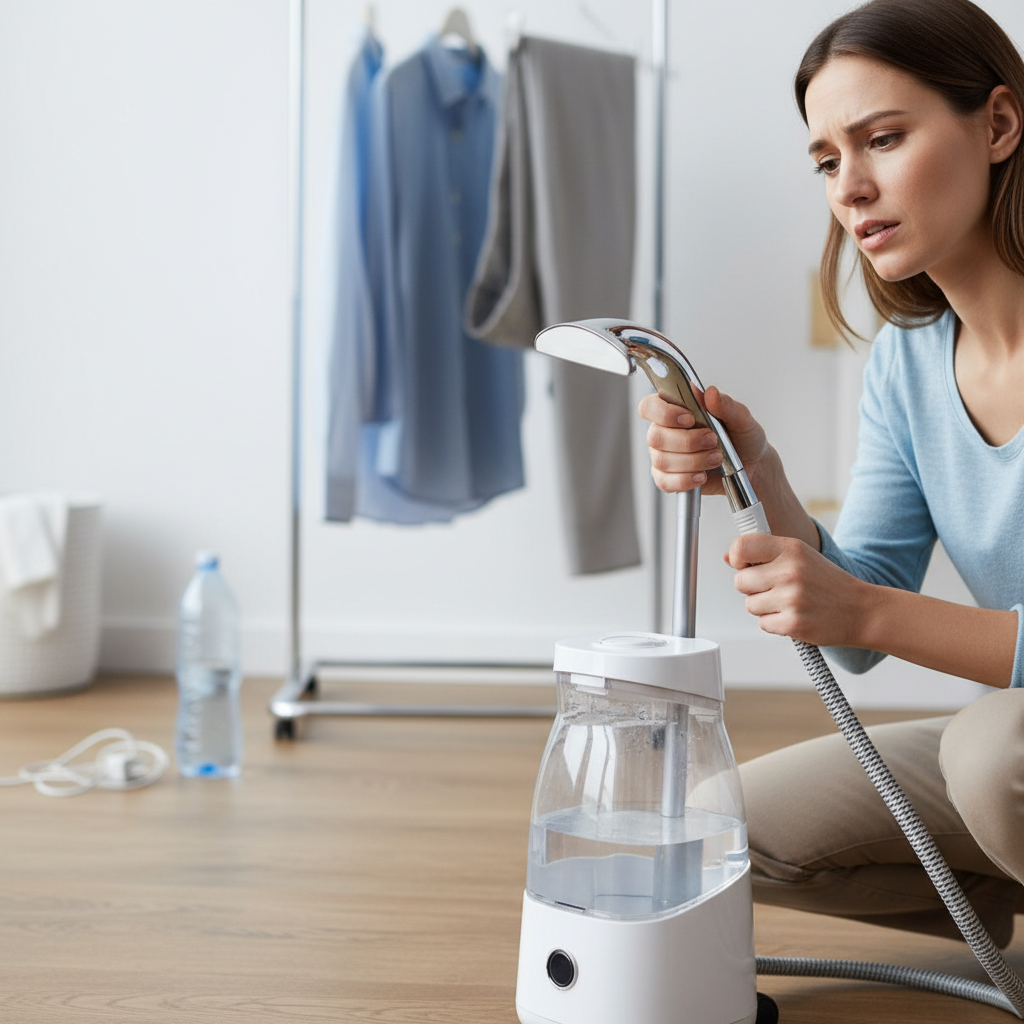
Understanding Your Standing Garment Steamer
Standing garment steamers are essential tools for quickly refreshing clothes, drapes, and upholstery without the hassle of an ironing board. They work by heating water to a high temperature, creating steam that relaxes fabric fibers, effectively removing wrinkles. Unlike traditional irons, steamers are gentle on delicate materials and prevent scorching, making them a versatile addition to any home. The core of their operation relies on a continuous supply of clean water, a functional heating element, and clear pathways for steam to travel from the reservoir to the nozzle. When any part of this system falters, the result is often a disappointing lack of steam, signaling that it’s time for a closer look.
Common Reasons Your Standing Garment Steamer Has No Steam
Encountering a garment steamer that refuses to produce steam can be perplexing, but the underlying issues are often quite common. Identifying the root cause is crucial for effective troubleshooting. From simple user errors to mineral buildup, several factors can disrupt the steam generation process.
Insufficient Water or Improper Tank Placement
One of the most straightforward reasons for a lack of steam is often overlooked. Your steamer cannot produce steam without a sufficient water supply.
- Empty Water Tank: The water reservoir may be empty or the water level might have dropped below the minimum fill line during use. Many steamers have a safety feature that prevents them from operating when water is low to protect the heating element.
- Water Tank Not Seated Correctly: If the water tank isn’t properly inserted into its base, the pump or gravity feed system might not be able to draw water into the heating chamber. This connection needs to be secure for water to flow.
- First-Time Use / Air in the System: For a brand-new steamer, it’s normal for it to take a minute or two to start producing steam. This is because the internal system needs time to draw water and circulate it for the first time, potentially purging any trapped air.
|
Our Picks for the Best Standing garment steamer in 2026
As an Amazon Associate I earn from qualifying purchases.
|
||
| Num | Product | Action |
|---|---|---|
| 1 | True & Tidy Heavy Duty Commercial Full Size Standing Garment Steamer for Clothes with Extra Large 3L (101 oz) Water Tank for 90+ mins of Steam Time, 1800 watts of Powerful Steam, 3 Settings, Gray |

|
| 2 | SALAV GS18 Full-Size Clothes Steamer - 1500W Power, 1.8L Water Tank, 60-Min Garment Steam, Iron Clothing, Adjustable Pole & Wheels for Easy Storage, Professional Standing Steamer for Clothes, White |
|
| 3 | Pure Enrichment PureSteam XL Standing Fabric Steamer - Professional Wrinkle Remover Heats in 45 Seconds; 1/2-Gallon Tank for 1 Hour of Steaming; Easy-Roll Wheels, Garment Hanger, & Fabric Brush |
|
| 4 | Upright Steamer for Clothes 1350W Turbo Boiler Standing Garment Steamer 1.6L Water Tank 1h Continuous Steam Flat&Hanging Ironing Double Retractable Rod 10 Modes 30s Fast Preheat for all Fabrics |
|
| 5 | SALAV Heavy Duty Commercial Full-Size Garment Steamer with Foot Pedals and Extra Large 3L (101.5 oz) Water Tank, 1800 watts, 90+min of Continuous Steam (White) |
|
| 6 | Jiffy Steamer J-2000 Jiffy Garment Steamer with Plastic Steam Head, 120 Volt, Beige |
|
| 7 | SALAV® Heavy Duty Smart Auto Shut-off Commercial Full-Size Garment Steamer, Beeping Alert when Water Runs out, Foot Pedal Control, XL 3L (101.5 oz) Tank, 1800 watts, 90+min of Continuous Steam, Navy |
|
| 8 | SALAV GS18-DJ Standing Garment Steamer with Roll Wheels for Easy Movement, 1.8L Water Tank for 1 Hour Continuous Steaming, Adjustable Pole for Storage, Includes Descaler Packet, 1500 watts |
|
| 9 | SALAV Heavy Duty Commercial Full-Size Garment Steamer with Foot Pedals and Extra Large 3L (101.5 oz) Water Tank, 1800 watts of Poweful Steam (Navy) |
|
| 10 | Garment Steamer for Clothes Standing, 1500W Efficient Clothes Steamer Standing with Wheels, Professional 58OZ Water Tank for Continuous Steaming, Fast Heating Wrinkle Remover |
|
Mineral Buildup and Clogged Components
Hard water is the nemesis of many steam-generating appliances. The minerals present in tap water, particularly calcium and magnesium, can accumulate over time.
- Limescale in Heating Element, Hose, or Nozzle: These mineral deposits, commonly known as limescale, can coat the heating element, reducing its efficiency. More critically, they can narrow or completely block the internal tubing, hoses, and the tiny steam holes in the nozzle, preventing steam from escaping. This is a very common cause of reduced or no steam output.
- Blocked Steam Holes: Visibly, the small holes on the steamer’s nozzle can become crusted with mineral residue, lint, or fabric fibers, acting as a physical barrier to steam release.
Condensation or Airlocks in the Hose
The design of standing garment steamers, with their long hoses, can sometimes lead to blockages not related to mineral deposits.
- Hose Kinked or Held Incorrectly: If the steam hose becomes kinked, bent, or held horizontally for too long, condensation can build up inside. This accumulation of water can create a blockage, preventing steam from flowing freely to the nozzle. Instead, you might hear gurgling sounds or experience spitting water droplets.
- Air Bubbles Obstructing Water Flow: An airlock can sometimes form in the water lines, trapping air and preventing water from reaching the heating element or circulating properly. This can occur if the water tank runs dry or if the unit is moved abruptly.
Power Supply and Heating Element Issues
For a steamer to generate steam, it needs consistent power and a functional heating mechanism. Problems here can completely halt steam production.
- No Power: The steamer might simply not be receiving power. This could be due to an unplugged cord, a tripped circuit breaker, a faulty wall outlet, or a damaged power cord. Without power, the heating element cannot operate.
- Steamer Not Heated Sufficiently: Most steamers require a short warm-up period, typically 45 to 60 seconds, before they are ready to produce steam. If you try to use it too soon, it won’t produce steam. Many models have an indicator light that changes color or stops blinking when ready.
- Faulty Heating Element: The heating element is responsible for turning water into steam. If this component is burnt out or malfunctioning, the water will not reach the necessary temperature, resulting in no steam, even if water and power are supplied correctly. This usually requires professional repair or replacement.
Step-by-Step Troubleshooting for No Steam Output
When your standing garment steamer fails to produce steam, a systematic approach to troubleshooting can help you pinpoint and resolve the problem. Start with the simplest checks before moving to more involved solutions.
Initial Checks: Power and Water
Begin by confirming the basic operational requirements for your steamer. These steps are quick and often resolve the issue.
- Verify Power Connection and Outlet: First, ensure the steamer’s power cord is securely plugged into both the unit and a working electrical outlet. Try plugging another appliance into the same outlet to confirm it’s functional. Check your home’s circuit breaker box to see if any breakers have tripped. Also, inspect the power cord for any visible damage, kinks, or frayed wires that could interrupt power flow.
- Check Water Level and Reseat Tank: Always make sure the water tank is filled with water above the minimum line. If it’s already full, remove the water tank and then firmly reinsert it to ensure it’s properly seated and creating a good seal. This ensures the water can be drawn into the heating system.
- Prime New Steamers: If it’s your steamer’s first use, it may take a minute or more for water to circulate and steam to emerge. Press and hold the steam trigger for about 60 seconds to help prime the pump and encourage water circulation.
Addressing Clogs and Mineral Deposits (Descaling)
Mineral buildup is a prevalent issue, especially if you use tap water regularly. Descaling is key to clearing these blockages.
- Descale with Vinegar Solution: White vinegar is an excellent natural descaling agent.
- Unplug your steamer and allow it to cool completely.
- Empty any remaining water from the tank.
- Mix a solution of equal parts white vinegar and distilled water. Fill the water tank about halfway with this mixture.
- Plug in the steamer and turn it on. Allow it to heat up and run the steaming cycle until about half of the solution has been used or until you see steam again.
- Turn off and unplug the steamer, letting it cool down.
- Empty the remaining vinegar solution.
- Rinse the water tank thoroughly with clean, distilled water. Then, fill the tank with only distilled water and run the steamer for a few minutes to flush out any residual vinegar and loosened mineral particles. Repeat the clear water flush multiple times until no vinegar smell remains.
- Clean Nozzle Holes Manually: After descaling, inspect the steam nozzle. Use a small brush, a toothpick, or a pin to gently clear any visible mineral residue, lint, or debris from the individual steam holes. Be careful not to damage the nozzle plate.
Clearing Hose Obstructions
Condensation and airlocks are common culprits for intermittent or absent steam.
- Straighten and Elevate the Hose: If you hear gurgling or notice water spitting, condensation might be trapped. Lift the steamer head to straighten the hose vertically and hold it in an upright position for a few seconds. This allows condensed water to drain back into the reservoir, clearing the steam pathway.
- Shake Steamer to Dislodge Airlocks: Sometimes, an air bubble can get trapped in the water supply. With the steamer on and heating, gently shake the unit up and down for a short period. This can help dislodge the airlock and allow water to flow freely.
When to Seek Professional Help or Consider Replacement
While many issues are user-fixable, some problems indicate a deeper malfunction.
- Signs of a Faulty Heating Element or Internal Component: If your steamer is powered on, has water, and is clear of blockages, but still isn’t heating up or producing steam, the heating element or other internal electronic components might be faulty. In such cases, the unit may require professional repair. This is often indicated by the absence of heat around the heating chamber or a cold steam head even after the warm-up period.
- Consider Warranty and Replacement: If your steamer is still under warranty, contact the manufacturer for assistance. For older models with significant internal failures, the cost of repair might outweigh the cost of a new unit.
“Many simple steamer issues can be resolved with basic checks and maintenance without needing to open the unit. By understanding the typical causes and fixes, you save time and extend your steamer’s life.”
Preventing Future No Steam Issues: Maintenance Tips
Proactive maintenance is the best way to prevent your standing garment steamer from encountering “no steam” issues. Regular care not only ensures consistent performance but also extends the lifespan of your appliance.
Using the Right Water
The type of water you use significantly impacts your steamer’s health.
- Distilled vs. Tap Water: Always use distilled or demineralized water in your garment steamer. Tap water, especially in hard water areas, contains minerals that lead to limescale buildup, which is the primary cause of clogs and reduced steam output over time. While some manufacturers claim their models can use tap water, using distilled water is a foolproof way to minimize mineral deposits.
- Empty After Each Use: Never leave water standing in the tank after you’re done steaming. Emptying the reservoir prevents stagnant water from fostering bacterial growth and minimizes the chance of mineral residue accumulating.
Regular Cleaning and Descaling Schedule
A consistent cleaning routine is vital for maintaining optimal steam production.
- Monthly Descaling: If you use your steamer frequently or live in an area with particularly hard water, perform a descaling process monthly using the white vinegar solution described previously. For occasional users, cleaning every two to three months should suffice.
- Nozzle and Hose Inspection: Regularly inspect the steam nozzle for any visible blockages and clear them as needed. Check the hose for signs of kinks or excessive condensation.
- Exterior Cleaning: Wipe down the steamer’s exterior with a dry cloth after each use to remove moisture and prevent rust.
Proper Storage and Handling
How you store and handle your steamer can also impact its long-term performance.
- Store Dry: Ensure all components, especially the water tank and hose, are thoroughly dry before storing the steamer. Store it in a dry area to prevent corrosion and mildew.
- Upright Position: Store your standing garment steamer in an upright position. This helps prevent kinks in the hose and reduces the chance of condensation becoming trapped.
- Avoid Overfilling: Never overfill the water tank. Adhere to the maximum fill line to ensure proper operation and prevent spills or damage.
Conclusion
A standing garment steamer that isn’t producing steam can be a frustrating hurdle, but with a clear understanding of common issues and systematic troubleshooting, you can often restore your appliance to full working order. From ensuring proper power and water supply to tackling stubborn mineral buildup with a simple vinegar solution, most problems can be resolved with a bit of patience and effort. Remember, consistent maintenance, especially using distilled water and regular descaling, is your best defense against future “no steam” dilemmas. By following these practical tips, you can extend the life of your steamer and continue to enjoy perfectly pressed garments. Isn’t it time to get back to effortless wrinkle removal?
Câu Hỏi Thường Gặp
My standing garment steamer makes noise but no steam comes out. What’s wrong?
If your steamer is making noise but producing no steam, it often indicates the pump is working but water isn’t reaching the heating element or steam is blocked. Check the water level, ensure the tank is seated correctly, and look for clogs or airlocks in the hose. Descaling might be necessary to clear internal blockages.
Can I use tap water in my standing garment steamer?
While some manufacturers say tap water is acceptable, it’s highly recommended to use distilled or demineralized water. Tap water contains minerals that will build up as limescale over time, leading to clogs and eventual loss of steam output, reducing your steamer’s lifespan.
How often should I descale my standing garment steamer?
The frequency of descaling depends on usage and local water hardness. For frequent users or hard water areas, monthly descaling with a vinegar solution is advised. If you use your steamer occasionally or with distilled water, every two to three months should be sufficient.
What should I do if my steamer’s hose is spitting water instead of steam?
Water spitting usually means condensation is trapped in the hose. Lift the steamer head and straighten the hose vertically to allow the condensed water to drain back into the reservoir. This helps clear the pathway for steam to flow freely.
My steamer worked once, but now has no steam. Is it broken?
For a new steamer, a single use followed by no steam could mean an initial airlock or that the water system wasn’t fully primed. Try holding the steam trigger down for a minute. If it’s an older steamer, re-check water levels and consider descaling, as mineral buildup can quickly accumulate.