Pleated skirts exude an undeniable elegance, adding texture and sophistication to any ensemble. Yet, their unique structure often presents a common dilemma for garment care: how do you remove wrinkles without compromising those pristine folds? The answer lies not with a traditional iron, which can flatten and damage delicate pleats, but with the gentle, effective power of vertical steaming. This comprehensive guide will walk you through the precise steps and expert tips for vertically steaming your pleated skirts, ensuring they remain flawlessly crisp and beautiful for years to come. Embracing the right steaming technique transforms garment care from a chore into an art, preserving the charm and longevity of your cherished pleated pieces.
Understanding the Magic of Vertical Steaming for Pleated Skirts
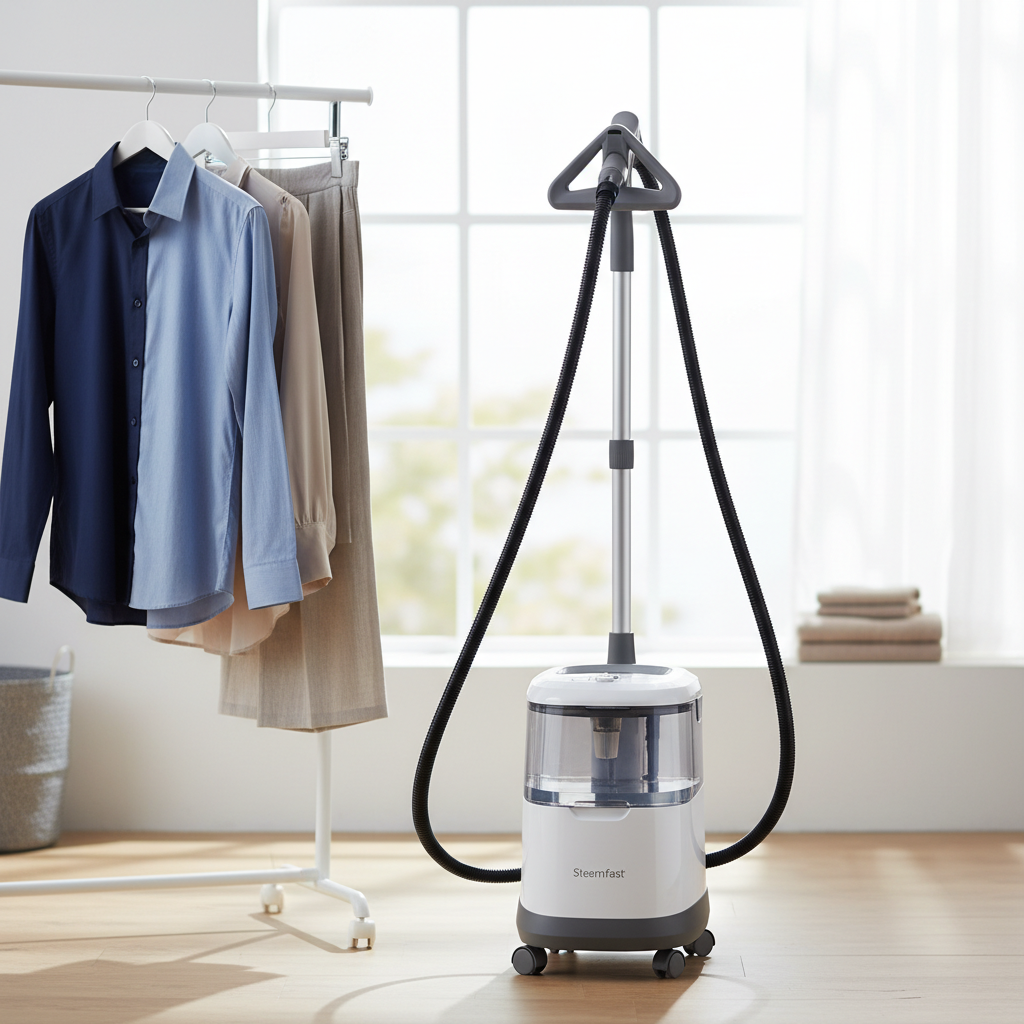
A standing garment steamer, also known as a vertical steamer, is an appliance designed to release hot steam to relax fabric fibers and remove wrinkles without direct contact or pressure. Unlike flat irons that press fabric between two hot plates, a garment steamer works by penetrating fibers with steam, allowing them to soften and smooth out naturally as the garment hangs.
For pleated skirts, vertical steaming is not just a preference; it’s a necessity. Traditional ironing can easily flatten the meticulously crafted pleats, undoing their shape and potentially damaging the fabric with excessive heat and pressure. Steaming, conversely, is far gentler, making it the ideal method for maintaining the integrity of each fold while effortlessly releasing wrinkles. It rejuvenates fabrics, removes odors, and ensures your skirt retains its original, crisp silhouette.
Types of Garment Steamers for Pleated Skirts
Choosing the right garment steamer can significantly impact your experience and the results you achieve with pleated skirts. Steamers come in various configurations, each suited to different needs and frequencies of use.
By Power
The wattage of a steamer often correlates with its heating speed and steam output.
- Small Wattage (e.g., 800-1200W): These models are typically handheld, compact, and ideal for quick touch-ups or travel. They heat up quickly but may have a less powerful steam output, requiring more passes for stubborn wrinkles.
- Large Wattage (e.g., 1500W+): Often found in standing or professional models, higher wattage steamers produce more continuous and powerful steam. They are excellent for heavy-duty use, tackling larger quantities of clothing, and achieving faster, more efficient results on various fabrics.
|
Our Picks for the Best Standing garment steamer in 2026
As an Amazon Associate I earn from qualifying purchases.
|
||
| Num | Product | Action |
|---|---|---|
| 1 | True & Tidy Heavy Duty Commercial Full Size Standing Garment Steamer for Clothes with Extra Large 3L (101 oz) Water Tank for 90+ mins of Steam Time, 1800 watts of Powerful Steam, 3 Settings, Gray |

|
| 2 | Garment Steamer for Clothes Standing, 1500W Efficient Clothes Steamer Standing with Wheels, Professional 58OZ Water Tank for Continuous Steaming, Fast Heating Wrinkle Remover |
|
| 3 | Jiffy Steamer J-2000 Jiffy Garment Steamer with Plastic Steam Head, 120 Volt, Beige |
|
| 4 | SALAV Heavy Duty Commercial Full-Size Garment Steamer with Foot Pedals and Extra Large 3L (101.5 oz) Water Tank, 1800 watts, 90+min of Continuous Steam (White) |
|
| 5 | Pure Enrichment PureSteam XL Standing Fabric Steamer - Professional Wrinkle Remover Heats in 45 Seconds; 1/2-Gallon Tank for 1 Hour of Steaming; Easy-Roll Wheels, Garment Hanger, & Fabric Brush |
|
| 6 | SALAV GS18-DJ Standing Garment Steamer with Roll Wheels for Easy Movement, 1.8L Water Tank for 1 Hour Continuous Steaming, Adjustable Pole for Storage, Includes Descaler Packet, 1500 watts |
|
| 7 | SALAV Heavy Duty Commercial Full-Size Garment Steamer with Foot Pedals and Extra Large 3L (101.5 oz) Water Tank, 1800 watts of Poweful Steam (Navy) |
|
| 8 | SALAV GS18 Full-Size Clothes Steamer - 1500W Power, 1.8L Water Tank, 60-Min Garment Steam, Iron Clothing, Adjustable Pole & Wheels for Easy Storage, Professional Standing Steamer for Clothes, White |
|
| 9 | Upright Steamer for Clothes 1350W Turbo Boiler Standing Garment Steamer 1.6L Water Tank 1h Continuous Steam Flat&Hanging Ironing Double Retractable Rod 10 Modes 30s Fast Preheat for all Fabrics |
|
| 10 | SALAV® Heavy Duty Smart Auto Shut-off Commercial Full-Size Garment Steamer, Beeping Alert when Water Runs out, Foot Pedal Control, XL 3L (101.5 oz) Tank, 1800 watts, 90+min of Continuous Steam, Navy |
|
By Tank Capacity
The water tank size determines how long you can steam continuously before needing a refill.
- Small Tank (e.g., 100-200ml): Common in handheld steamers, these are perfect for one or two garments. Their compact size makes them portable and convenient for on-the-go refreshing.
- Large Tank (e.g., 1-2.5L): Standard in standing garment steamers, a larger tank allows for extended steaming sessions, ideal for multiple garments or intricate pieces like pleated skirts that require more time. This reduces interruptions for refills, streamlining your garment care routine.
By Features
Modern steamers offer a range of features that enhance their usability and versatility.
- Adjustable Steam Settings: Crucial for pleated skirts, especially those made from delicate fabrics. This feature allows you to control the steam intensity, preventing damage to sensitive materials while providing enough power for tougher wrinkles.
- Attachments: Many steamers come with various accessories, such as fabric brushes for lint removal, crease attachments to help define pleats, and different hanger options for easy garment positioning.
- Safety Features: Auto-shutoff functions, cool-touch hoses, and overheat protection are common safety additions that provide peace of mind during use.
- Built-in Hangers and Poles: Standing steamers often include adjustable poles and integrated hangers, making it incredibly convenient to hang and manipulate your pleated skirt vertically for steaming.
Comparison of Popular Vertical Garment Steamers
When selecting a standing garment steamer for your pleated skirts, consider these factors which often feature in product comparisons. While specific brands and models constantly evolve, understanding these criteria will guide your choice.
| Feature | Small/Handheld Steamer (Typical Range) | Standing/Full-Size Steamer (Typical Range) | Benefit for Pleated Skirts |
|---|---|---|---|
| Brand | Various travel/household brands | Reputable appliance brands | Reliability and customer support. |
| Wattage | 800-1200W | 1500-2000W+ | Higher wattage means faster heat-up and more powerful steam for crisp pleats. |
| Tank Capacity | 100-200ml | 1.5-2.5L | Larger capacity for continuous steaming, ideal for multiple or larger skirts. |
| Price | $20-$60 | $80-$200+ | Budget-friendly for occasional use vs. investment for frequent/heavy use. |
| Rating | 3.5-4.5 stars | 4.0-5.0 stars | Indicates user satisfaction and effectiveness for garment care. |
| Key Features | Compact, travel-friendly | Continuous steam, hanger, attachments, variable settings | Essential for delicate pleats and ease of use. |
This table illustrates the general characteristics and advantages of different steamer types. For example, a higher wattage and larger tank capacity typically mean more efficient and prolonged steaming sessions, which can be invaluable when working with a garment like a pleated skirt.
The Essential Guide to Vertically Steaming Your Pleated Skirts
Steaming a pleated skirt effectively requires patience and precision. Follow these steps to achieve perfectly smooth, crisp pleats without damage.
Preparing Your Pleated Skirt and Steamer
Before you even turn on your steamer, proper preparation is key.
- Check the Care Label: Always begin by inspecting the garment’s care label. While most pleated skirts can be steamed, some delicate fabrics or specific treatments might require special handling or professional care.
- Hang the Skirt Properly: Hang your pleated skirt on a sturdy skirt hanger with soft clips. Ensure the skirt hangs freely, allowing its pleats to fall naturally. Proper hanging prevents new creases from forming and helps the pleats align before steaming. Some experts suggest using padded hangers to avoid marks.
- Fill Steamer with Distilled Water: Always use distilled water in your garment steamer. Tap water contains minerals that can build up inside the steamer, leading to clogs, sputtering, and potentially leaving water spots on your skirt. Fill the tank to the recommended level, avoiding overfilling.
- Allow Steamer to Heat Up Fully: Plug in your steamer and wait for it to reach its full operating temperature. Most steamers have an indicator light that signals when it’s ready. Rushing this step can result in inconsistent steam or water spitting.
Mastering the Vertical Steaming Technique
The technique you use is paramount to preserving the integrity of your pleats.
- Position and Hold: Gently pull the bottom hem of the skirt taut with your free hand. Do not stretch or pull too hard, as this can distort the fabric. The idea is to create a flat, stable surface for the steam to work on.
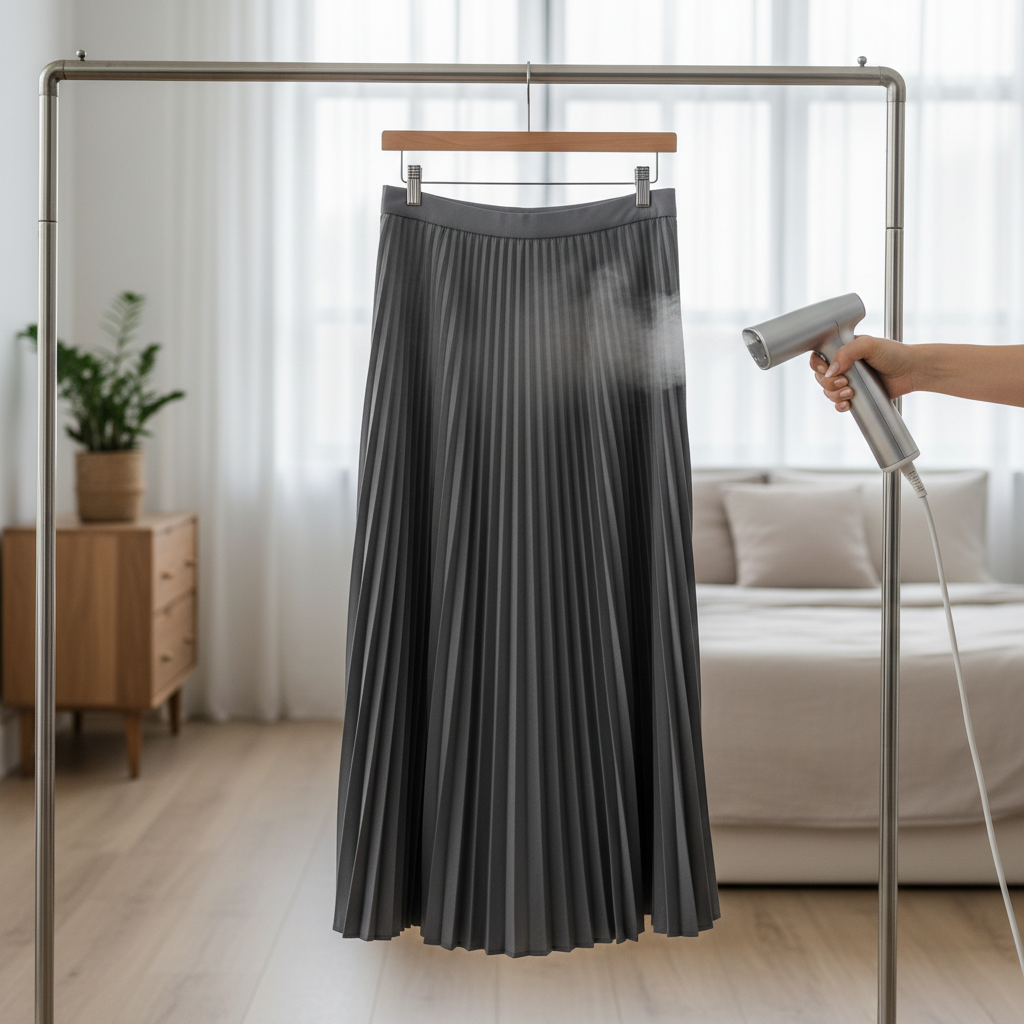
- Steam With the Pleats, Not Across Them: This is the golden rule for pleated garments. Glide the steamer head downwards, following the natural direction of each pleat. Moving across the pleats can flatten them or create new, unwanted creases.
- Distance from Fabric: For most fabrics, hold the steamer head 1-2 inches away from the skirt. For particularly delicate materials like silk or chiffon, increase the distance to 4-6 inches or use a lower steam setting to prevent damage. Some heavier fabrics might allow for closer contact.
- Avoid Over-Saturating: A little mist is all it takes. Move the steamer steadily and avoid lingering too long in one spot, which can over-saturate the fabric and cause dampness or water marks. The steam relaxes the fibers; you don’t need to soak the garment.
- Working in Sections: Tackle the skirt section by section, carefully realigning pleats as you go. For deep or accordion pleats, you might need to manually press the pleats together with your free hand just ahead of the steamer head to help redefine them as you steam downwards.
- Redefine Loose Pleats: If a pleat has lost its crispness, you can gently guide it back into place with your fingers while steaming. Apply steam along the newly formed fold to set it.
“The secret to impeccable pleated skirts lies in the direction of your steam. Always follow the natural fall of the pleats; never work against them. This mindful approach respects the fabric’s engineered design, ensuring lasting crispness.” – Maria Chen, Master Tailor and Fabric Care Specialist
Special Considerations for Different Fabrics
Different fabrics react differently to steam. Tailoring your technique is essential.
- Delicate Fabrics (e.g., Silk, Chiffon, Rayon): Use a lower steam setting if your steamer has one. Hold the steamer further away from the fabric (e.g., 4-6 inches) and work quickly. It’s always a good practice to test the steamer on an inconspicuous area first, like an inside seam, to observe how the fabric reacts.
- Heavier Fabrics (e.g., Wool, Polyester Blends): These fabrics can typically withstand more direct and prolonged steam. You might be able to hold the steamer a bit closer (1-2 inches) and apply steam for longer to penetrate the thicker fibers and effectively remove wrinkles. Polyester is particularly good at holding pleats, but still benefits from careful vertical steaming.
Tips for Maintaining Pleats and Steamer Longevity
Beyond the steaming process itself, proper post-steaming care and steamer maintenance contribute significantly to the longevity of your pleated skirts and your appliance.
Post-Steaming Care
The moments immediately after steaming are crucial for setting the pleats.
- Allow to Cool and Dry Completely: Once steamed, let your skirt hang freely in a well-ventilated area until it is completely cool and dry. This allows the fabric fibers to set in their newly smooth, pleated form. Wearing or storing a damp skirt can lead to new wrinkles, mildew, or a loss of pleat definition.
- Proper Storage: Store pleated skirts on skirt hangers with soft clips, ensuring the pleats are aligned. For longer storage or travel, rolling the skirt from the waistband down, with tissue paper between layers, can help preserve its structure. Avoid folding them or cramming them into tight drawers.
Steamer Maintenance
A well-maintained steamer ensures optimal performance and a longer lifespan.
- Use Distilled Water Only: This cannot be stressed enough. Distilled water prevents mineral buildup, which can cause sputtering, reduced steam output, and damage to the heating element.
- Regular Cleaning and Descaling: Refer to your steamer’s manual for specific cleaning instructions. Regularly clean the diffuser head to prevent lint or residue buildup. Descaling (removing mineral deposits) is vital for maintaining efficient operation, especially if you occasionally use tap water by mistake.
- Empty Water Tank After Use: Always empty any remaining water from the tank after each use. This prevents stagnation and mineral accumulation, keeping your steamer fresh and ready for its next task.
Common Pleat-Related Issues and Troubleshooting
Even with the best techniques, challenges can arise.
- Pleats Losing Shape: If pleats become soft or lose their definition, re-steam them carefully following the vertical technique, paying extra attention to manually guiding each fold. For very stubborn cases, or if the fabric is heavily creased, a professional may be able to re-pleat the garment.
- Water Spots: Water spots usually indicate using tap water, over-saturating the fabric, or a dirty steamer. Ensure you use distilled water, avoid excessive steam in one area, and regularly clean your steamer. If spots occur, gentle blotting with a clean, dry cloth might help, or a light re-steaming from a distance.
Why a Steamer is Your Pleated Skirt’s Best Friend
A garment steamer is an indispensable tool for anyone who loves and wears pleated skirts. Its gentle, non-contact method of wrinkle removal is specifically suited to the delicate nature of pleats, preserving their architectural beauty without the risk of flattening or scorching that comes with traditional irons. Not only does steaming keep your skirts looking pristine, but it also helps extend their lifespan by reducing wear and tear on the fabric. It’s a quicker, more convenient, and ultimately superior method for maintaining the elegant drape and crisp folds that make pleated skirts so captivating.
Conclusion
Maintaining the captivating elegance of pleated skirts doesn’t have to be a daunting task. By embracing the gentle yet powerful technique of vertical steaming, you can effortlessly smooth out wrinkles and preserve the sharp, beautiful pleats that make these garments so special. Remember to prepare your skirt and steamer correctly, always steam along the direction of the pleats, and provide adequate care post-steaming. With these expert insights and a little practice, your pleated skirts will always look as pristine as the day you first fell in love with them. Ready to transform your garment care routine and keep your pleats perfect?
Frequently Asked Questions
Can I use an iron instead of a steamer for pleated skirts?
While an iron can be used with extreme caution and a pressing cloth, a vertical steamer is highly recommended for pleated skirts. Irons apply direct heat and pressure, which can easily flatten and permanently damage the delicate pleats, whereas a steamer gently relaxes fibers without direct contact.
What kind of water should I use in my garment steamer?
You should always use distilled water in your garment steamer. Tap water contains minerals that can accumulate, clog the steamer, and potentially leave unsightly water spots or mineral residue on your pleated skirt.
How do I prevent pleats from losing their shape after steaming?
To maintain pleat shape, ensure you steam with the pleats, not across them. After steaming, let the skirt hang freely until it is completely cool and dry before wearing or storing. Proper storage on a skirt hanger also helps preserve their form.
Can I steam delicate fabrics like silk or chiffon pleated skirts?
Yes, delicate fabrics can be steamed. Use a lower steam setting if available, and hold the steamer head further away from the fabric (e.g., 4-6 inches). Always test on an inconspicuous area first to ensure the fabric reacts well.
How often should I steam my pleated skirt?
Steam your pleated skirt as needed, typically after a few wears or if it has developed wrinkles during storage. Steaming not only removes creases but also refreshes the fabric, making it a good routine for extending garment life.