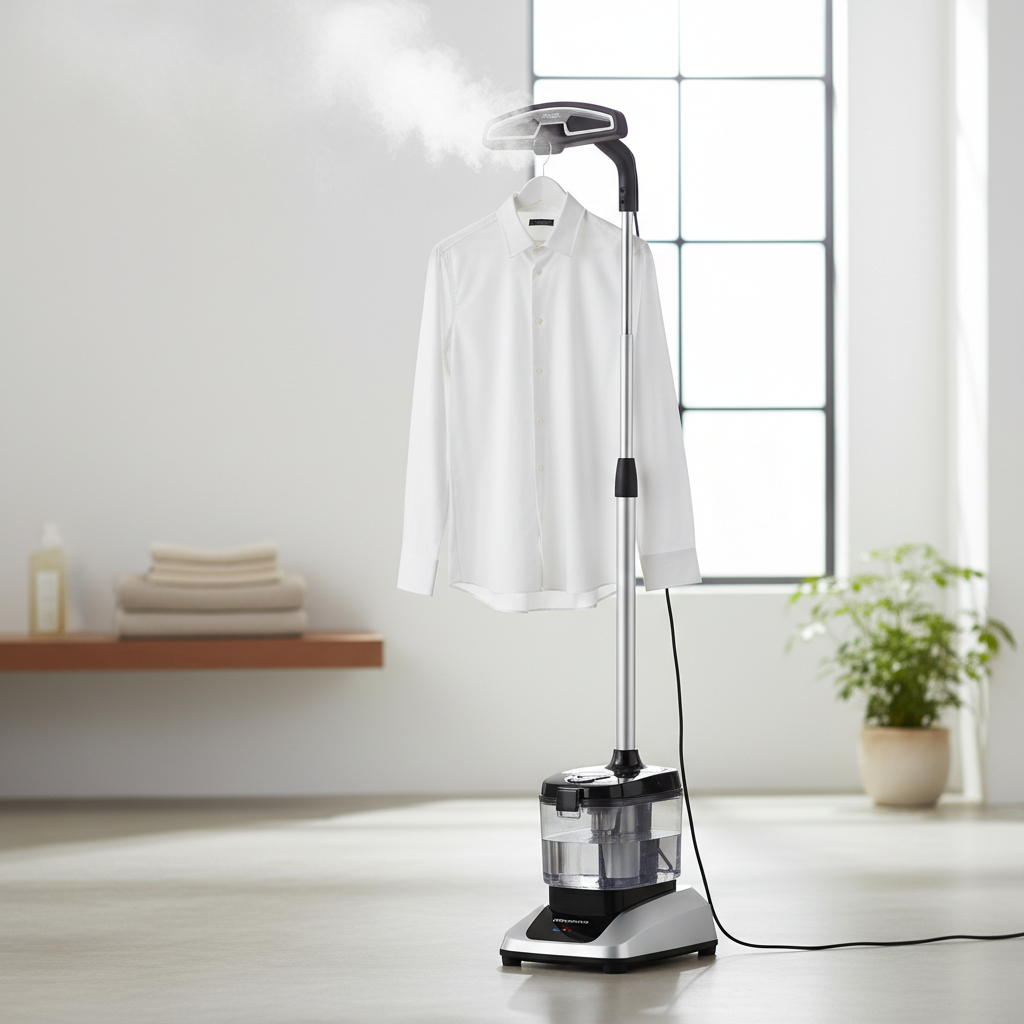
Achieving a perfectly wrinkle-free wardrobe often hinges on having the right tools, and for many, a standing garment steamer is an indispensable ally. Beyond raw steam power and tank capacity, a crucial, yet often overlooked, factor in a steamer’s effectiveness and user comfort is its hose length and overall reach. This guide delves into the significance of these elements, comparing different options and offering expert advice to help you select a standing garment steamer that truly extends your steaming capabilities.
What is a Standing Garment Steamer?
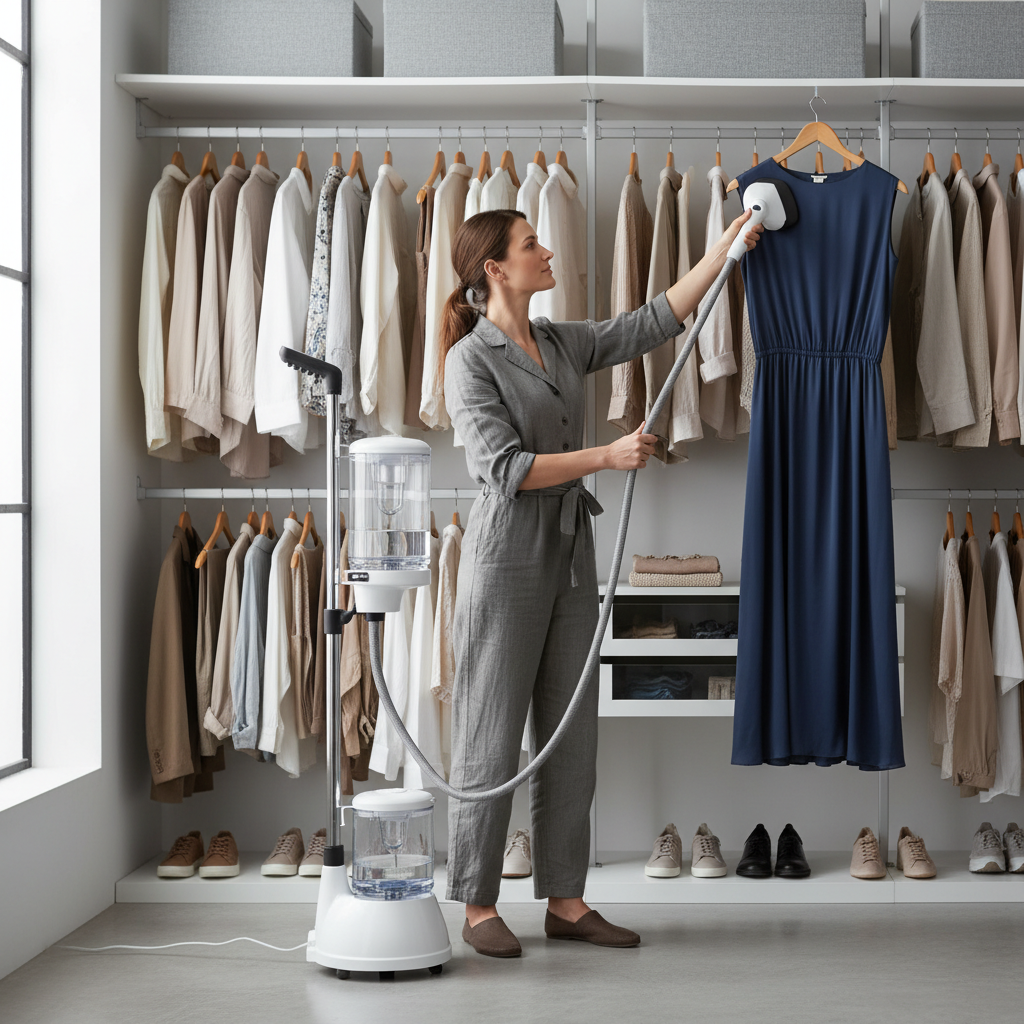
A standing garment steamer, also known as an upright or vertical steamer, is a freestanding appliance designed to remove wrinkles from fabrics using a continuous flow of hot steam. It typically consists of a base unit housing a water tank and heating element, an adjustable telescopic pole, and a flexible hose terminating in a steam nozzle. Unlike traditional irons, steamers work by relaxing fabric fibers, making them gentle on delicate materials and ideal for items difficult to iron, such as suits, dresses, and drapes. The hose acts as the conduit for the steam, directly influencing how easily and effectively you can maneuver the nozzle around your garments and household fabrics.
Understanding Standing Garment Steamer Hose Length and Reach
Hose length refers to the physical measurement of the flexible tube that connects the steamer’s base to its nozzle. This seemingly simple specification profoundly impacts your ability to steam various items without constantly repositioning the entire unit. “Reach,” however, is a broader concept that encompasses not just the hose length but also the adjustability of the telescopic pole and the design of the steam head. Optimal reach ensures you can comfortably steam from the top of a long gown to the bottom hem of curtains without straining or bending excessively.
Different hose lengths cater to distinct needs. Shorter hoses, often around 4-5 feet, are generally suited for garments hung directly on the steamer’s integrated hanger. Longer hoses, extending 7 feet or more, provide enhanced flexibility for larger items or when the steamer’s base needs to remain stationary. The construction of the hose also plays a vital role; double-insulated hoses are superior as they maintain steam temperature more effectively and keep the hose surface cooler, improving both efficiency and safety. Furthermore, a kink-free hose is essential for an uninterrupted and consistent steam flow, ensuring optimal performance.
Types of Standing Garment Steamer Hoses
The variations in standing garment steamer hoses can significantly influence their performance and suitability for different tasks. Understanding these types is key to making an informed choice.
By Length
Steamer hoses typically come in a range of lengths, each offering distinct advantages:
- Standard Length Hoses (approximately 4-6 feet): These are common for many home-use standing steamers and are designed to comfortably steam garments hung on the steamer’s built-in pole. While adequate for daily clothing, they might limit reach for very long items or when steaming items not directly adjacent to the steamer.
- Extended Length Hoses (approximately 7-14 feet): Found on more powerful or professional-grade models, these longer hoses provide exceptional maneuverability. They are particularly beneficial for steaming large items like curtains, upholstery, or multiple garments in succession without moving the base unit. Some professional models, such as Chief Steamers, offer 12-foot or 14-foot hoses. However, it’s worth noting that some longer hoses are specifically designed for drapery and may not be ideal for garments.
|
Our Picks for the Best Standing garment steamer in 2026
As an Amazon Associate I earn from qualifying purchases.
|
||
| Num | Product | Action |
|---|---|---|
| 1 | Jiffy Steamer J-2000 Jiffy Garment Steamer with Plastic Steam Head, 120 Volt, Beige |

|
| 2 | Pure Enrichment PureSteam XL Standing Fabric Steamer - Professional Wrinkle Remover Heats in 45 Seconds; 1/2-Gallon Tank for 1 Hour of Steaming; Easy-Roll Wheels, Garment Hanger, & Fabric Brush |
|
| 3 | SALAV Heavy Duty Commercial Full-Size Garment Steamer with Foot Pedals and Extra Large 3L (101.5 oz) Water Tank, 1800 watts of Poweful Steam (Navy) |
|
| 4 | SALAV Heavy Duty Commercial Full-Size Garment Steamer with Foot Pedals and Extra Large 3L (101.5 oz) Water Tank, 1800 watts, 90+min of Continuous Steam (White) |
|
| 5 | SALAV GS18-DJ Standing Garment Steamer with Roll Wheels for Easy Movement, 1.8L Water Tank for 1 Hour Continuous Steaming, Adjustable Pole for Storage, Includes Descaler Packet, 1500 watts |
|
| 6 | SALAV® Heavy Duty Smart Auto Shut-off Commercial Full-Size Garment Steamer, Beeping Alert when Water Runs out, Foot Pedal Control, XL 3L (101.5 oz) Tank, 1800 watts, 90+min of Continuous Steam, Navy |
|
| 7 | Garment Steamer for Clothes Standing, 1500W Efficient Clothes Steamer Standing with Wheels, Professional 58OZ Water Tank for Continuous Steaming, Fast Heating Wrinkle Remover |
|
| 8 | True & Tidy Heavy Duty Commercial Full Size Standing Garment Steamer for Clothes with Extra Large 3L (101 oz) Water Tank for 90+ mins of Steam Time, 1800 watts of Powerful Steam, 3 Settings, Gray |
|
| 9 | Upright Steamer for Clothes 1350W Turbo Boiler Standing Garment Steamer 1.6L Water Tank 1h Continuous Steam Flat&Hanging Ironing Double Retractable Rod 10 Modes 30s Fast Preheat for all Fabrics |
|
| 10 | SALAV GS18 Full-Size Clothes Steamer - 1500W Power, 1.8L Water Tank, 60-Min Garment Steam, Iron Clothing, Adjustable Pole & Wheels for Easy Storage, Professional Standing Steamer for Clothes, White |
|
By Construction
The materials and design of a steamer hose are critical for durability, steam quality, and user safety:
- Insulation: Hoses can be single or double-insulated. A double-insulated hose is highly recommended as it helps maintain the steam’s temperature more consistently from the boiler to the nozzle, resulting in more effective wrinkle removal. It also prevents the hose surface from becoming too hot to touch, enhancing user safety.
- Flexibility and Kink-Resistance: A good quality hose should be flexible enough to move freely without kinking. Kinks can block the steam pathway, leading to inconsistent steam output or even damage to the unit. Materials like durable rubber or fabric-covered hoses are often chosen for their balance of flexibility and robustness.
By Features Affecting Reach
Beyond the hose itself, other design elements of a standing garment steamer contribute to its overall reach and usability:
- Adjustable Telescopic Poles: Most standing steamers feature a pole that can be extended or retracted. This adjustability is vital for customizing the steaming height to match the garment or user’s height, reducing the need to bend or strain. Some models even feature “FlexHead technology” or similar designs that allow easier access to the bottom of garments without excessive bending.
- Specialized Nozzles and Attachments: The steam head’s design and any included attachments can enhance reach and targeting. Pointed tips or specialized brushes can help reach into tight corners, around buttons, or penetrate thicker fabrics more effectively.
Comparison Table: Hose Length and Reach Across Popular Standing Garment Steamers
To illustrate the variety, here’s a comparison of common standing garment steamers focusing on their hose length and features that enhance reach:
| Brand/Model | Hose Length (Approx.) | Adjustable Pole | Special Reach Features | Ideal Use Case |
|---|---|---|---|---|
| Pure Enrichment PureSteam XL | 5 feet | Yes | – | Daily garments, quick touch-ups |
| Jiffy Steamer J-2000 | 5.5 feet (garment) | Yes | Robust steam head | Heavy-duty, home & light commercial |
| SALAV GS42-DJ | 4.6 feet | Yes | Double-insulated hose | Daily use, drapes, upholstery |
| Chief Steamer (Professional) | 12-14 feet | Yes | Industrial-grade length | Commercial, large-scale drapery, upholstery |
Note: Hose lengths can vary slightly between product iterations or specific configurations. Always check the manufacturer’s specifications.
Buying Guide: How to Choose the Right Standing Garment Steamer Based on Hose Length and Reach
Selecting the perfect standing garment steamer requires thoughtful consideration of how hose length and reach align with your specific needs.
Identify Your Needs
Start by evaluating your primary steaming tasks:
- Daily Ironing or Quick Touch-ups: If you mainly steam a few items of clothing for daily wear, a standard hose length (around 5-6 feet) combined with an adjustable pole might suffice. The emphasis here is on quick heat-up and ease of use.
- Steaming Large Quantities or Items: For extensive wardrobes, commercial use, or tackling bulky items like curtains, drapes, and upholstery, a longer hose is invaluable. A longer hose allows you to reach across wider fabrics or around furniture without moving the entire steamer unit, saving significant time and effort.
- Ironing Different Fabrics: While hose length doesn’t directly dictate fabric compatibility, a longer, more flexible hose makes it easier to handle awkward or delicate fabrics that require more careful manipulation.
Factors to Consider
Once you’ve identified your needs, focus on these key factors:
- Hose Length: This is paramount for comfortable and efficient steaming. Consider the height of your longest garments or drapes and ensure the hose, in combination with the telescopic pole, provides ample reach without causing you to stretch or strain. A good rule of thumb is to have enough length to comfortably reach the top of a hanging garment while standing upright.
- Hose Flexibility and Material: A flexible, kink-resistant hose is crucial for smooth operation and preventing steam blockages. Opt for models with durable, insulated hoses that remain cool to the touch.
- Adjustable Pole: An adjustable height pole complements the hose length by allowing you to customize the steaming zone. This feature is vital for ergonomic comfort, enabling you to steam at a comfortable height for your back and knees.
- Steam Head Design: A lightweight, ergonomically designed steam head with a comfortable grip will reduce hand fatigue during longer steaming sessions. Some feature pointed “beauty tips” to navigate around buttons and collars.
- Power Cord Length: While distinct from the hose, a long power cord is an important secondary factor affecting your overall reach and mobility. It allows you to position the steamer further from an outlet, complementing the hose’s extended reach for larger areas.
Budget
Steamer prices vary based on features, power, and brand reputation. While budget-friendly models offer basic functionality, investing in a steamer with a well-designed, adequately long, and durable hose can significantly enhance your user experience and the longevity of the appliance. Consider your budget in conjunction with the desired hose characteristics.
Top Standing Garment Steamers for Optimal Hose Length and Reach
Based on market offerings and user feedback, here are a few standing garment steamers often praised for their hose length and reach capabilities:
- Jiffy Steamer J-2000: Renowned for its durability and powerful performance, the J-2000 is a workhorse for heavy-duty steaming. Its flexible rubber tube (around 5.5 feet for garment use) combined with a robust build makes it a favorite for both home and light commercial settings, providing reliable reach for various garments.
- Pure Enrichment PureSteam XL: This model offers a 5-foot cloth-covered hose and an adjustable telescopic pole, providing a good balance for everyday household steaming. While some users might wish for a slightly longer hose for very tall tasks, its overall design focuses on ease of use and efficient wrinkle removal for common garments and lighter fabrics.
- SALAV Professional Series GS42-DJ: Featuring a 4.6-foot double-insulated hose and a multifunctional hanger with dual telescopic bar support, this steamer is designed for stability and consistent steam delivery. The double insulation is a key feature for maintaining steam temperature and regulating the hose’s surface heat.
How to Maximize Reach and Maintain Your Steamer’s Hose
To get the most out of your standing garment steamer and ensure its longevity, proper usage and maintenance of the hose are essential.
Safe and Effective Usage Guide
- Keep the Hose Straight: Always ensure the hose is as straight as possible during operation to allow for uninterrupted steam flow. Kinks can impede steam, leading to sputtering or reduced performance.
- Position the Steamer Strategically: For larger items like curtains, place the steamer in a central location to maximize the hose’s reach across the fabric without needing to move the entire unit frequently.
- Utilize the Adjustable Pole: Adjust the telescopic pole to a comfortable height that allows you to steam garments from top to bottom without excessive bending or reaching, promoting ergonomic comfort.
- Stretch Garments Taut: Lightly stretching the fabric with your free hand while steaming helps to open the fibers, allowing steam to penetrate more effectively and remove wrinkles faster.
Regular Cleaning and Maintenance
While the hose itself doesn’t typically require internal cleaning for mineral buildup, ensuring its external condition is maintained is important:
- Wipe Down the Hose: Regularly wipe the exterior of the hose with a damp cloth to remove any dust or residue.
- Inspect for Damage: Periodically check the hose for any signs of wear, cracks, or kinks. Early detection can prevent more significant issues or steam leakage.
- Store Properly: When not in use, ensure the hose is coiled loosely without sharp bends or kinks. Many steamers include a hook or holder for the steam head, which keeps the hose in a natural, unkinked position.
Common Issues and Troubleshooting
- Loss of Steam or Sputtering: A common cause is a kinked hose blocking the steam pathway. Straighten the hose to restore proper flow. Mineral buildup in the boiler can also affect steam production, though this is less about the hose directly.
- Hose Becoming Too Hot: While double-insulated hoses are designed to regulate surface heat, any extreme heat could indicate an internal issue. Ensure the hose is not kinked or obstructed, which can cause steam to back up.
The expert technician from reviewtym.com emphasizes the importance of understanding the “technology of steam, the types of materials, and the critical factors affecting performance and durability” of standing garment steamers. This includes the often-underestimated role of the hose, which is central to user experience.
Conclusion
The hose length and reach of a standing garment steamer are far more than mere specifications; they are fundamental to the appliance’s efficiency, user comfort, and versatility. From effortlessly refreshing everyday attire to tackling expansive drapes and upholstery, the right hose length, coupled with thoughtful design features like adjustable poles and insulated materials, transforms your steaming experience. By carefully considering your steaming needs and evaluating the available options based on these critical factors, you can choose a standing garment steamer that not only delivers powerful wrinkle removal but also provides unparalleled ease of use and maneuverability. Make an informed decision, and your wardrobe will thank you with a perpetually polished appearance.
What specific steaming challenges do you hope a perfectly chosen hose length and reach will help you overcome?
Câu Hỏi Thường Gặp
What is the ideal hose length for a standing garment steamer?
The ideal hose length depends on your primary use. For general garment steaming on a built-in hanger, 4-6 feet is often sufficient. For larger items like curtains, upholstery, or extensive steaming sessions, a longer hose of 7-14 feet provides greater flexibility and reach, reducing the need to move the steamer’s base.
Can I extend the hose on my standing garment steamer?
Generally, it is not recommended to extend the hose on a standing garment steamer, especially for 120-volt machines, as it can affect steam pressure, temperature consistency, and potentially void the warranty. Always consult your manufacturer’s guidelines.
How does hose material affect performance?
Hose material and construction are crucial. A double-insulated hose helps maintain higher steam temperature for better wrinkle removal and keeps the hose surface cooler for safety. Flexible, kink-resistant materials ensure uninterrupted steam flow and ease of movement during use.
Why is my steamer hose getting kinks?
Kinks in a steamer hose can occur if it’s stored improperly, twisted during use, or made from less flexible material. Kinks restrict steam flow, reducing efficiency. Always try to keep the hose straight during operation and store it loosely coiled to prevent kinking.