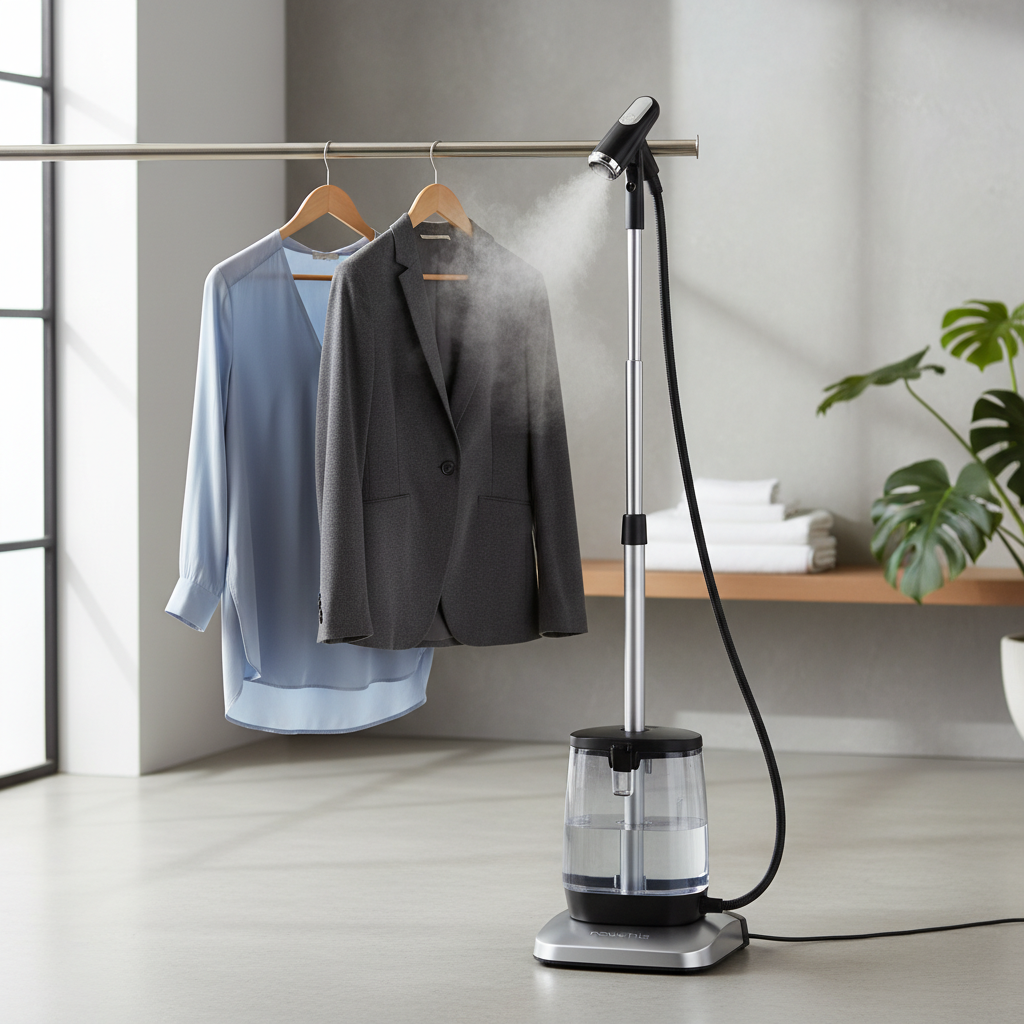
Imagine stepping out with perfectly smooth, fresh clothes every day, without the fuss of a traditional iron. Standing garment steamers have revolutionized how we care for our wardrobes, offering a gentle yet powerful way to banish wrinkles. But when you’re choosing the right appliance, one crucial specification often comes to the forefront: wattage. Specifically, the difference between a 1500W and an 1800W standing garment steamer can significantly impact your steaming experience. Understanding these power ratings is key to selecting a machine that truly meets your fabric care needs, whether you’re tackling a quick touch-up or a pile of stubborn creases.
What is a Standing Garment Steamer?
A standing garment steamer is an appliance designed to remove wrinkles from fabrics using a continuous flow of hot steam. Unlike traditional irons that rely on direct heat and pressure, steamers relax fabric fibers with steam, making them incredibly gentle on clothes. These vertical steamers typically feature a base unit with a water reservoir, a heating element, and a hose with a nozzle for directing steam. They are a popular choice for their convenience, speed, and versatility across various fabric types, from delicate silks to sturdy linens. The primary advantages include faster setup, no need for an ironing board, and a reduced risk of scorching or damaging garments.
Understanding Steamer Power: Watts Explained
The electrical power of a steamer, measured in watts (W), indicates the amount of energy the appliance consumes to generate heat and steam. Simply put, wattage is a direct measure of your steamer’s raw power. A higher wattage generally translates to a more robust heating element, which impacts two critical performance aspects: heat-up time and steam output. The more watts a steamer has, the faster it can heat water to produce steam, and the more powerful and consistent that steam flow tends to be. This foundational understanding is crucial when comparing different models, as it directly influences efficiency and effectiveness in wrinkle removal.
1500W vs. 1800W Standing Garment Steamer: A Direct Comparison
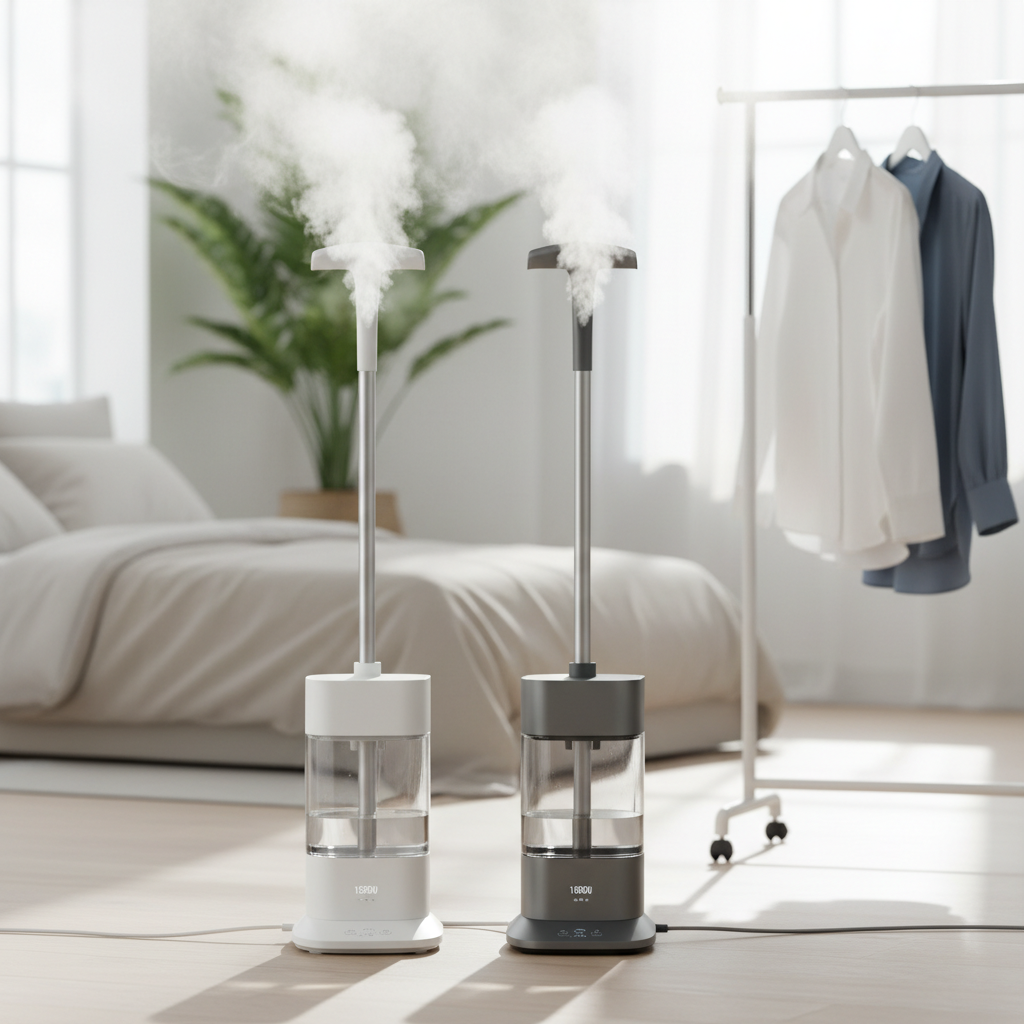
When choosing between a 1500W and an 1800W standing garment steamer, it’s important to consider how this difference in power translates into real-world performance. While both wattage levels are common for home use, the additional 300 watts can make a noticeable difference in certain areas.
Heat-Up Time
|
Our Picks for the Best Standing garment steamer in 2026
As an Amazon Associate I earn from qualifying purchases.
|
||
| Num | Product | Action |
|---|---|---|
| 1 | True & Tidy Heavy Duty Commercial Full Size Standing Garment Steamer for Clothes with Extra Large 3L (101 oz) Water Tank for 90+ mins of Steam Time, 1800 watts of Powerful Steam, 3 Settings, Gray |

|
| 2 | SALAV GS18-DJ Standing Garment Steamer with Roll Wheels for Easy Movement, 1.8L Water Tank for 1 Hour Continuous Steaming, Adjustable Pole for Storage, Includes Descaler Packet, 1500 watts |
|
| 3 | SALAV Heavy Duty Commercial Full-Size Garment Steamer with Foot Pedals and Extra Large 3L (101.5 oz) Water Tank, 1800 watts, 90+min of Continuous Steam (White) |
|
| 4 | Pure Enrichment PureSteam XL Standing Fabric Steamer - Professional Wrinkle Remover Heats in 45 Seconds; 1/2-Gallon Tank for 1 Hour of Steaming; Easy-Roll Wheels, Garment Hanger, & Fabric Brush |
|
| 5 | Jiffy Steamer J-2000 Jiffy Garment Steamer with Plastic Steam Head, 120 Volt, Beige |
|
| 6 | Garment Steamer for Clothes Standing, 1500W Efficient Clothes Steamer Standing with Wheels, Professional 58OZ Water Tank for Continuous Steaming, Fast Heating Wrinkle Remover |
|
| 7 | SALAV® Heavy Duty Smart Auto Shut-off Commercial Full-Size Garment Steamer, Beeping Alert when Water Runs out, Foot Pedal Control, XL 3L (101.5 oz) Tank, 1800 watts, 90+min of Continuous Steam, Navy |
|
| 8 | SALAV Heavy Duty Commercial Full-Size Garment Steamer with Foot Pedals and Extra Large 3L (101.5 oz) Water Tank, 1800 watts of Poweful Steam (Navy) |
|
| 9 | Upright Steamer for Clothes 1350W Turbo Boiler Standing Garment Steamer 1.6L Water Tank 1h Continuous Steam Flat&Hanging Ironing Double Retractable Rod 10 Modes 30s Fast Preheat for all Fabrics |
|
| 10 | SALAV GS18 Full-Size Clothes Steamer - 1500W Power, 1.8L Water Tank, 60-Min Garment Steam, Iron Clothing, Adjustable Pole & Wheels for Easy Storage, Professional Standing Steamer for Clothes, White |
|
An 1800W standing garment steamer will typically heat up faster than a 1500W model. For instance, many 1800W steamers are ready to produce steam in under 45 seconds, sometimes even as quickly as 30 seconds. A 1500W steamer, while still relatively quick, might take anywhere from 60 to 90 seconds to reach its optimal steaming temperature. If you frequently find yourself in a rush and need quick wrinkle removal, the faster heat-up time of a higher-wattage unit can be a significant convenience.
Steam Output and Penetration
Higher wattage generally equates to a more powerful and consistent steam output. An 1800W steamer is capable of generating a more robust steam flow, measured in grams per minute (g/min), which allows for deeper penetration into fabric fibers. This enhanced steam power is particularly effective for tackling stubborn wrinkles on thicker materials like denim, wool, or heavy curtains. A 1500W steamer, while perfectly adequate for everyday garments and lighter fabrics, might require more passes or extra effort to achieve flawless results on heavy-duty items. The more powerful steam of an 1800W model ensures quicker and more efficient wrinkle removal across a broader range of textiles.
Energy Consumption
Naturally, an 1800W appliance will consume more electricity than a 1500W one during operation. While the difference in a single steaming session might seem minimal, it can add up over time, especially with frequent or prolonged use. For those highly conscious of electricity bills or seeking a more energy-efficient option for light, daily use, a 1500W steamer might be a more economical choice. However, the slightly higher energy cost of an 1800W model is often offset by its increased efficiency and speed in getting the job done.
Fabric Versatility
Both 1500W and 1800W standing garment steamers are designed to be safe and effective on a wide variety of fabrics. The gentle nature of steam makes them suitable for everything from delicate silk blouses to sturdy cotton shirts. However, the more intense steam output of an 1800W steamer provides a distinct advantage when dealing with heavy garments or densely woven materials, where deeper steam penetration is required to relax creases effectively. For everyday garments and light fabrics, a 1500W steamer offers excellent performance.
Comparison Table of Steamer Power Levels
Understanding the distinctions between different wattage levels can help you make an informed decision. Here’s a brief overview comparing typical characteristics:
| Feature | 1000W – 1500W Steamer | 1500W – 1800W Steamer | 1800W+ Steamer |
|---|---|---|---|
| Heat-up Time | 60-90 seconds | 45-60 seconds | 30-45 seconds (or less) |
| Steam Output | Moderate (e.g., 20-30 g/min) | Good (e.g., 30-40 g/min) | Excellent (e.g., 40-50+ g/min) |
| Wrinkle Removal | Good for light to medium fabrics | Very good for most fabrics | Superior, especially for heavy fabrics |
| Best For | Quick touch-ups, delicate items | Regular household use, varied fabrics | Frequent use, heavy fabrics, professional results |
| Energy Use | Lower | Moderate | Higher |
Buying Guide: How to Choose the Right Standing Garment Steamer
Choosing the perfect standing garment steamer involves more than just looking at wattage. It’s about finding a balance that aligns with your specific lifestyle and fabric care routine.
Identify Your Steaming Needs
Start by considering how you’ll primarily use the steamer.
- Daily Ironing: If you need to quickly refresh a few shirts or dresses each morning, a model with a fast heat-up time and moderate steam output (like a good 1500W unit) might be ideal.
- Ironing Large Quantities: For steaming multiple garments at once, such as weekly laundry or preparing outfits for a family, you’ll benefit from higher wattage (1800W or more) for efficiency and a larger water tank for longer continuous steaming.
- Ironing Different Fabrics: If your wardrobe includes a mix of delicate items, everyday cottons, and heavy suits or upholstery, a steamer with robust steam power (1800W) offers greater versatility and effectiveness.
Factors to Consider
Beyond wattage, several other features contribute to a steamer’s overall performance and user experience.
- Tank Capacity and Continuous Ironing Time: A larger water tank means longer steaming sessions without needing to refill, which is crucial for larger loads.
- Steam Pressure and Flow Rate: Higher steam pressure and flow rate (g/min) indicate more effective wrinkle removal, particularly for stubborn creases. Look for consistent steam delivery, not just a high peak.
- Safety Features: Auto shut-off, overheat protection, and a cool-touch hose are important for peace of mind.
- Durability and Material Quality: High-quality components, like a stainless steel heating element, contribute to the steamer’s longevity.
- Brand and User Reviews: Reputable brands often offer better warranty and customer support. User reviews provide real-world insights into a product’s performance and reliability.
- Accessories: Look for useful attachments like fabric brushes, crease tools, and garment hangers, which can enhance versatility.
Budget
Your budget will naturally influence your options. While 1500W steamers might be found at a slightly lower price point, 1800W models often represent a step up in performance and may come with additional features, justifying a higher investment. Consider your purchase as a long-term investment in efficient garment care.
Top Standing Garment Steamers
While specific models vary, here’s a general guide on what wattage ranges typically suit different steaming needs:
For Everyday Quick Wrinkle Removal (1000W-1500W)
These steamers are excellent for individuals who need to quickly de-wrinkle a single outfit or touch up delicate garments. They heat up reasonably fast and are energy-efficient for light use. Ideal for silks, synthetics, and everyday shirts.
For Regular & Varied Fabrics (1500W-1800W)
This range hits a sweet spot for most households. Steamers in this category offer a good balance of heat-up speed, steam power, and energy consumption. They are capable of handling a broader range of fabrics, from cotton to linen, and are suitable for regular steaming tasks without being overly powerful or expensive.
For Heavy-Duty & Professional Results (1800W+)
If you frequently steam heavy fabrics, large quantities of clothing, or desire professional-level results, steamers with 1800W or higher power are your best bet. They deliver superior steam output and penetration, making quick work of even the most stubborn wrinkles on suits, coats, drapes, and upholstery.
How to Use and Maintain a Standing Garment Steamer
To ensure your standing garment steamer operates at its best and lasts for years, proper usage and maintenance are essential.
Safe and Effective Usage Guide
- Always use distilled water: This prevents mineral buildup (limescale) that can clog the steamer and reduce its lifespan. Tap water contains minerals that can cause spitting and damage.
- Hang garments properly: Ensure clothing is on a sturdy hanger, allowing steam to reach all areas. Lightly tug the bottom of the garment for better tension.
- Maintain proper distance: Hold the nozzle 1-2 inches from the fabric, moving slowly in vertical strokes. For heavy fabrics, you might hold it slightly closer or for a bit longer.
- Avoid overfilling the tank: Fill only to the “max” line to prevent leaks and ensure optimal performance.
- Allow cooling: Always let the steamer cool completely before emptying the tank and storing it.
Regular Cleaning and Maintenance
- Descale regularly: Depending on your water quality and usage, descale your steamer every few months. Use a descaling solution recommended by the manufacturer or a mix of white vinegar and water.
- Empty the water tank: After each use, empty any remaining water from the tank to prevent stagnant water and mineral buildup.
- Wipe down the exterior: Keep the exterior clean with a damp cloth.
Common Issues and Troubleshooting
- No steam or low steam: Check water level, ensure the steamer is fully heated, and clean for limescale buildup. A clogged nozzle is a common culprit.
- Water spitting: This often indicates too much mineral buildup or that the steamer isn’t fully heated. Use distilled water and descale.
- Leaking: Ensure all connections are secure. Overfilling the tank can also cause leaks.
Conclusion
Choosing between a 1500W and an 1800W standing garment steamer ultimately comes down to your individual needs and priorities. While a 1500W steamer offers efficient and effective wrinkle removal for everyday garments and lighter fabrics, providing good value and lower energy consumption, an 1800W model delivers a noticeable upgrade in speed and power. Its faster heat-up time and more robust steam output make it ideal for frequent users, larger loads, and stubborn creases on heavier fabrics. Considering how wattage impacts performance, along with other critical factors like tank capacity and safety features, empowers you to make a choice that will keep your clothes looking impeccable with minimal effort. What steaming tasks are most important to you?
Frequently Asked Questions
Is higher wattage always better for a standing garment steamer?
Not necessarily. While higher wattage (like 1800W) offers faster heat-up and more powerful steam, leading to quicker results, it also consumes more electricity. For occasional use or delicate fabrics, a 1500W steamer can be perfectly adequate and more energy-efficient.
Does wattage affect how wet clothes get after steaming?
No, wattage primarily affects heat-up time and steam output. The “wetness” of clothes after steaming is more influenced by the quality of steam (dry vs. wet steam), steam pressure, and how close you hold the nozzle to the fabric. Higher quality steamers, regardless of exact wattage, aim for dry, penetrating steam.
Can a 1500W steamer handle thick fabrics like denim or wool?
A 1500W steamer can handle thick fabrics, but it might require more time and multiple passes to achieve desired results compared to an 1800W model. The more robust steam of an 1800W unit penetrates dense fibers more efficiently, making it quicker for heavy materials.
How much more electricity does an 1800W steamer use than a 1500W one?
An 1800W steamer uses 300 watts more power than a 1500W steamer. Over an hour of continuous use, the 1800W model would consume 0.3 kWh more electricity. The actual cost difference depends on your local electricity rates and the duration of use.