Steaming vintage clothing is an art, a delicate balance of preserving history and refreshing its appeal. Unlike traditional ironing, which can be harsh on aged and delicate fabrics, garment steamers offer a gentle yet powerful way to remove wrinkles, eliminate odors, and breathe new life into cherished vintage pieces. If you’ve ever admired the pristine condition of antique garments or wondered how fashion archivists maintain their collections, a standing garment steamer is likely their secret weapon.
This comprehensive guide delves into everything you need to know about standing garment steamers, from their fundamental mechanics to selecting the ideal model for your prized vintage wardrobe. We’ll explore various types, compare top contenders, and provide essential tips for safe and effective use, ensuring your vintage treasures remain beautiful for years to come.
What is a Standing Garment Steamer?
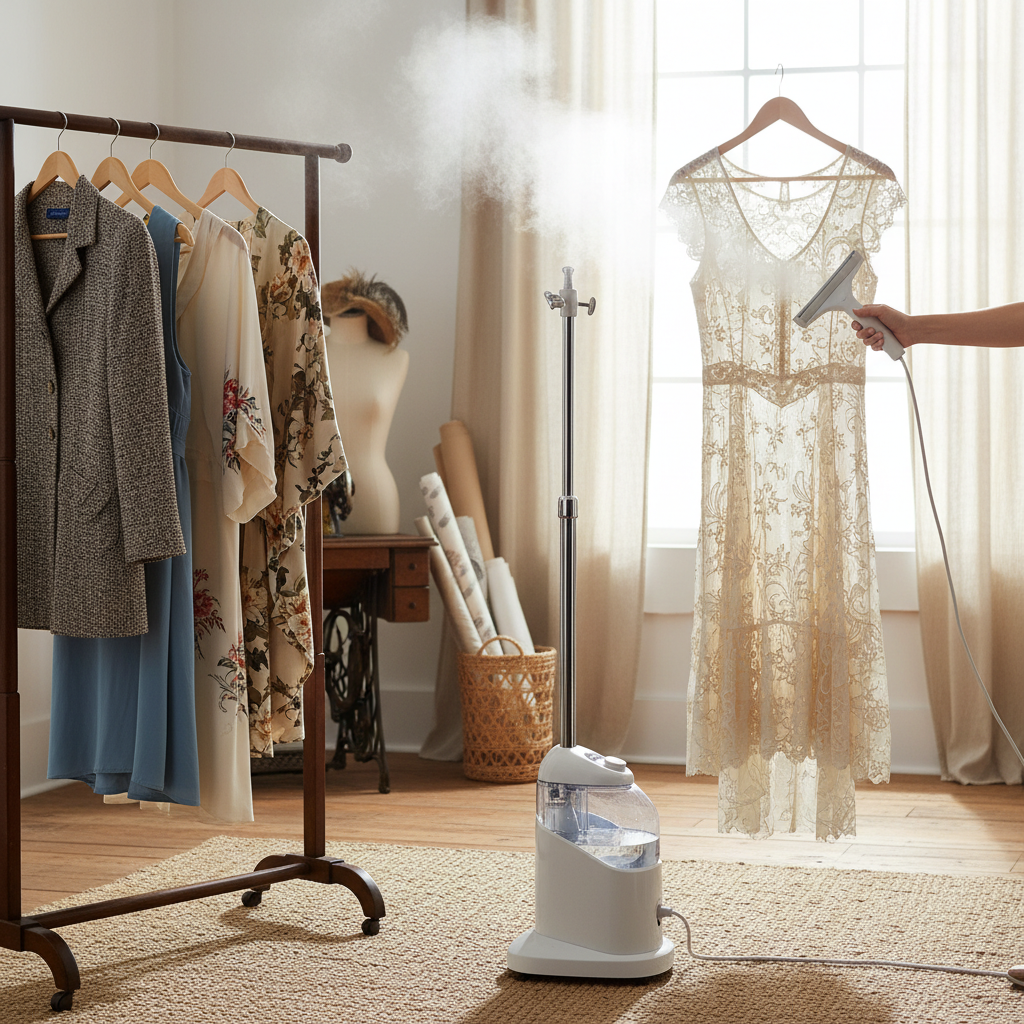
A standing garment steamer, also known as an upright or full-sized garment steamer, is an appliance designed to remove wrinkles from fabrics using a continuous flow of steam. It typically consists of a large water tank at the base, a heating element, a long hose, and a steam nozzle or wand. The garment is usually hung on an integrated pole or hook, allowing for hands-free steaming.
The primary function of a standing garment steamer is to relax fabric fibers with hot steam, causing wrinkles to naturally fall out without the direct heat and pressure that an iron applies. This gentle approach is particularly beneficial for delicate and vintage textiles, which can be easily scorched, stretched, or damaged by an iron. Beyond wrinkle removal, steamers are excellent for freshening garments, removing light odors, and sanitizing fabrics, making them an indispensable tool for anyone caring for a vintage collection.
Compared to traditional irons, standing garment steamers offer several advantages. They are safer for a wider range of fabrics, eliminating the risk of accidental burns or shiny marks on delicate materials like silk, rayon, or intricately embellished vintage items. Steaming is also much faster for many items, especially those with complex designs, pleats, or ruffles, as you don’t need an ironing board or precise positioning. For large quantities of clothing, an upright steamer with a generous water tank can provide continuous steam for extended periods, making it more efficient for comprehensive wardrobe care.
Types of Standing Garment Steamers
Standing garment steamers come in various configurations, primarily differing in their power, water tank capacity, and additional features. Understanding these classifications can help you pinpoint the best model for your specific vintage clothing care needs.
By Power
The wattage of a standing garment steamer is a direct indicator of its heating speed and steam output. More powerful units generate steam faster and more consistently, which can be crucial for tackling tougher wrinkles or processing multiple garments efficiently.
- Small Wattage (e.g., 500W-1200W): These models typically have lower steam output and may take longer to heat up and de-wrinkle fabrics. While generally more affordable, their gentler steam might require more passes on garments, which can be time-consuming. They are often suitable for light use or very delicate items where intense steam is unnecessary.
- Large Wattage (e.g., 1200W-2000W+): High-wattage steamers heat up rapidly and produce a strong, consistent flow of steam. This makes them highly effective for quickly removing wrinkles from a variety of fabrics, including slightly heavier vintage textiles. Brands like Jiffy and ConAir offer powerful options that deliver excellent performance, making them a popular choice for serious vintage enthusiasts or those managing larger inventories.
|
Our Picks for the Best Standing garment steamer in 2026
As an Amazon Associate I earn from qualifying purchases.
|
||
| Num | Product | Action |
|---|---|---|
| 1 | SALAV® Heavy Duty Smart Auto Shut-off Commercial Full-Size Garment Steamer, Beeping Alert when Water Runs out, Foot Pedal Control, XL 3L (101.5 oz) Tank, 1800 watts, 90+min of Continuous Steam, Navy |

|
| 2 | SALAV Heavy Duty Commercial Full-Size Garment Steamer with Foot Pedals and Extra Large 3L (101.5 oz) Water Tank, 1800 watts, 90+min of Continuous Steam (White) |
|
| 3 | True & Tidy Heavy Duty Commercial Full Size Standing Garment Steamer for Clothes with Extra Large 3L (101 oz) Water Tank for 90+ mins of Steam Time, 1800 watts of Powerful Steam, 3 Settings, Gray |
|
| 4 | Upright Steamer for Clothes 1350W Turbo Boiler Standing Garment Steamer 1.6L Water Tank 1h Continuous Steam Flat&Hanging Ironing Double Retractable Rod 10 Modes 30s Fast Preheat for all Fabrics |
|
| 5 | SALAV GS18-DJ Standing Garment Steamer with Roll Wheels for Easy Movement, 1.8L Water Tank for 1 Hour Continuous Steaming, Adjustable Pole for Storage, Includes Descaler Packet, 1500 watts |
|
| 6 | SALAV GS18 Full-Size Clothes Steamer - 1500W Power, 1.8L Water Tank, 60-Min Garment Steam, Iron Clothing, Adjustable Pole & Wheels for Easy Storage, Professional Standing Steamer for Clothes, White |
|
| 7 | Garment Steamer for Clothes Standing, 1500W Efficient Clothes Steamer Standing with Wheels, Professional 58OZ Water Tank for Continuous Steaming, Fast Heating Wrinkle Remover |
|
| 8 | Pure Enrichment PureSteam XL Standing Fabric Steamer - Professional Wrinkle Remover Heats in 45 Seconds; 1/2-Gallon Tank for 1 Hour of Steaming; Easy-Roll Wheels, Garment Hanger, & Fabric Brush |
|
| 9 | Jiffy Steamer J-2000 Jiffy Garment Steamer with Plastic Steam Head, 120 Volt, Beige |
|
| 10 | SALAV Heavy Duty Commercial Full-Size Garment Steamer with Foot Pedals and Extra Large 3L (101.5 oz) Water Tank, 1800 watts of Poweful Steam (Navy) |
|
By Tank Capacity
The water tank capacity determines how long a steamer can produce continuous steam before needing a refill. This is a significant factor, especially if you have a large collection of vintage clothing or frequently steam multiple items.
- Small Tank (e.g., 0.5-1.5 liters): Steamers with smaller tanks are typically more compact and lighter, making them easier to move. However, they will require more frequent refills, which can interrupt your steaming session. These are best suited for individuals who steam only a few items at a time or have limited storage space.
- Large Tank (e.g., 2 liters or more): Models with large water tanks can provide 60 minutes or more of continuous steam, ideal for extensive steaming sessions. This extended runtime is invaluable for vintage collectors who regularly refresh numerous garments or bulky items like antique curtains or linens. Jiffy steamers, for instance, are known for their substantial tank capacities, offering up to 90 minutes of steam time. While larger, their efficiency often outweighs the size for dedicated users.
By Features
Beyond power and capacity, standing garment steamers can offer a range of features that enhance usability and performance.
- With Dry Ironing Mode: Some advanced models incorporate a heated plate or a dual function that allows for both steaming and a light dry-press. This can be useful for creating sharper creases on certain vintage fabrics or for garments that benefit from a slight press in addition to steaming, though caution is always advised with delicate vintage textiles. The CHI SteamPress 3-in-1 Steamer and Iron offers this versatility.
- Without Dry Ironing Mode: Most standing garment steamers focus solely on steam output. These are generally simpler in design and often preferred for their pure, gentle steaming action, which is the safest approach for the vast majority of vintage fabrics. They rely entirely on steam to relax wrinkles, making them a dedicated tool for preserving delicate materials.
Comparison Table of Popular Standing Garment Steamers
Choosing the right standing garment steamer for vintage clothing involves balancing performance, features, and budget. Here’s a comparison of some popular models, keeping the unique needs of vintage care in mind.
| Brand | Model | Wattage | Tank Capacity | Continuous Steam Time | Price Range (USD) | Key Advantages for Vintage Care |
|---|---|---|---|---|---|---|
| Jiffy | J-2 / J-2000M | 1300W | 2.84 Liters | 90 minutes | $260 – $300+ | Durability, heavy base for stability, replacement parts available, made in USA, excellent for heavy use. |
| Pure Enrichment | PureSteam Pro Upright Steamer | 1500W | 2 Liters | 60 minutes | $70 – $120 | Fast heat-up (30 seconds), good tank capacity, four steam settings for versatility. |
| Electrolux | Garment Steamer | 1500W | 10 Ounces | 18 minutes | $60 – $70 | Immediate heat-up, continuous steam, long cord, effective on silk/cotton/polyester/linen. |
Note: Prices are approximate and subject to change.
Jiffy steamers, while a higher initial investment, are frequently cited by vintage experts for their robust construction, long lifespan, and the availability of replacement parts, making them a truly long-term solution for vintage care. Their heavy bases are also crucial for stability, preventing accidental tip-overs which could be disastrous around delicate items. Other models offer good performance at a more accessible price point, but always consider durability and the specific features needed for your collection.
Buying Guide: How to Choose the Right Standing Garment Steamer
Selecting the best standing garment steamer for your vintage clothing requires careful consideration. It’s not just about the most powerful model, but the one that best suits your specific garments and usage habits.
Identify Your Needs
Before diving into specifications, consider how you intend to use your steamer.
- Daily Ironing (or steaming) of Vintage Attire: If you regularly wear and refresh a rotation of vintage outfits, a robust, full-sized standing steamer with a large water tank and consistent steam output will be most efficient. It minimizes refills and provides the power needed for frequent use.
- Ironing Large Quantities (e.g., for a vintage business or extensive collection): For high-volume steaming, such as preparing items for sale or maintaining a vast collection, a commercial-grade or a top-tier standing steamer like the Jiffy J-2 is highly recommended. Look for maximum tank capacity, quick heat-up, and reliable, continuous steam to handle multiple garments without interruption.
- Ironing Different Fabrics (e.g., delicate silks, sturdy wools, embellished items): Vintage clothing encompasses a wide array of fabrics, from fragile silks and laces to heavier wools and velvets. A steamer with variable steam settings is advantageous, allowing you to adjust intensity to match the fabric’s delicacy. However, even single-setting steamers like the Jiffy are often safe for delicate items due to their consistent, non-scorching steam.
Factors to Consider
Several technical specifications and design elements contribute to a steamer’s overall performance and suitability for vintage care.
- Power and Heating Speed: A higher wattage (1500W+) generally means faster heat-up times (under a minute) and more powerful steam output. This translates to quicker wrinkle removal and greater efficiency. However, for extremely delicate fabrics, a steamer with adjustable steam levels can be beneficial.
- Tank Capacity and Continuous Ironing Time: For vintage clothing, where you might be working on several items or a particularly large garment, a generous water tank (2+ liters) offering 60 minutes or more of continuous steam is ideal. This reduces interruptions for refilling, streamlining your process.
- Steam Pressure (and quality): While not always listed as “pressure,” look for descriptions of “dense, consistent steam.” Avoid steamers that spit or belch water, as hot water droplets can damage sensitive vintage fabrics and cause discomfort. Using distilled water only is crucial for preventing mineral buildup that can lead to spitting and clogs.
- Safety Features: Automatic shut-off when the water tank is empty or when overheating occurs is a vital safety feature. A stable, heavy base (especially for standing models) is also important to prevent tipping, which can be dangerous with hot water. Clear, easy-to-understand operating instructions are also part of safe usage.
- Durability and Material Quality: Vintage garments deserve a steamer that lasts. Look for models made with high-quality components, like brass fittings (found in Jiffy steamers) and sturdy hoses. Brands known for their longevity and availability of replacement parts are a wise investment for long-term vintage care.
- Brand and User Reviews: Reputable brands with a history of producing reliable garment care products are a good starting point. Pay close attention to reviews from other vintage clothing enthusiasts or those who use steamers on delicate fabrics, as their experiences will be most relevant to your needs.
Budget
Standing garment steamers vary widely in price, from under $100 to several hundred dollars.
- Entry-Level (Under $100): You can find functional standing steamers in this range, often suitable for occasional light use. However, they may have smaller tanks, less robust construction, and fewer advanced features. Models like the Pure Enrichment PureSteam Pro sometimes fall into this category when on sale.
- Mid-Range ($100-$250): This segment offers a good balance of features, performance, and durability. You’ll find steamers with larger tanks, faster heat-up times, and better build quality.
- Premium ($250+): Top-tier steamers, such as those from Jiffy, are in this category. They represent an investment in professional-grade durability, exceptional steam performance, and often, the peace of mind that comes with readily available replacement parts and robust design, making them a favorite among vintage professionals.
Consider your budget not just as an upfront cost, but as an investment in the long-term care and preservation of your vintage collection. A higher quality steamer, though more expensive initially, can save money on dry cleaning and prevent damage to irreplaceable items.
Top 3 Standing Garment Steamers for Vintage Clothing Care
When it comes to caring for vintage clothing, certain standing garment steamers stand out for their reliability, gentle yet effective performance, and thoughtful design. Here are our top recommendations, each with unique strengths for preserving your treasured items.
1. Jiffy Steamer J-2 / J-2000M
The Jiffy Steamer J-2, often referred to as the J-2000M, is an industry icon and frequently recommended by vintage clothing professionals and enthusiasts alike.
-
Pros:
- Unparalleled Durability: Built with American-made parts, including a heavy-duty brass heating element, the Jiffy J-2 is renowned for its longevity. It’s an investment piece that lasts decades.
- Exceptional Stability: Its heavy base prevents tipping, a crucial safety feature when working with delicate garments and hot steam.
- Large Water Capacity: With a 2.84-liter tank, it provides up to 90 minutes of continuous steam, perfect for extensive steaming sessions.
- Repairable: Jiffy is one of the few companies that offers readily available replacement parts and excellent customer service, ensuring your steamer can be maintained for life.
- Consistent, Safe Steam: Delivers a powerful yet gentle steam flow that is effective on a wide range of fabrics without scorching.
-
Cons:
- Higher Price Point: It’s a significant investment compared to other models.
- Slower Heat-up Time: Takes approximately 100-120 seconds to heat up, which is longer than some handheld options.
- No Variable Temperature Settings: While safe for most fabrics, it lacks explicit temperature control, which some users might prefer.
-
Best for: Serious vintage collectors, boutique owners, and those who prioritize extreme durability, repairability, and long, uninterrupted steaming sessions for a diverse range of vintage textiles.
2. Pure Enrichment PureSteam Pro Upright Clothes Steamer
The Pure Enrichment PureSteam Pro offers a strong balance of performance, features, and value, making it an excellent choice for home users with a substantial vintage collection.
- Pros:
- Fast Heat-up: Heats up in just about 30 seconds, allowing for quick steaming.
- Good Tank Capacity: Its 2-liter detachable water tank provides up to 60 minutes of continuous steam.
- Variable Steam Settings: Features four thermostat-controlled heat settings, allowing for some adjustment based on fabric type (though not explicitly labeled for specific fabrics, it offers more control than single-setting models).
- Convenient Design: Includes a telescoping garment rack, foot pedal operation, and a cord wrap for ease of use and storage.
- Cons:
- Mobility: While it has wheels, it needs to be tipped to one side for movement, which can feel clunky.
- Minor Water Sputtering: Some users may experience slight water sputtering, particularly when starting up.
- Best for: Home users who need a reliable, efficient standing steamer for regular use on various vintage fabrics, appreciating fast heat-up and a decent steam duration without the premium price of a Jiffy.
3. Electrolux Garment Steamer LX-15002
The Electrolux Garment Steamer is an impressive contender, particularly noted for its immediate heat-up and strong performance on common vintage materials.
- Pros:
- Immediate Heat-up: Ready to steam almost instantly, minimizing wait times.
- Effective on Various Fabrics: Works quickly to release wrinkles in silk, cotton, polyester, and linen, common fabrics in vintage clothing.
- Long Power Cord: A 12-foot cord offers excellent reach and flexibility around your steaming area.
- Continuous Steam: Features a sliding lock for continuous steam, eliminating the need to hold down a button.
- Cons:
- Smaller Water Tank: At 10 ounces, the tank offers about 18 minutes of steam time, which is less than dedicated upright models, requiring more frequent refills for larger tasks.
- Can Spit Water: Occasionally spits out droplets, especially during warm-up.
- Funnel Needed for Filling: The small tank opening may require a funnel for easy refilling.
- Best for: Those who need quick, immediate wrinkle removal for a few vintage items at a time, valuing fast operation and a compact standing footprint. It bridges the gap between handheld convenience and upright stability for smaller tasks.
“For truly delicate vintage items, a steamer’s gentle touch is often far superior to an iron. Always use distilled water – it’s the simplest way to extend the life of your machine and protect your precious fabrics.” – Melissa Brooks, Senior Director of Marketing, Garment Care at Conair
How to Use and Maintain a Standing Garment Steamer
Proper usage and regular maintenance are paramount, especially when dealing with irreplaceable vintage clothing. Following best practices will ensure both the longevity of your steamer and the pristine condition of your garments.
Safe and Effective Usage Guide
- Use Distilled Water ONLY: This is perhaps the most critical rule for any steamer. Tap water contains minerals that can build up inside the heating element and hose, leading to clogs, spitting water, and reduced efficiency over time. Distilled water prevents this, extending your steamer’s lifespan and protecting your garments from mineral stains.
- Hang Garments Properly: Utilize the steamer’s built-in hanger or a sturdy hanger on a rod. For pants, hanging them upside down by the cuffs can help gravity assist in wrinkle removal. Ensure the garment hangs freely without touching walls or other surfaces.
- Allow for Full Heat-Up: Wait until the steamer is fully heated and producing a steady stream of steam before applying it to your clothing. This prevents water sputtering, which can occur when the unit is still warming up.
- Steam from a Safe Distance (Initially): For very delicate or unknown vintage fabrics, start by holding the nozzle a few inches away. Gradually bring it closer if the fabric tolerates it, always keeping the nozzle moving.
- Move the Nozzle Fluidly: Place the steam nozzle directly onto the garment (or slightly beneath for heavier fabrics, allowing the steam to rise through). Move the nozzle in a continuous, downward motion, gently pulling the fabric taut with your free hand. Avoid holding the nozzle in one spot for too long, especially on sensitive areas or embellishments.
- Work Top-Down: Begin steaming from the top of the garment and work your way down. This allows steam to relax fibers evenly and gravity to pull wrinkles out.
- Address Odors: Steaming is excellent for refreshing vintage items and removing lingering odors that washing might not resolve or that dry cleaning could harm. A few passes of steam can significantly dissipate stale smells. You can even add special “ironing water” with fragrance to the distilled water for a fresh scent.
- Avoid Certain Fabrics and Embellishments: Do NOT use a steamer on fur, leather, suede, or waxed jackets, as the steam can cause irreversible damage. Be extremely cautious around plastic buttons, sequins, beads, or delicate metallic threads, as they can melt, warp, or tarnish.
- Sharp Creases: For crisp creases or pleats (e.g., on vintage trousers), a traditional iron with a pressing cloth is generally more effective than a steamer. If you must use a steamer, some models offer clamps or attachments for this purpose, but always test on an inconspicuous area first.
Regular Cleaning and Maintenance
Consistent maintenance will keep your standing garment steamer performing optimally and prevent damage to your vintage clothes.
- Empty Water Tank After Each Use: Never leave water in the tank, especially if it’s not distilled. Empty the tank completely and allow it to air dry to prevent mildew, bacteria growth, and mineral accumulation.
- Decalcify Regularly: Even with distilled water, some mineral residue can accumulate over time. Consult your steamer’s manual for specific decalcification instructions. This typically involves using a mixture of white vinegar and distilled water to flush the system.
- Clean Nozzle and Hose: Wipe down the steam nozzle and hose with a damp cloth to remove any residue. Ensure steam vents are clear of lint or debris.
- Store Properly: Once cool and dry, store your standing steamer in an upright position. If it’s a model with a telescoping pole, collapse it for compact storage. Protect the nozzle from dust by placing it back in its cradle or a designated holder.
- Check Hoses and Connections: Periodically inspect the hose for kinks, cracks, or loose connections. Tighten any brass couplings or fittings if necessary, as leaks can occur otherwise.
Common Issues and Troubleshooting
- No Steam/Weak Steam:
- Cause: Low water level, steamer not fully heated, mineral buildup.
- Fix: Refill tank, allow full heat-up time, decalcify the unit.
- Water Spitting/Leaking:
- Cause: Insufficient heat (steaming too soon), mineral buildup, hose kinked, unit tipped over, loose connections.
- Fix: Allow full heat-up, use distilled water, decalcify, ensure hose is straight, check connections, keep unit upright.
- Garment Still Wrinkled:
- Cause: Not enough passes, fabric too thick for steam, steam not hot enough, incorrect technique.
- Fix: Increase steaming time, pull fabric taut, consider a more powerful steamer or one with adjustable settings for tougher fabrics.
- Steamer Smells Burnt/Unusual Odor:
- Cause: Mineral buildup, new unit burning off manufacturing residue, foreign substance in tank.
- Fix: Decalcify. If new, run a tank of distilled water through it. If the smell persists or is strong, contact customer service.
- Unit Not Turning On:
- Cause: Not plugged in correctly, power switch off, internal fault.
- Fix: Check power connection and switch. If still not working, consult warranty or professional repair.
Conclusion
Caring for vintage clothing is a labor of love, and the right tools can make all the difference in preserving its charm and extending its life. A standing garment steamer is an invaluable asset for any vintage enthusiast, offering a gentle, effective, and efficient way to remove wrinkles and freshen fabrics without the risks associated with traditional ironing. From the robust, long-lasting performance of a Jiffy Steamer to the quick efficiency of other reputable brands, there’s a perfect standing garment steamer to meet your unique needs.
Remember the golden rules: always use distilled water, understand the specific needs of your vintage fabrics, and maintain your steamer diligently. By doing so, you’ll ensure your cherished vintage pieces remain in exquisite condition, ready to tell their stories for generations to come.
What’s your go-to vintage fabric that you’d trust with a standing steamer?
Câu Hỏi Thường Gặp
What makes standing garment steamers ideal for vintage clothing?
Standing garment steamers are ideal for vintage clothing because they use steam to relax fabric fibers gently, removing wrinkles without the direct heat and pressure of an iron. This prevents scorching, stretching, or damage to delicate, aged textiles like silks, rayons, and embroidered pieces, preserving their integrity and appearance.
Can all vintage fabrics be safely steamed?
While most vintage fabrics benefit from steaming, certain materials should be avoided. Do not use a steamer on fur, leather, suede, or waxed jackets. Exercise extreme caution around plastic embellishments, beads, or delicate metallic threads, as they can melt, warp, or tarnish. Always test on an inconspicuous area first if unsure.
Why is distilled water essential for standing garment steamers?
Distilled water is crucial because tap water contains minerals that can accumulate inside the steamer’s heating element and hose. This buildup leads to clogs, reduced steam output, and potential water spitting, which can stain or damage vintage fabrics. Using distilled water prolongs your steamer’s lifespan and protects your garments.
How often should I decalcify my standing garment steamer?
The frequency of decalcification depends on how often you use your steamer, even with distilled water. As a general guideline, if you use your steamer regularly (multiple times a week), consider decalcifying it every 1-2 months. For occasional use, every 3-6 months should suffice. Always refer to your steamer’s manual for specific recommendations.
Is a handheld steamer sufficient for vintage clothing care, or is a standing model better?
While handheld steamers are convenient for quick touch-ups and travel, standing garment steamers are generally better for comprehensive vintage clothing care. Standing models offer more powerful and consistent steam, larger water tanks for extended use, and greater stability, making them more efficient for handling multiple garments or larger, heavier vintage items.