There’s nothing quite as frustrating as reaching for your trusty garment steamer, ready to tackle a mountain of wrinkles, only to find it stubbornly refuses to heat up. That moment of anticipation quickly turns into a scramble for solutions, leaving your clothes in a crumpled heap. You’re not alone in this common household dilemma. Many steamer owners encounter heating issues, which can range from simple oversights to more complex internal malfunctions. This comprehensive guide will walk you through the most frequent causes behind a non-heating steamer and provide clear, step-by-step DIY repair methods to get your appliance back in steaming action.
Understanding Your Steamer: How It Works
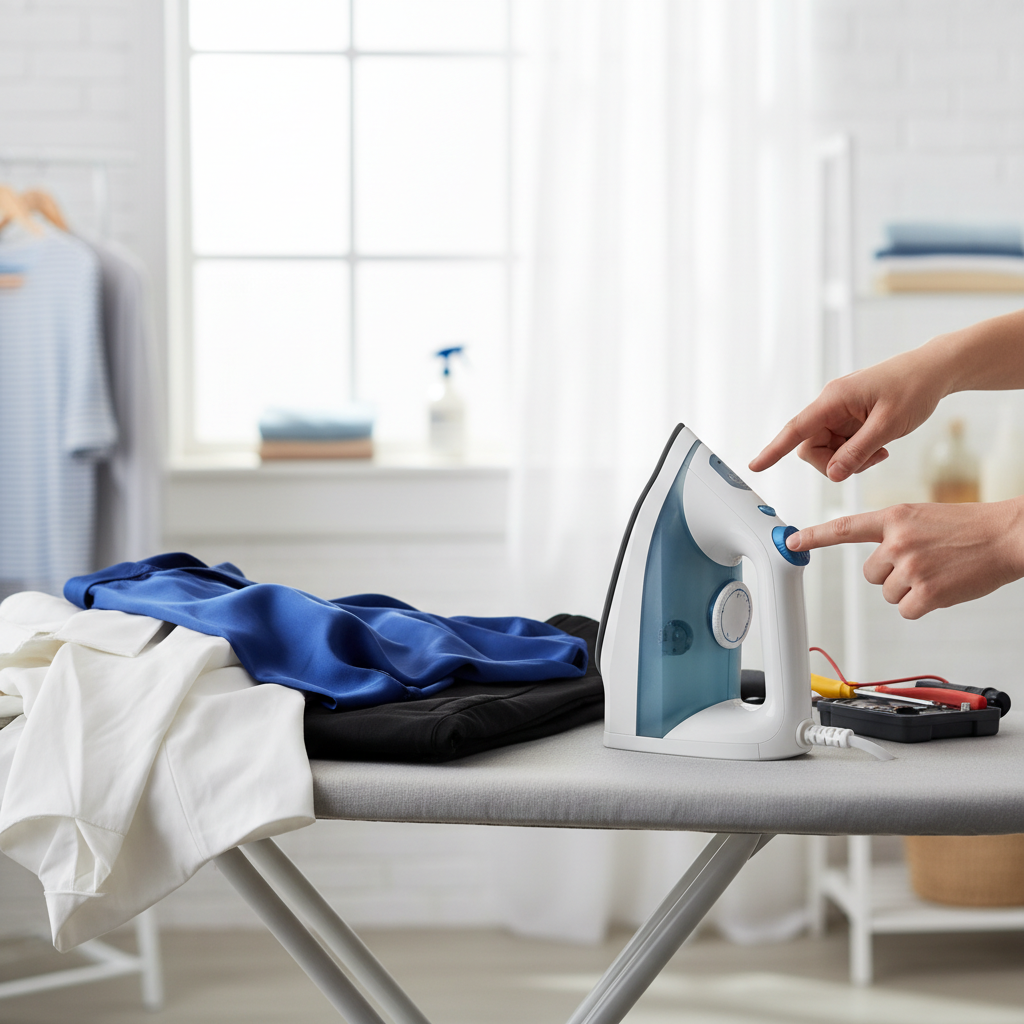
At its core, a garment steamer is a relatively simple device designed to transform water into steam, which then relaxes fabric fibers to remove wrinkles. The process begins when water from the reservoir flows into a heating chamber, where an electric heating element rapidly heats it to its boiling point, creating steam. This steam is then directed through a hose and nozzle to your garments. For this entire system to function, proper heating is paramount. If any component in the heating pathway, from the power supply to the heating element itself, fails or is obstructed, your steamer simply won’t produce the necessary warmth to generate steam.
Common Reasons Your Steamer Isn’t Heating Up
When your steamer remains cold, several underlying issues could be at play. Identifying the root cause is the first step toward a successful DIY repair. These problems typically fall into categories related to power, water, or the internal heating components.
Power Supply and Electrical Issues
One of the most straightforward reasons a steamer won’t heat up often traces back to its power source. Without a consistent and sufficient electrical supply, the heating element cannot engage.
- Outlet Problems: Sometimes, the issue isn’t with the steamer but with the electrical outlet it’s plugged into. A tripped circuit breaker, a blown fuse in the outlet, or a faulty wall socket can cut off power to the appliance. Always test the outlet with another working device to rule this out.
- Cord Damage: The power cord can suffer wear and tear over time. Kinks, cuts, fraying, or loose connections within the cord can disrupt the electrical flow, preventing the steamer from receiving power.
- Internal Wiring Faults: Less common but still possible are loose or damaged internal wires within the steamer itself. These can prevent power from reaching the heating element or other critical components.
|
Our Picks for the Best Standing garment steamer in 2026
As an Amazon Associate I earn from qualifying purchases.
|
||
| Num | Product | Action |
|---|---|---|
| 1 | Upright Steamer for Clothes 1350W Turbo Boiler Standing Garment Steamer 1.6L Water Tank 1h Continuous Steam Flat&Hanging Ironing Double Retractable Rod 10 Modes 30s Fast Preheat for all Fabrics |

|
| 2 | SALAV Heavy Duty Commercial Full-Size Garment Steamer with Foot Pedals and Extra Large 3L (101.5 oz) Water Tank, 1800 watts of Poweful Steam (Navy) |
|
| 3 | SALAV GS18-DJ Standing Garment Steamer with Roll Wheels for Easy Movement, 1.8L Water Tank for 1 Hour Continuous Steaming, Adjustable Pole for Storage, Includes Descaler Packet, 1500 watts |
|
| 4 | True & Tidy Heavy Duty Commercial Full Size Standing Garment Steamer for Clothes with Extra Large 3L (101 oz) Water Tank for 90+ mins of Steam Time, 1800 watts of Powerful Steam, 3 Settings, Gray |
|
| 5 | SALAV Heavy Duty Commercial Full-Size Garment Steamer with Foot Pedals and Extra Large 3L (101.5 oz) Water Tank, 1800 watts, 90+min of Continuous Steam (White) |
|
| 6 | Garment Steamer for Clothes Standing, 1500W Efficient Clothes Steamer Standing with Wheels, Professional 58OZ Water Tank for Continuous Steaming, Fast Heating Wrinkle Remover |
|
| 7 | SALAV GS18 Full-Size Clothes Steamer - 1500W Power, 1.8L Water Tank, 60-Min Garment Steam, Iron Clothing, Adjustable Pole & Wheels for Easy Storage, Professional Standing Steamer for Clothes, White |
|
| 8 | Pure Enrichment PureSteam XL Standing Fabric Steamer - Professional Wrinkle Remover Heats in 45 Seconds; 1/2-Gallon Tank for 1 Hour of Steaming; Easy-Roll Wheels, Garment Hanger, & Fabric Brush |
|
| 9 | Jiffy Steamer J-2000 Jiffy Garment Steamer with Plastic Steam Head, 120 Volt, Beige |
|
| 10 | SALAV® Heavy Duty Smart Auto Shut-off Commercial Full-Size Garment Steamer, Beeping Alert when Water Runs out, Foot Pedal Control, XL 3L (101.5 oz) Tank, 1800 watts, 90+min of Continuous Steam, Navy |
|
Water-Related Problems
The production of steam relies entirely on water. Any interruption or contamination in the water supply can severely impact your steamer’s ability to heat up and generate steam.
- Insufficient Water: It might sound obvious, but an empty or low water reservoir is a frequent culprit. Most steamers have safety mechanisms that prevent the heating element from activating if the water level drops below a safe minimum to prevent dry heating and damage.
- Mineral Buildup/Scale: This is perhaps the most common long-term issue. Tap water, especially hard water, contains minerals like calcium and magnesium. When heated, these minerals can precipitate out and form scale deposits on the heating element and inside the water pathways, hoses, and nozzles. This buildup acts as an insulator, preventing the heating element from effectively transferring heat to the water, or it can outright clog the steam vents.
- Water Sensor Issues: Many modern steamers include water level sensors. If this sensor malfunctions or gets stuck, it might incorrectly register an empty tank, preventing the heating cycle from starting even if the reservoir is full.
- Airlocks: An air bubble trapped in the water lines can prevent water from reaching the heating chamber. This is more common with newer steamers or after refilling.
- Pump Malfunctions: In models that use a pump to draw water, a faulty or clogged pump can prevent water from reaching the heating element.
Heating Element and Thermostat Malfunctions
The heart of any steamer is its heating element. If this component or its associated temperature controls fail, the steamer simply cannot generate heat.
- Faulty Heating Element: The heating element itself can burn out or become defective. This is a more serious issue that often requires part replacement.
- Malfunctioning Thermostat: The thermostat regulates the steamer’s temperature. If it fails to register the correct temperature or becomes stuck in an “off” position, the heating element won’t activate.
- Thermal Fuse Tripped: Many steamers have a thermal fuse as a safety measure. If the steamer overheats, this fuse will trip, cutting power to prevent damage or fire. A tripped fuse indicates a past overheating event and must be replaced after the root cause of overheating is addressed.
Troubleshooting Guide: Diagnosing Your Steamer
Before attempting any repairs, systematically diagnose the problem. This troubleshooting guide will help you narrow down the issue efficiently and safely.
| Problem | Possible Cause | Initial Steps & Observations |
|---|---|---|
| Steamer completely dead, no lights or heat | No power supply | Check if plugged in securely. Test outlet with another appliance. Check circuit breaker/fuse. Inspect power cord for damage. |
| Steamer turns on, lights up, but no heat/steam | Low water level, mineral buildup, airlock | Check water reservoir. Descale using vinegar solution. Tilt/shake steamer to dislodge airlocks. |
| Steamer makes unusual noises but no heat/steam | Water pump issue, severe clog | Listen for pump sounds. Inspect for visible clogs in hose/nozzle. Descale thoroughly. |
| Steamer heats intermittently or steam is weak | Partial mineral clog, faulty thermostat | Descale the unit. Observe if heating cuts out abruptly. |
| Steamer overheated, then stopped working | Tripped thermal fuse | Unplug immediately. Let cool completely. This indicates a previous overheating. |
DIY Repair Steps for a Non-Heating Steamer
Once you’ve identified the likely cause, you can proceed with specific DIY repair steps. Always prioritize safety.
Basic Checks and Quick Fixes
These initial steps often resolve the simplest and most common steamer issues without requiring disassembly.
- Check Power and Water Levels: Ensure the steamer is securely plugged into a functional outlet. Verify that the water reservoir is filled to the appropriate level, between the minimum and maximum markers. For new steamers, it might take a minute or so of holding the steam trigger to prime the pump and circulate water.
- Reseat Water Reservoir: Sometimes, the water tank might not be seated correctly, preventing water from reaching the heating chamber. Remove the reservoir and firmly reinsert it, ensuring it clicks into place if applicable. Some models have a small ball in the reservoir inlet; ensure it moves freely by gently rolling it with your finger.
- Clear Airlocks: If an air bubble is trapped, switch the steamer on and gently shake it up and down. You can also try running the steamer with the nozzle facing downwards for a short period. This can help dislodge the air bubble and allow water to flow.
- Inspect Hose and Nozzle for Clogs: Examine the steam hose for kinks or twists that could restrict steam flow. For the nozzle, check for any visible debris or lint blocking the steam holes. A small brush or a pin can be used to carefully clear any obstructions.
- Descaling the Unit: This is crucial, especially if you use tap water.
- Unplug the steamer and ensure it’s cool.
- Empty any remaining water from the reservoir.
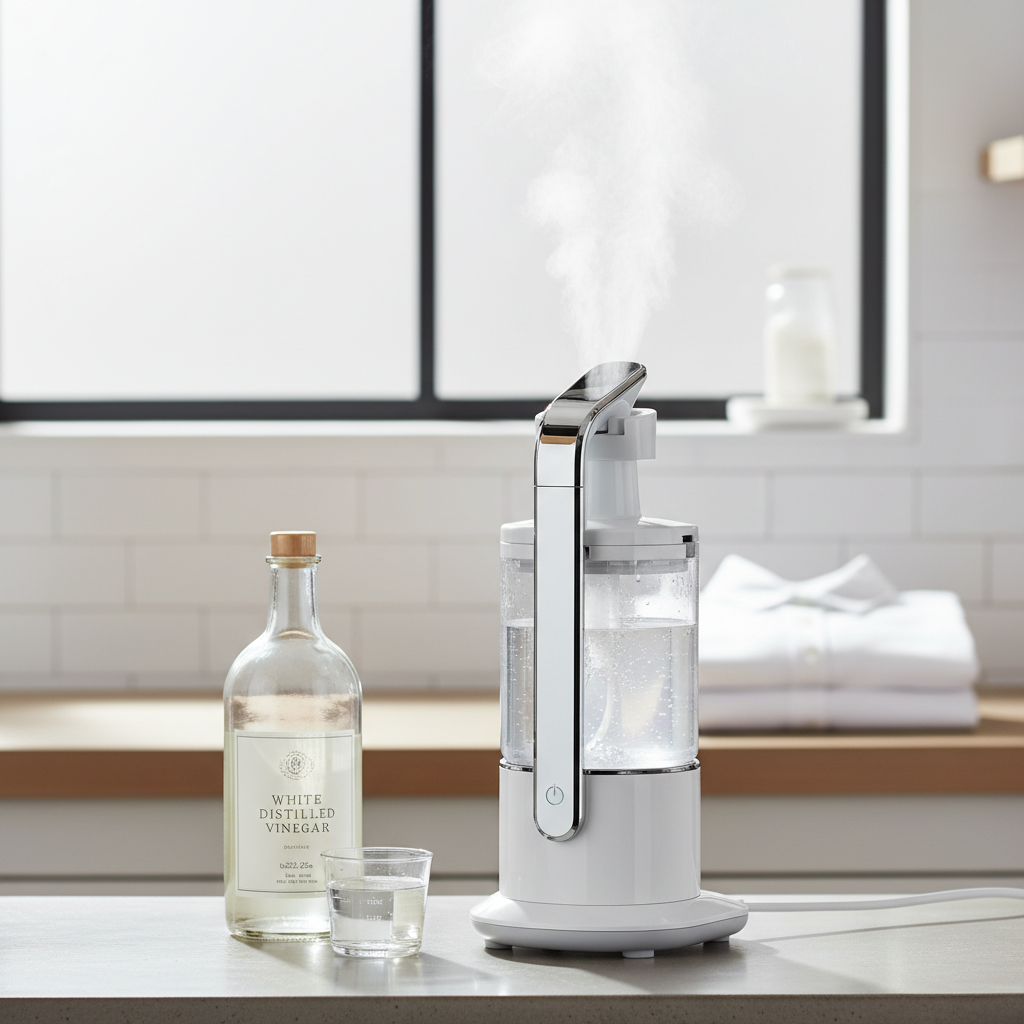
- Prepare a descaling solution: a 50/50 mixture of distilled white vinegar and water is often recommended. For stubborn buildup, you might use a higher concentration of vinegar or a commercial descaling solution recommended by the manufacturer.
- Pour the solution into the water tank, filling it to about half its capacity.
- Allow the solution to sit in the tank for at least 2 hours, or even overnight for heavy buildup.
- Empty the solution. Tilt the steamer back and forth vigorously to help dislodge any loosened mineral deposits.
- Rinse the tank thoroughly with clean, filtered water 2-3 times, repeating the tilting motion, until all traces of vinegar and dislodged scale are removed.
- Fill the reservoir with clean distilled water, plug in the steamer, and run it for a few minutes (e.g., in a well-ventilated area or over a sink) to flush out any remaining residue before steaming garments.
Advanced Troubleshooting and Component Replacement
If basic fixes don’t work, you might need to investigate internal components. Proceed with caution and only if you are comfortable with basic electrical work. Always prioritize safety.
- Safety Precautions: Before opening any part of your steamer, always unplug it from the power outlet and allow it to cool completely. Wear appropriate safety gear, such as gloves and eye protection. Use the correct tools for disassembly.
- Testing Electrical Continuity: For issues like a suspected faulty heating element, thermal fuse, or power cord, a multimeter can be used to test for electrical continuity.
- Heating Element: After disassembling the unit to access the heating element, disconnect its wires. Set your multimeter to continuity mode. Touch the probes to the terminals of the heating element. A working element should show continuity (a beep or a low resistance reading). No continuity indicates a faulty element that needs replacement.
- Thermal Fuse: Similarly, test the thermal fuse for continuity. If it shows no continuity, it has blown and needs replacement. Remember to investigate why it blew before replacing it.
- Power Cord: Check for continuity along the power cord wires to ensure there are no internal breaks.
- Inspecting Water Pump (if applicable): If your steamer uses a pump, inspect it for clogs. Some YouTube tutorials demonstrate how to test these pumps by applying a small voltage (as per manufacturer specifications) to check if they activate. A clogged or faulty pump will need cleaning or replacement.
- Replacing Components: If you identify a faulty heating element, thermal fuse, or pump, you might be able to replace it yourself if you can source the correct part from the manufacturer or an authorized dealer. Ensure the replacement part matches the specifications of the original.
Safety First: Precautions During Repair
Working with electrical appliances, even unplugged ones, carries risks.
- Always Unplug: This cannot be stressed enough. Never attempt any inspection or repair while the steamer is plugged in.
- Allow to Cool: Steamers get very hot. Give your unit ample time to cool down before handling any internal parts.
- Use Proper Tools: Screwdrivers, pliers, and multimeters should be insulated and in good condition.
- Document Disassembly: Take photos or notes as you disassemble the steamer to help you reassemble it correctly.
- When in Doubt, Call a Professional: If you’re unsure about any step, uncomfortable with electrical work, or if the problem persists after basic troubleshooting, it’s always best to consult a qualified appliance repair technician. Attempting repairs beyond your skill level can lead to further damage to the steamer or, more importantly, personal injury.
Preventing Future Heating Issues
Consistent maintenance is key to extending the life of your steamer and preventing common heating problems.
- Use Distilled Water: This is perhaps the single most effective way to prevent mineral buildup. Distilled water contains no minerals, eliminating the primary cause of scale. If distilled water isn’t readily available, a 50/50 mix of distilled and tap water is better than straight tap water.
- Regular Descaling: Even with distilled water, occasional descaling is beneficial. If you use tap water, descale your steamer every 1-3 months, depending on your water hardness and usage frequency.
- Proper Storage: Store your steamer in a clean, dry place. Ensure the hose is not kinked or twisted during storage, and drain any remaining water from the reservoir after each use to prevent stagnation and mineral accumulation.
- Inspect Power Cord Regularly: Periodically check the power cord for any signs of damage.
Frequently Asked Questions About Steamer Heating
Why does my steamer hum but not produce steam?
A humming sound typically indicates that the steamer is receiving power, but water might not be reaching the heating element or steam is being blocked. Common causes include insufficient water, an airlock in the water line, or a clogged nozzle or hose due to mineral buildup. Try checking the water level, gently shaking the unit to release air bubbles, and inspecting for visible clogs.
How often should I descale my steamer?
The frequency of descaling depends on how often you use your steamer and the hardness of your tap water. If you use tap water daily, descaling every 1-2 months is advisable. With distilled water, you might only need to descale every 6-12 months or if you notice reduced steam output.
Can I use tap water in my steamer?
While most steamers can technically operate with tap water, it is highly recommended to use distilled water. Tap water contains minerals that will inevitably lead to scale buildup over time, reducing efficiency and potentially damaging the heating element. Using distilled water significantly prolongs your steamer’s lifespan and maintains optimal performance.
Is it safe to try DIY repairs on my steamer?
Basic troubleshooting steps like checking power connections, refilling water, and descaling are generally safe for DIY. However, for internal component inspections or replacements involving electrical wiring or opening the unit, it is crucial to exercise extreme caution, ensure the unit is unplugged and cool, and only proceed if you have a basic understanding of electrical safety and repair. When in doubt, always seek professional assistance.
Conclusion
A non-heating steamer doesn’t necessarily mean the end of its life. Many common issues, from simple power interruptions to stubborn mineral buildup, can be effectively resolved with a methodical approach to troubleshooting and DIY repair. By understanding how your steamer works, systematically diagnosing the problem, and applying the appropriate fixes—especially regular descaling and using distilled water—you can often restore your appliance to full functionality. Remember to always prioritize safety, and don’t hesitate to seek professional help for more complex internal faults. With these insights, you can keep your clothes looking crisp and your steamer working efficiently for years to come. What steps will you take today to bring your steamer back to life?