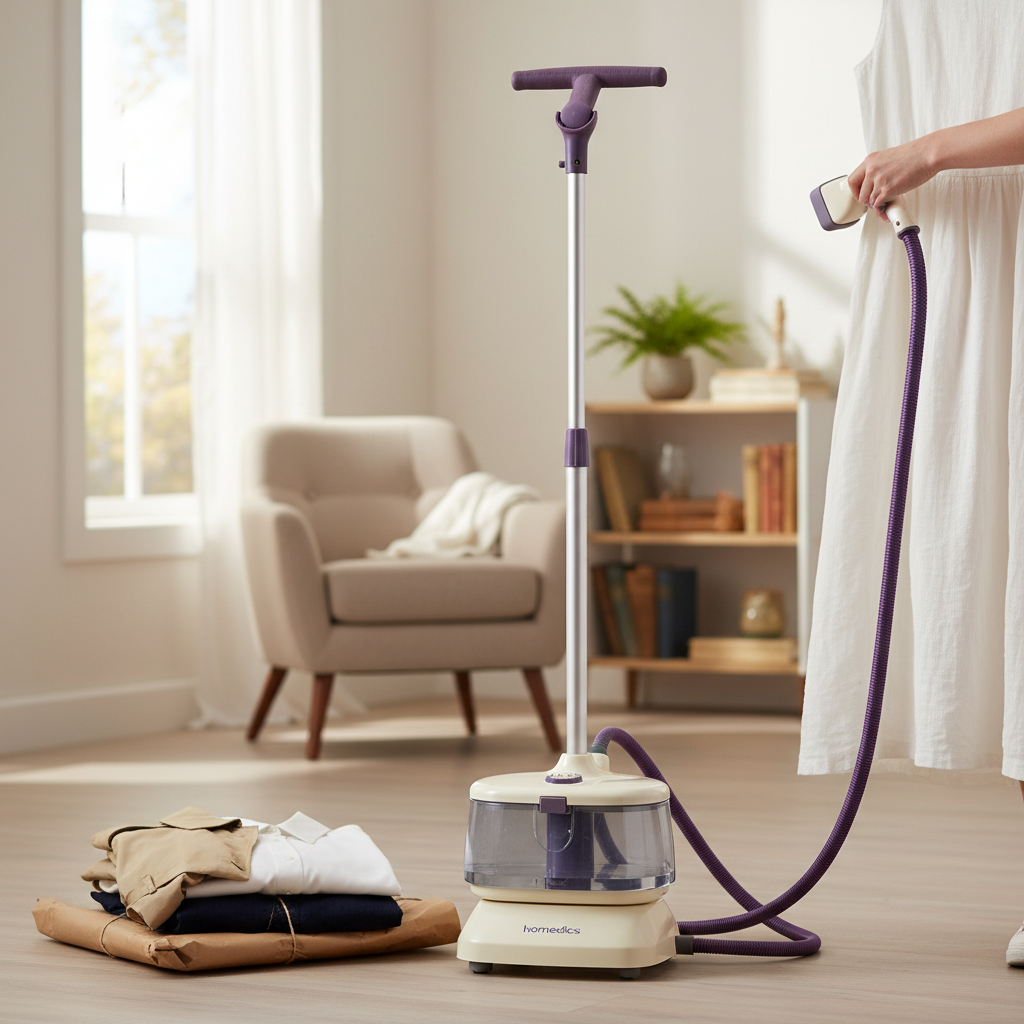
In a world constantly chasing the latest innovations, there’s a unique charm in revisiting products that once defined convenience. The Homedics Home Touch Garment Steamer, a familiar name from past appliance lineups, carved out a niche for itself as a dependable solution for wrinkle removal. If you’ve ever found yourself sifting through stacks of clothes, wishing for a quicker alternative to the traditional iron, then a garment steamer like the Home Touch was designed with you in mind. This review delves into the enduring qualities and considerations of this vintage workhorse, offering insights into its performance, features, and whether it still holds its own in today’s landscape.
Understanding the Homedics Home Touch Garment Steamer (A Look Back)
The Homedics Home Touch Garment Steamer emerged as a popular household appliance aimed at simplifying garment care. Designed to offer a quick and effective alternative to ironing, its primary function was to refresh fabrics, eliminate odors, and smooth out wrinkles using the power of steam. At the time of its release, models like the PS-200, PS-250, and PS-251 were often positioned as “commercial grade” for home use, providing a blend of robust performance and user-friendly features. They represented an accessible entry point for consumers seeking the benefits of steam without the hassle of an ironing board.
Key Features and Design of the Homedics Home Touch
Many Homedics Home Touch models shared a common design philosophy, prioritizing ease of use and practicality. Key features included a generous, removable water tank that allowed for substantial continuous steaming time—often advertised around 40 minutes for the PS-200. These steamers typically boasted a collapsible garment pole with a hanger, making it easy to steam clothes directly without needing additional hanging space, and rolling casters for convenient portability around the home.
The steam delivery system usually featured a flexible, heat-resistant hose, often around 5 feet long, terminating in a flat steam nozzle. Some iterations, like the PS-200, incorporated a “SafeTouch” hose, designed for user comfort. With a 1500-watt power output, many Home Touch steamers were capable of quick heating, typically reaching operating temperature in under a minute. Safety was also a consideration, with features like a low water auto shut-off mechanism preventing the unit from running dry. A drain plug at the base of the hose allowed for easy emptying of residual water, a crucial detail for proper maintenance.
Performance Across Fabrics: What to Expect from a Vintage Steamer
When it came to performance, the Homedics Home Touch Garment Steamer generally received positive feedback for its ability to tackle everyday wrinkles. Users found it particularly effective on lightweight fabrics such as knits, t-shirts, and dress shirts, quickly refreshing them and smoothing out creases. Its continuous, consistent steam output made it a reliable tool for daily garment care, often surpassing the convenience of an iron for quick touch-ups.
However, the steamer’s capabilities had their limits, particularly with heavier garments and very stubborn wrinkles. While it could eventually make a difference on tougher fabrics, it often required more time and effort than a traditional iron. Some users noted that the garment hanger, while convenient, could struggle with the weight of heavier items, potentially leading to instability. Overall, for its intended purpose of convenient, everyday wrinkle removal, it delivered commendable performance.
Durability and Common Concerns Over Time
Over the years, user experiences with the Homedics Home Touch Garment Steamer have highlighted both its strengths and some recurring issues. The general build quality was often praised, with many units providing years of service. However, some users reported issues with the heating element failing or the unit simply not turning on after a period of use. These instances often pointed to the importance of proper maintenance and adherence to operating instructions.
Another common point of feedback revolved around the necessity of using distilled water. Failure to do so could lead to mineral buildup, potentially clogging the steam holes and affecting performance over time. Some units also featured a reset button, which occasionally needed to be checked if the steamer unexpectedly stopped working, sometimes after appearing to overheat, activating a safety feature. The plastic drain plug at the base, while convenient, was identified by some as a potential point of wear if not handled carefully.
“The Homedics Home Touch Steamer, while not perfect, offered a lot of value and performance for its price point, especially for an entry-level steamer.” – Garment Care Reviewer, Vintage Appliance Enthusiast
Is a Vintage Homedics Home Touch Still a Worthwhile Purchase?
For those considering acquiring a vintage Homedics Home Touch Garment Steamer today, perhaps from a secondary market, the decision largely depends on your specific needs and expectations. If you are looking for an inexpensive, reliable steamer primarily for light to medium-weight fabrics, quick touch-ups, or refreshing clothes, a well-maintained Home Touch can still be a valuable asset. It offers the core benefits of a standing garment steamer without the complexities of modern, often pricier, units.
However, it’s crucial to acknowledge its limitations. It won’t replace a heavy-duty iron for crisp creases or the most stubborn wrinkles on thick materials. When buying a vintage unit, always inquire about its usage history and maintenance, particularly regarding the use of distilled water. Factors like the condition of the hose, the integrity of the water tank, and the functionality of the heating element are paramount. For someone seeking an economical, no-frills steamer with a proven track record for general use, a vintage Homedics Home Touch could still be a smart choice.
Maximizing Life: Usage and Care for Your Homedics Home Touch Steamer
Proper usage and consistent maintenance are key to prolonging the life of any garment steamer, especially a vintage model.
Safe and Effective Usage Guide
|
Our Picks for the Best Standing garment steamer in 2026
As an Amazon Associate I earn from qualifying purchases.
|
||
| Num | Product | Action |
|---|---|---|
| 1 | Garment Steamer for Clothes Standing, 1500W Efficient Clothes Steamer Standing with Wheels, Professional 58OZ Water Tank for Continuous Steaming, Fast Heating Wrinkle Remover |

|
| 2 | Jiffy Steamer J-2000 Jiffy Garment Steamer with Plastic Steam Head, 120 Volt, Beige |
|
| 3 | SALAV Heavy Duty Commercial Full-Size Garment Steamer with Foot Pedals and Extra Large 3L (101.5 oz) Water Tank, 1800 watts, 90+min of Continuous Steam (White) |
|
| 4 | SALAV® Heavy Duty Smart Auto Shut-off Commercial Full-Size Garment Steamer, Beeping Alert when Water Runs out, Foot Pedal Control, XL 3L (101.5 oz) Tank, 1800 watts, 90+min of Continuous Steam, Navy |
|
| 5 | SALAV Heavy Duty Commercial Full-Size Garment Steamer with Foot Pedals and Extra Large 3L (101.5 oz) Water Tank, 1800 watts of Poweful Steam (Navy) |
|
| 6 | SALAV GS18-DJ Standing Garment Steamer with Roll Wheels for Easy Movement, 1.8L Water Tank for 1 Hour Continuous Steaming, Adjustable Pole for Storage, Includes Descaler Packet, 1500 watts |
|
| 7 | Pure Enrichment PureSteam XL Standing Fabric Steamer - Professional Wrinkle Remover Heats in 45 Seconds; 1/2-Gallon Tank for 1 Hour of Steaming; Easy-Roll Wheels, Garment Hanger, & Fabric Brush |
|
| 8 | True & Tidy Heavy Duty Commercial Full Size Standing Garment Steamer for Clothes with Extra Large 3L (101 oz) Water Tank for 90+ mins of Steam Time, 1800 watts of Powerful Steam, 3 Settings, Gray |
|
| 9 | Upright Steamer for Clothes 1350W Turbo Boiler Standing Garment Steamer 1.6L Water Tank 1h Continuous Steam Flat&Hanging Ironing Double Retractable Rod 10 Modes 30s Fast Preheat for all Fabrics |
|
| 10 | SALAV GS18 Full-Size Clothes Steamer - 1500W Power, 1.8L Water Tank, 60-Min Garment Steam, Iron Clothing, Adjustable Pole & Wheels for Easy Storage, Professional Standing Steamer for Clothes, White |
|
Always ensure the steamer is placed on a stable, level surface. Fill the water tank with distilled water to prevent mineral buildup, which can severely impact performance and longevity. Allow the steamer to fully heat up before beginning to steam your garments. When steaming, hold the nozzle a few inches from the fabric and move it in a downward motion, gently pulling the fabric taut with your free hand. Remember to be cautious, as the steam is very hot.
Regular Cleaning and Maintenance
To keep your Homedics Home Touch Garment Steamer performing optimally, regular cleaning is essential. After each use, it’s recommended to empty all remaining water from the tank and the unit itself before storing. This prevents stagnant water and mineral deposits. Periodically, the water tank and internal components may benefit from a descaling solution if hard water has been used, though distilled water is always the best preventative measure. Always ensure the unit is unplugged and cool before cleaning.
Common Issues and Troubleshooting
If your steamer isn’t producing steam or seems to be struggling, check a few common culprits. First, confirm there’s enough water in the tank. If the unit doesn’t turn on or stops mid-use, locate and press the reset button, often found on the base, as it may have triggered the auto shut-off safety feature. Ensure the power cord is securely plugged in. For persistent issues like clogged steam holes, a descaling process might be necessary.
Conclusion
The Homedics Home Touch Garment Steamer, in its various models like the PS-200 and PS-250, stands as a testament to practical design and effective performance for everyday needs. While it might not boast the advanced features of modern steamers, its core ability to quickly and efficiently smooth wrinkles from light to medium-weight fabrics made it a household staple. For those who appreciate functional simplicity and understand the nuances of maintaining vintage appliances, a Homedics Home Touch can still offer remarkable value. It serves as a reminder that sometimes, the best tools are those that reliably perform their intended task without unnecessary frills. Have you ever relied on a vintage appliance that surprised you with its enduring utility?
Frequently Asked Questions
What type of water should I use in my Homedics Home Touch Garment Steamer?
It is highly recommended to use distilled water in your Homedics Home Touch Garment Steamer. This prevents mineral buildup from tap water, which can clog the steam holes and reduce the efficiency and lifespan of the appliance over time.
How long does it take for a Homedics Home Touch Steamer to heat up?
Many Homedics Home Touch models, such as the PS-200, were designed for quick operation, often heating up and ready to produce steam in as little as 45 seconds. This quick heat-up time was a significant advantage for fast garment refreshing.
Can the Homedics Home Touch Steamer remove wrinkles from all types of fabrics?
The Homedics Home Touch Garment Steamer is very effective at removing wrinkles from lightweight and medium-weight fabrics like cotton blends, knits, and silk. However, it may require more effort or multiple passes, or struggle more, with heavy fabrics such as denim, thick wool, or heavily creased linens compared to a traditional iron.