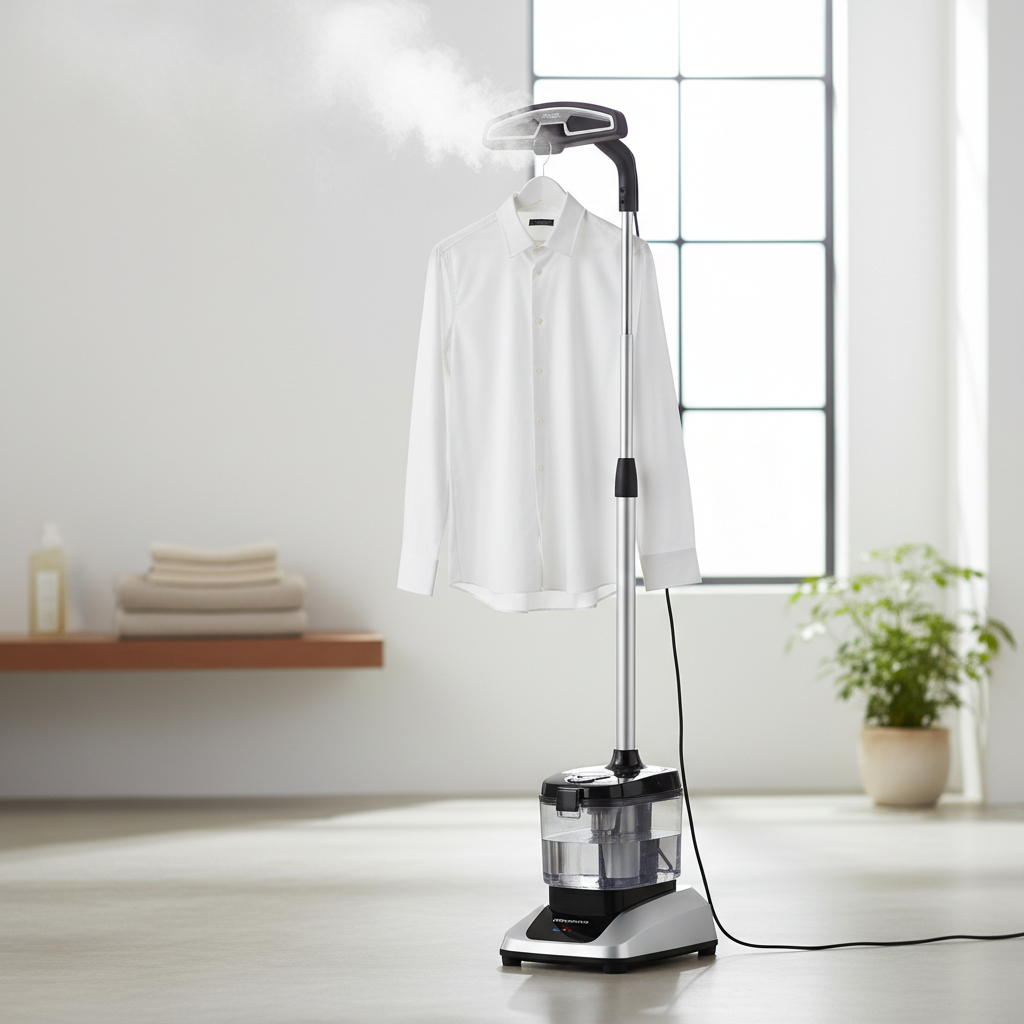
Upright garment steamers have revolutionized the way we refresh and de-wrinkle our clothes, offering a convenient, gentle alternative to traditional ironing. For many, this sleek appliance is a daily staple, effortlessly bringing garments back to life. However, even with the best intentions, users often fall into common traps that can hinder performance, damage fabrics, or even shorten the lifespan of their steamer. Understanding these pitfalls is the first step toward achieving perfectly smooth, revitalized clothing every time.
What is a Standing Garment Steamer?
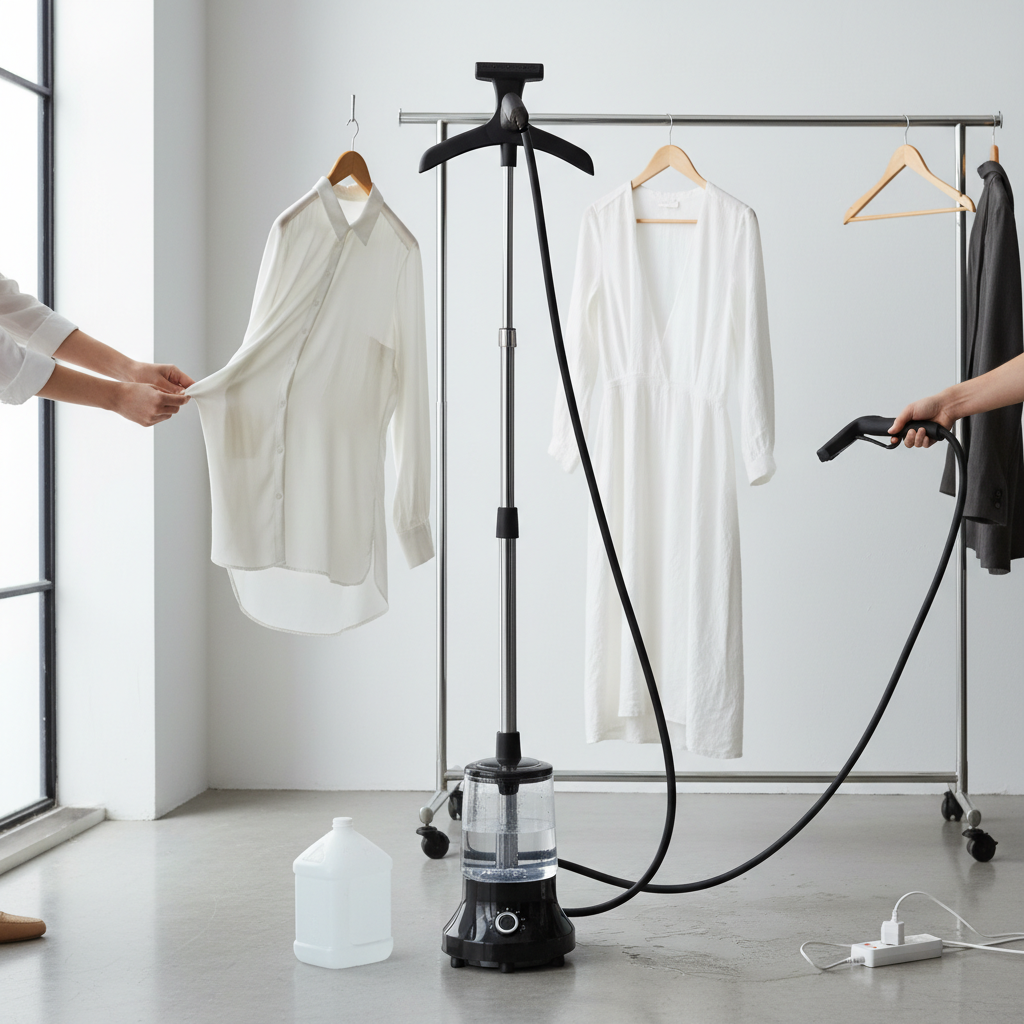
A standing garment steamer, also known as an upright steamer, is an appliance designed to remove wrinkles from fabrics using hot steam. It typically consists of a water tank, a heating element, a hose, and a steam nozzle or head, often accompanied by a telescopic pole and a hanger. Unlike an iron, which uses direct heat and pressure, a steamer works by relaxing the fabric fibers with steam, allowing wrinkles to fall out naturally without direct contact or ironing boards. This makes it ideal for delicate materials, intricate designs, and garments that are difficult to iron, such as suits, dresses, and drapes. While highly efficient and fabric-friendly, its true potential is only unlocked when common operational mistakes are diligently avoided.
Common Mistakes When Using Your Standing Garment Steamer
Even experienced users can inadvertently make errors that compromise their steaming results or the longevity of their appliance. Recognizing these common missteps is crucial for optimal garment care.
Improper Fabric Preparation and Handling
One of the most frequent errors stems from inadequate preparation and incorrect handling of garments.
- Not Shaking or Smoothing Clothes: Before steaming, many neglect to give their garments a good shake and smooth them out with their hands. This simple step helps to release loose wrinkles, allowing the steam to penetrate more effectively and work on deeper creases. Failing to do so means the steamer has to work harder, and results may be less satisfying.
- Steaming on Unstable Surfaces: Attempting to steam clothes on a bed, sofa, or a folded pile can lead to more wrinkles rather than fewer. An unstable or uneven base prevents the fabric from hanging properly, making it impossible for gravity to assist in straightening the fibers. Garments should always be hung on a sturdy hanger, ideally on a door hook or a dedicated steamer pole, ensuring the fabric remains taut and straight.
- Not Keeping Fabric Taut: For the steam to work its magic, the fabric needs to be slightly stretched. If you let the garment dangle loosely, the steam might not effectively reach all areas, or existing wrinkles might not fully release. Using your free hand to gently pull the bottom of the garment taut as you steam helps the fibers straighten out more efficiently.
- Steaming Incompatible Fabrics: While versatile, not all fabrics are suitable for steaming. Materials like leather, suede, and certain delicate silks or embellished garments can be damaged by direct steam, potentially warping, hardening, or staining. Always check the care label on your garment before steaming. Steaming is generally ideal for cotton, linen, silk, wool, and synthetics, but caution is advised for very delicate or structured items.
|
Our Picks for the Best Standing garment steamer in 2026
As an Amazon Associate I earn from qualifying purchases.
|
||
| Num | Product | Action |
|---|---|---|
| 1 | SALAV® Heavy Duty Smart Auto Shut-off Commercial Full-Size Garment Steamer, Beeping Alert when Water Runs out, Foot Pedal Control, XL 3L (101.5 oz) Tank, 1800 watts, 90+min of Continuous Steam, Navy |

|
| 2 | SALAV Heavy Duty Commercial Full-Size Garment Steamer with Foot Pedals and Extra Large 3L (101.5 oz) Water Tank, 1800 watts, 90+min of Continuous Steam (White) |
|
| 3 | SALAV GS18 Full-Size Clothes Steamer - 1500W Power, 1.8L Water Tank, 60-Min Garment Steam, Iron Clothing, Adjustable Pole & Wheels for Easy Storage, Professional Standing Steamer for Clothes, White |
|
| 4 | Upright Steamer for Clothes 1350W Turbo Boiler Standing Garment Steamer 1.6L Water Tank 1h Continuous Steam Flat&Hanging Ironing Double Retractable Rod 10 Modes 30s Fast Preheat for all Fabrics |
|
| 5 | True & Tidy Heavy Duty Commercial Full Size Standing Garment Steamer for Clothes with Extra Large 3L (101 oz) Water Tank for 90+ mins of Steam Time, 1800 watts of Powerful Steam, 3 Settings, Gray |
|
| 6 | Pure Enrichment PureSteam XL Standing Fabric Steamer - Professional Wrinkle Remover Heats in 45 Seconds; 1/2-Gallon Tank for 1 Hour of Steaming; Easy-Roll Wheels, Garment Hanger, & Fabric Brush |
|
| 7 | SALAV GS18-DJ Standing Garment Steamer with Roll Wheels for Easy Movement, 1.8L Water Tank for 1 Hour Continuous Steaming, Adjustable Pole for Storage, Includes Descaler Packet, 1500 watts |
|
| 8 | SALAV Heavy Duty Commercial Full-Size Garment Steamer with Foot Pedals and Extra Large 3L (101.5 oz) Water Tank, 1800 watts of Poweful Steam (Navy) |
|
| 9 | Garment Steamer for Clothes Standing, 1500W Efficient Clothes Steamer Standing with Wheels, Professional 58OZ Water Tank for Continuous Steaming, Fast Heating Wrinkle Remover |
|
| 10 | Jiffy Steamer J-2000 Jiffy Garment Steamer with Plastic Steam Head, 120 Volt, Beige |
|
Incorrect Steaming Technique
The way you wield your steamer head significantly impacts your results. Improper technique can lead to wet spots, persistent wrinkles, or a longer steaming process.
- Holding the Steamer Too Far Away: A common misconception is to “spray” steam from a distance. For effective wrinkle removal, the steamer head needs to be close to, or lightly touching, the fabric. This proximity allows the heat and moisture to deeply penetrate the fibers, relaxing them and making wrinkles disappear. Keeping it too far away drastically reduces effectiveness and wastes time.
- Moving Too Fast or Pressing Too Hard: Rushing through the steaming process by moving the steamer head too quickly prevents the steam from adequately penetrating the fabric and loosening wrinkles. Slow, continuous, deliberate strokes are key. Similarly, pressing too hard, especially on delicate fabrics, can be counterproductive and even cause damage. Let the steam do the work; gentle, consistent movement is far more effective.
- Steaming Side-to-Side Instead of Top-to-Bottom: Steam works with gravity. Moving the steamer in a horizontal or zig-zag motion can trap moisture and be less effective. Always steam in long, downward strokes, starting from the top of the garment and moving slowly to the bottom. This allows the fabric to relax naturally and gravity to pull the creases down for an even finish.
- Only Steaming from the Outside: For particularly stubborn creases or heavy fabrics, steaming only the exterior may not be enough. Working on the inside of the garment can provide additional heat and moisture, helping to release those deep-set wrinkles. This technique also protects delicate embellishments or prints on the outside.
- Using the Wrong Steam Setting: Many advanced standing garment steamers come with multiple steam settings tailored for different fabric types. Using a high setting on delicate silk or cashmere can cause damage, while a low setting on heavy cotton or linen may be ineffective. Always consult your steamer’s manual and the garment’s care label to select the appropriate steam output for optimal and safe results.
Water-Related Errors
The quality and management of water used in your steamer are paramount for its performance and longevity.
- Using the Wrong Type of Water: Tap water, especially in hard water areas, contains minerals that can build up inside your steamer, leading to limescale deposits. This can clog nozzles, reduce steam output, and ultimately damage the appliance. While some manufacturers design models compatible with tap water, using distilled or demineralized water is generally recommended to prevent mineral buildup and extend the steamer’s lifespan. Always check your specific model’s recommendations.
- Starting to Steam Too Soon: Impatience can lead to frustrating results. Steaming immediately after turning on the appliance, before it has fully heated up and is producing a consistent stream of dry steam, can result in water spitting or wet spots on your clothes. Allow the steamer to preheat for at least 30 seconds (or as per manufacturer instructions) until a steady, uniform jet of steam is released, clearing any residual water in the nozzle.
Neglecting Post-Steaming and Maintenance
The job isn’t done once the wrinkles are gone. Proper post-steaming care and appliance maintenance are vital.
- Not Letting Clothes Cool Down: After steaming, garments are warm and slightly damp. Folding or wearing them immediately can cause new wrinkles to form as the fabric cools and sets in its new position. Always allow steamed clothes to cool and dry completely on a hanger before folding, storing, or wearing them.
- Steaming Dirty Clothes: A garment steamer is excellent for refreshing clothes and removing wrinkles, but it’s not a substitute for washing. Steaming dirty or stained items can set odors and stains deeper into the fabric, making them harder to remove later. Ensure clothes are clean before steaming.
- Not Using Accessories: Many upright steamers come with useful attachments like fabric brushes, crease attachments, or steaming mitts. Neglecting to use these accessories is a missed opportunity to optimize your results. Brushes can help lift fibers on heavier fabrics, while crease attachments can create crisp lines, and mitts protect your hands while pulling fabric taut. Familiarize yourself with your steamer’s accessories and how to use them effectively.
- Neglecting Appliance Maintenance: Like any appliance, a standing garment steamer requires regular care to function optimally. A common mistake is ignoring maintenance until performance noticeably declines. Regular tasks include emptying the water tank after each use, descaling the unit periodically (frequency depends on water hardness and usage), and cleaning the steam nozzle. This preventive maintenance ensures consistent performance and significantly extends the life of your steamer.
How to Avoid These Pitfalls: Best Practices for Effective Steaming
To truly master your upright steamer and enjoy wrinkle-free clothes with minimal effort, integrate these best practices into your routine.
Preparing Your Garments for Success
Start with smart preparation. Always hang your garment on a sturdy hanger, ideally on the steamer’s built-in pole or a stable hook. Give it a good shake and smooth out obvious creases by hand. Check the care label meticulously to confirm the fabric is suitable for steaming. For delicate items, you might even consider steaming from the inside to protect embellishments.
Mastering Your Steaming Technique
Approach steaming with patience and precision. Hold the steamer head close to, or directly against, the fabric. Use slow, consistent downward strokes, gently pulling the fabric taut with your free hand. Allow the steam ample time to penetrate and relax the fibers. If your steamer has multiple settings, select the one appropriate for your fabric type. Remember, a steady hand and proper engagement are more effective than brute force or speed.
Water Management and Steamer Care
Prioritize the right water. For most steamers, distilled or demineralized water is the best choice to prevent mineral buildup. Always preheat your steamer until it produces a steady stream of dry steam before touching it to your clothes. After each use, empty the water tank completely. Follow your manufacturer’s instructions for regular descaling and nozzle cleaning to maintain optimal performance and prolong your appliance’s life.
Expert Tips for Impeccable Results
“Achieving perfectly steamed garments is less about having the fanciest steamer and more about mastering the fundamentals. Pay attention to the fabric, use the right water, and always give your clothes—and your steamer—the care they deserve.” – Admin, reviewtym.com, Steamer Technician
For those tricky areas like collars and cuffs, utilize accessories such as a fabric brush or a pressing pad. These can provide the necessary tension and surface for a crisper finish. For particularly deep wrinkles, a second, slow pass may be more effective than lingering too long in one spot. And critically, always allow your garments to cool down and fully dry on a hanger after steaming. This final step is essential to lock in that smooth, wrinkle-free look.
Conclusion
Upright garment steamers are invaluable tools for maintaining a polished wardrobe, but their effectiveness hinges on correct usage and consistent care. By understanding and avoiding these common mistakes—from improper fabric preparation and flawed steaming techniques to neglecting water quality and essential maintenance—you can significantly enhance your results and extend the lifespan of your appliance. Embrace these best practices, and you’ll find yourself effortlessly achieving perfectly smooth, refreshed garments every time. What improvements have you noticed since refining your steaming routine?
Câu Hỏi Thường Gặp
Can I use tap water in any standing garment steamer?
It’s generally recommended to use distilled or demineralized water to prevent mineral buildup and extend your steamer’s life. Always check your specific steamer’s manual, as some models are designed to handle tap water or recommend a specific water mix.
Why are my clothes still wrinkled after steaming?
Common reasons include holding the steamer too far from the fabric, moving too quickly, not keeping the fabric taut, or insufficient preheating. Ensure the steam head is close to the garment, use slow, deliberate strokes, pull the fabric gently, and let the steamer fully heat up for consistent, powerful steam.
How often should I descale my upright steamer?
The frequency of descaling depends on your water hardness and how often you use the steamer. If you live in an area with hard water and steam frequently, you might need to descale monthly. For softer water or less frequent use, quarterly or bi-annually might suffice. Consult your steamer’s manual for specific descaling instructions.
Can I steam delicate fabrics like silk or velvet?
Yes, many delicate fabrics can be safely steamed, often with better results than ironing. However, always check the care label first. For very delicate materials, you might want to use a lower steam setting or steam from a slightly greater distance, or even steam from the inside of the garment to protect the fabric’s finish.
Why is my steamer spitting water onto my clothes?
Water spitting is usually a sign that the steamer hasn’t fully heated up, or there’s mineral buildup in the nozzle. Allow the steamer to preheat completely until it produces consistent steam. Regular descaling and cleaning of the nozzle can prevent this issue by clearing mineral deposits.